


3/4-Length vs. Full-Length Orthotics: Which Is Better?
Quick answer: neither length is universally better — your shoes decide. Choose a 3/4-length orthotic when you want heel and arch support that moves between most of your footwear. Choose full-length when your shoe has a removable factory insole and you need forefoot cushioning. At Natural Foot Orthotics, we build 3/4-length because it's the version most people will actually wear every day.
What Is a 3/4-Length Orthotic?
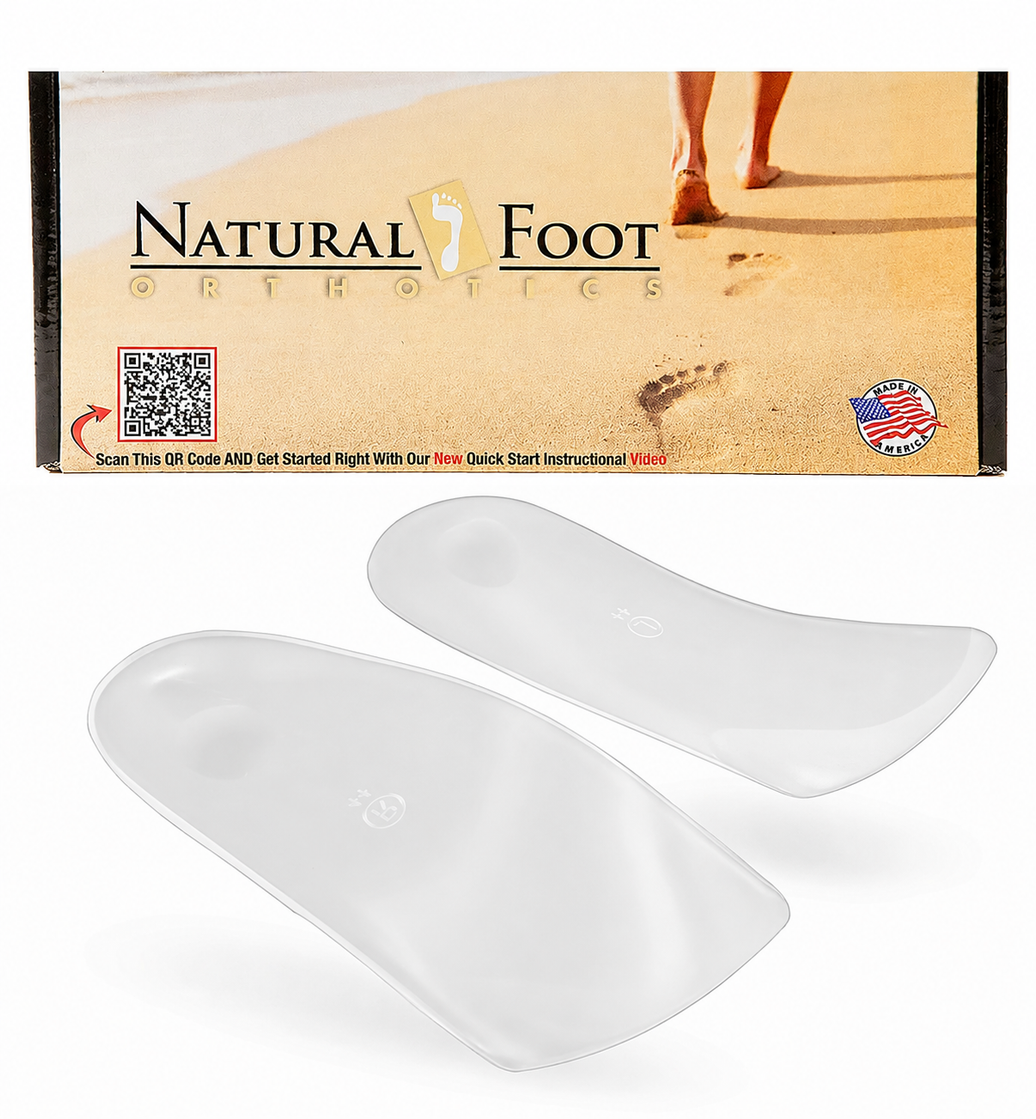
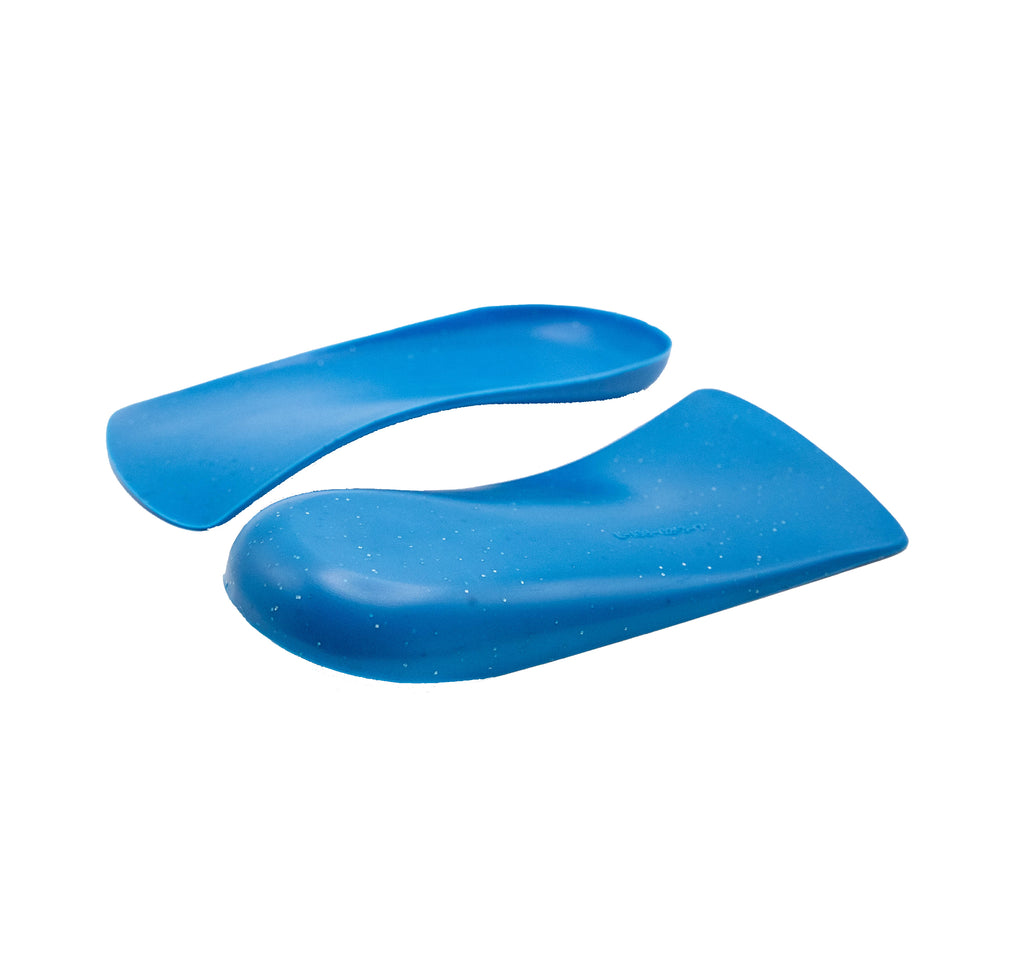
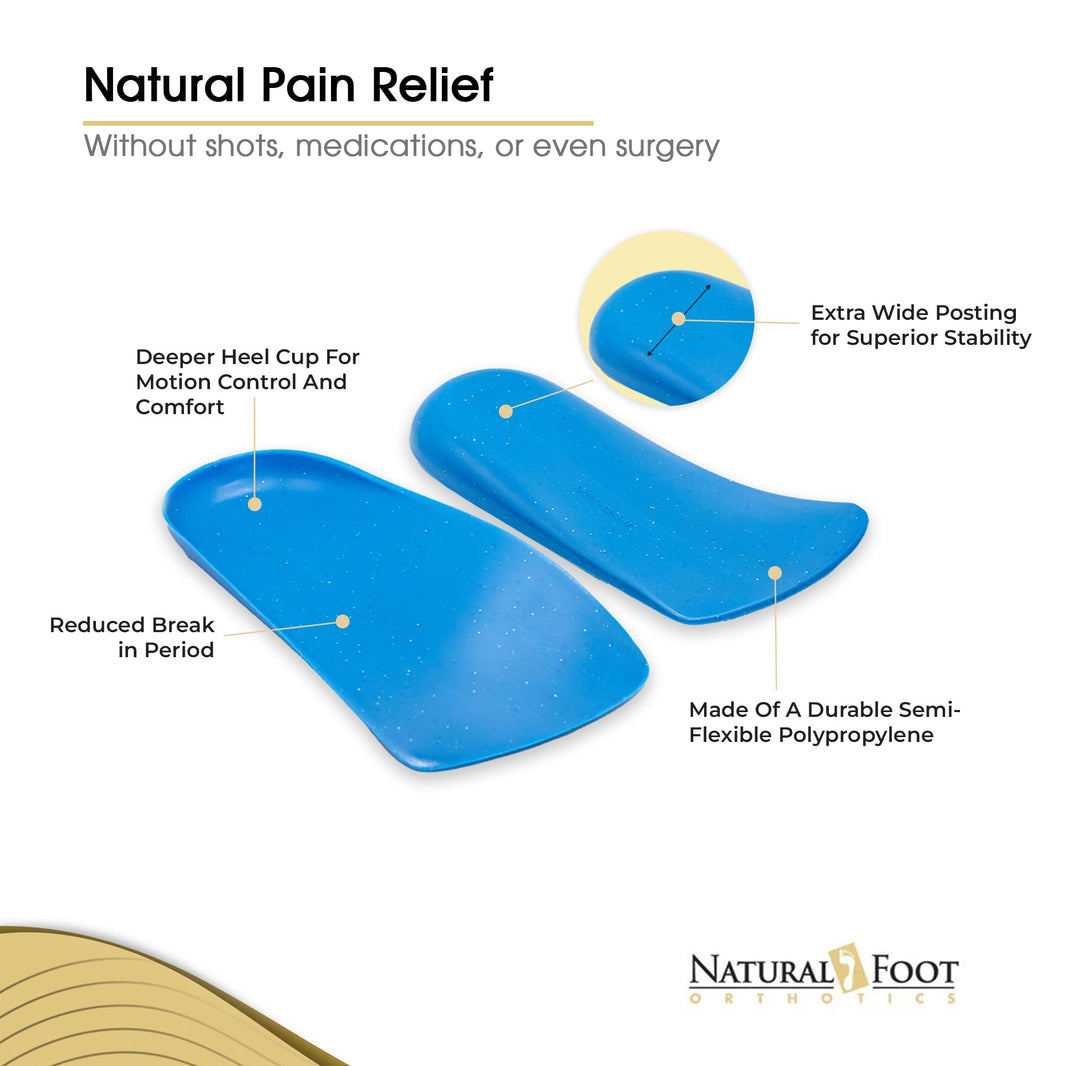
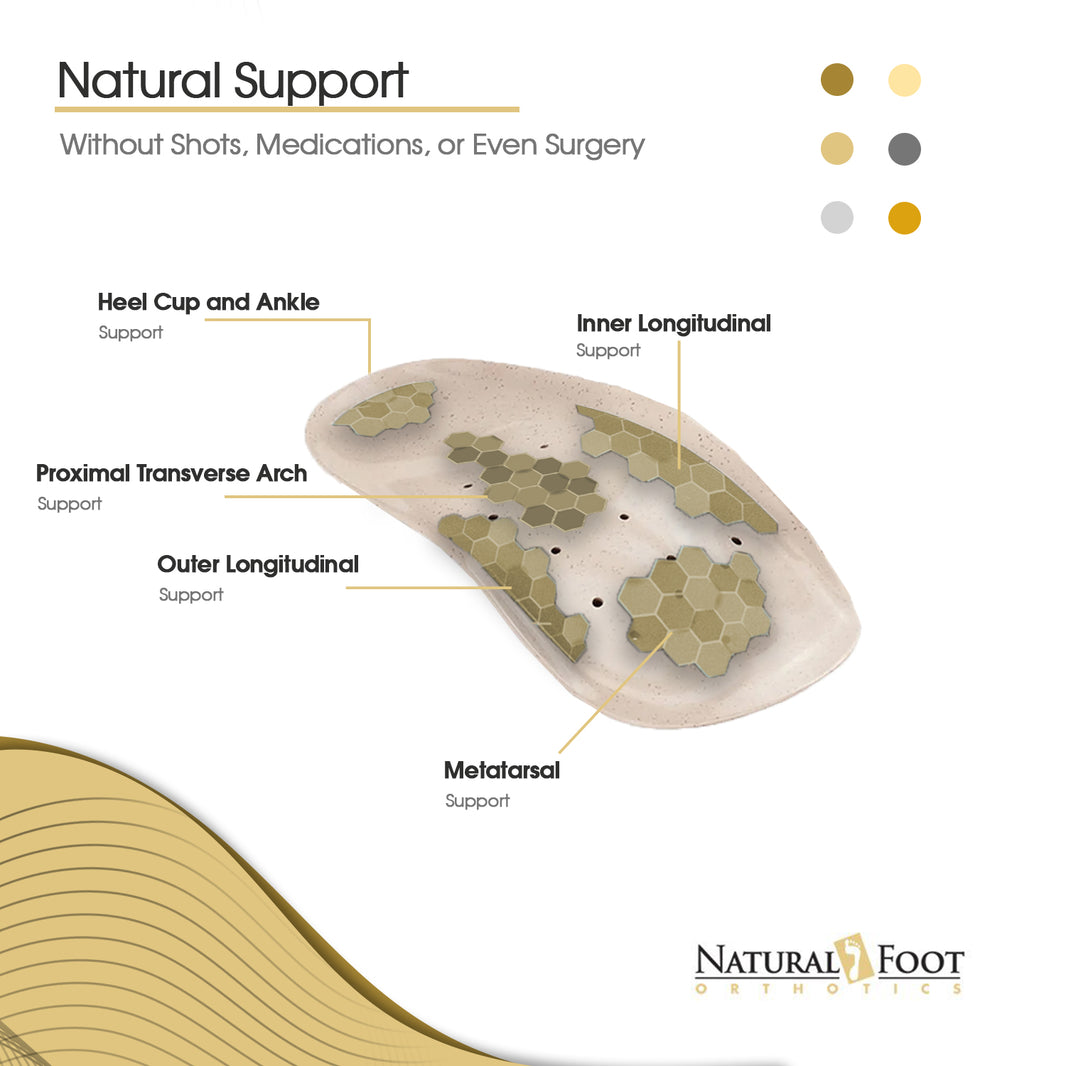
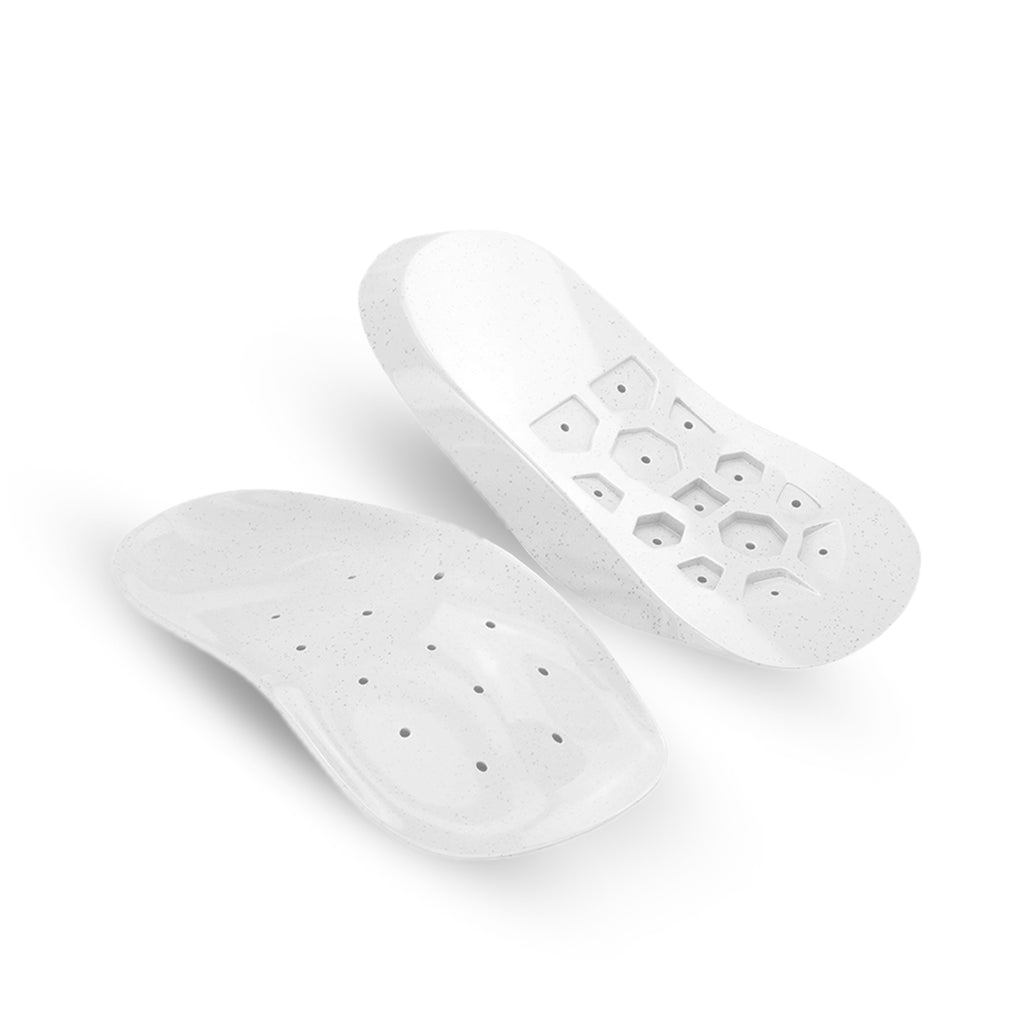
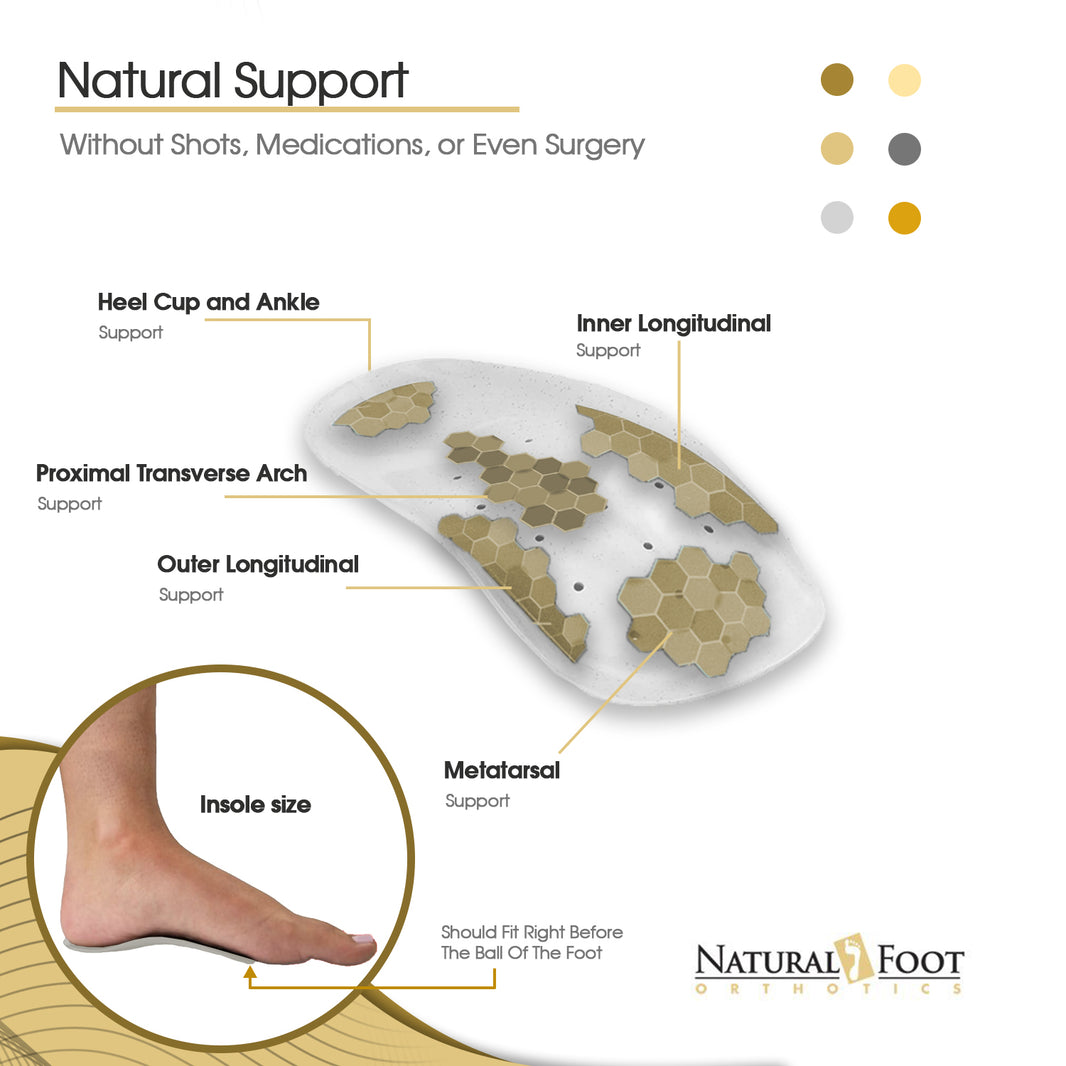
A 3/4-length orthotic supports the heel, arch, and midfoot, ending just before the ball of the foot. It doesn't extend beneath the toes, so it preserves the shoe's original toe box and leaves the forefoot free to flex.
What Are the Advantages of 3/4-Length Orthotics?
- Fits more shoes. One pair moves between athletic shoes, dress shoes, work boots, casual shoes, golf shoes, hiking boots, and many slip-ons.
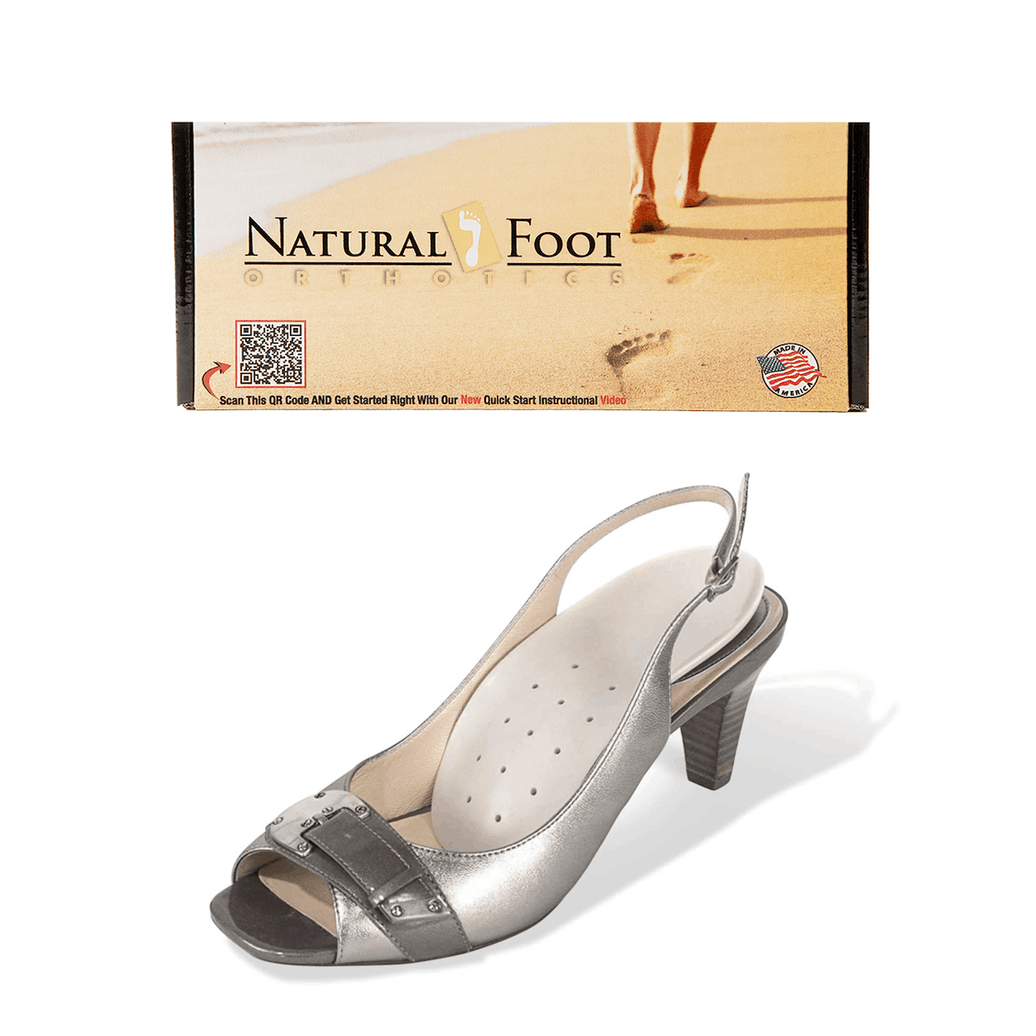
- Works in shoes with glued-in insoles. Full-length inserts usually require removing the factory liner. When that liner won't lift out — common in loafers, dress shoes, and low-volume styles — a 3/4-length orthotic is the practical option.
- Less toe crowding. Because the forefoot stays untouched, there's less risk of a tight fit or cramped toes, especially in narrow or pointed toe boxes.
- Better airflow. Leaving the front of the shoe uncovered helps feet stay cooler.
- Easy to transfer. The compact shape moves from pair to pair in seconds.
When Is a Full-Length Orthotic Better?
Full-length inserts make more sense when:
- Your shoe has a removable factory insole and enough interior depth.
- You need cushioning under the ball of the foot for high-impact activity.
- The footwear was engineered specifically for a full-length insert.
- You spend long hours on hard surfaces and want cushioning across the whole foot.
If forefoot pain is your main complaint, a device that stops before the metatarsal heads may leave that area unsupported.
Why Does Natural Foot Orthotics Use a 3/4-Length Design?
Our podiatrist-designed 3/4-length orthotics:
- Support all four arches of the foot
- Promote better alignment from the ground up
- Fit most footwear without modification
- Allow natural toe movement
- Stay lightweight and easy to move between shoes
How Do You Choose Between Them?
Look at the shoe before you look at the insert:
- Removable liner and roomy fit? Full-length is workable.
- Glued-in liner, low volume, or narrow toe box? Go 3/4-length.
- Multiple pairs, one budget? 3/4-length transfers; full-length usually doesn't.
New to arch support? Break in gradually — start with about an hour a day and build from there. Learn here
The Bottom Line
The best orthotic is the one you'll wear consistently. For most people, a quality 3/4-length orthotic delivers the strongest combination of support, comfort, versatility, and convenience — proper foot support in every pair of shoes you own.
A note on cushions: Natural Foot Orthotics' Premium Cushions are designed to layer over our 3/4-length orthotics for the complete experience. Made from 100% natural sponge rubber with a nylon covering, they absorb step shock, wick away perspiration, and keep the orthotic seated securely in the shoe. They ease the break-in period for new users, and for anyone accustomed to full-length insoles, they restore that familiar edge-to-edge feel while keeping the versatility of a 3/4-length design. Trimmable and available in six sizes to fit the full range of men's and women's shoes.
---------------------------------------------------
Sources
American Academy of Orthopaedic Surgeons — guidance on selecting footwear with removable insoles when using orthotic devices.
American Podiatric Medical Association. Orthotics. apma.org
Richards J, Burston J, Selfe J. The effects of three-quarter and full-length foot orthoses on patellofemoral pain sufferers when walking and descending stairs. Journal of Foot and Ankle Research. 2014;7(Suppl 1):A70. PMC
Chapman GJ, et al. Foot orthoses in the treatment of symptomatic midfoot osteoarthritis using clinical and biomechanical outcomes: a randomised feasibility study. Clinical Rheumatology. 2016. PMC
Menz HB, et al. Effectiveness of footwear and foot orthoses in reducing medial metatarsophalangeal joint pressure in women with hallux valgus. Gait & Posture. 2024. ScienceDirect
Redmond AC, Landorf KB, Keenan AM. Contoured, prefabricated foot orthoses demonstrate comparable mechanical properties to contoured, customised foot orthoses: a plantar pressure study. Journal of Foot and Ankle Research. 2009. PMC
Leave a comment