Let's Talk Plantar Fasciitis
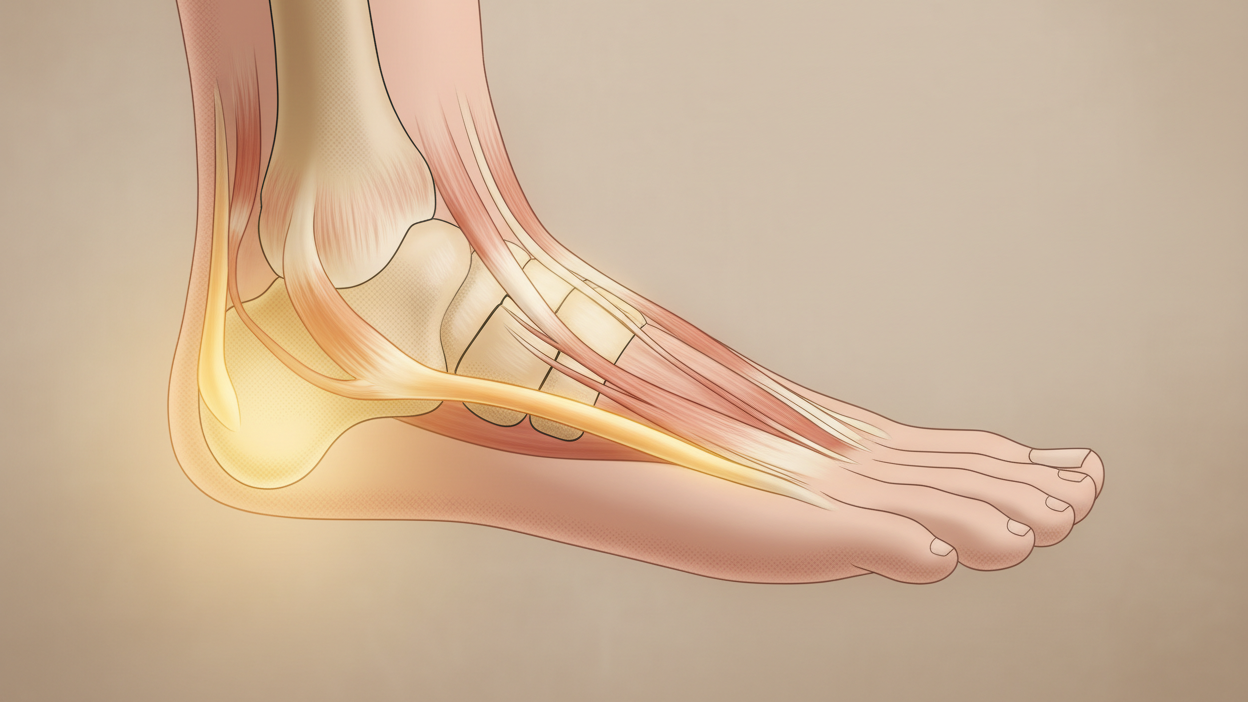
Plantar fasciitis is one of the most common causes of heel pain. It happens when the plantar fascia, the thick band of tissue that runs along the bottom of the foot from the heel to the toes, becomes irritated, inflamed, or develops small tears from repeated stress. Many people notice a sharp pain near the heel when taking their first steps in the morning or after sitting for a long time, and the discomfort may improve slightly with movement before returning later in the day. Read more here
A person can develop plantar fasciitis when too much strain is placed on the foot over time. Common causes include standing for long hours, walking or running on hard surfaces, sudden increases in activity, wearing unsupportive shoes, excess body weight, tight calf muscles, or foot mechanics such as flat feet or very high arches. In short, when the foot is repeatedly overloaded without proper support or recovery, the plantar fascia can become stressed and painful.
Although plantar fasciitis is often associated with older adults, it can affect people of many ages—including working adults and younger adults with active lifestyles. Runners, retail workers, teachers, warehouse employees, gym-goers, and anyone who spends long hours on their feet may develop symptoms when repetitive stress exceeds the foot’s ability to recover. Age can be a factor, but daily habits, activity level, footwear, and biomechanics often play an equally important role.
Orthotics help by supporting the arches, improving alignment, distributing pressure more evenly, and reducing strain on the plantar fascia with every step. They can also provide cushioning and stability, which may help decrease heel pain and improve comfort during daily movement. Over time, proper support can help many people stay active while allowing the irritated tissue to recover. Natural Foot Orthotics are especially helpful because their structured, semi-rigid design supports all four arches of the foot and promotes better alignment from the ground up.
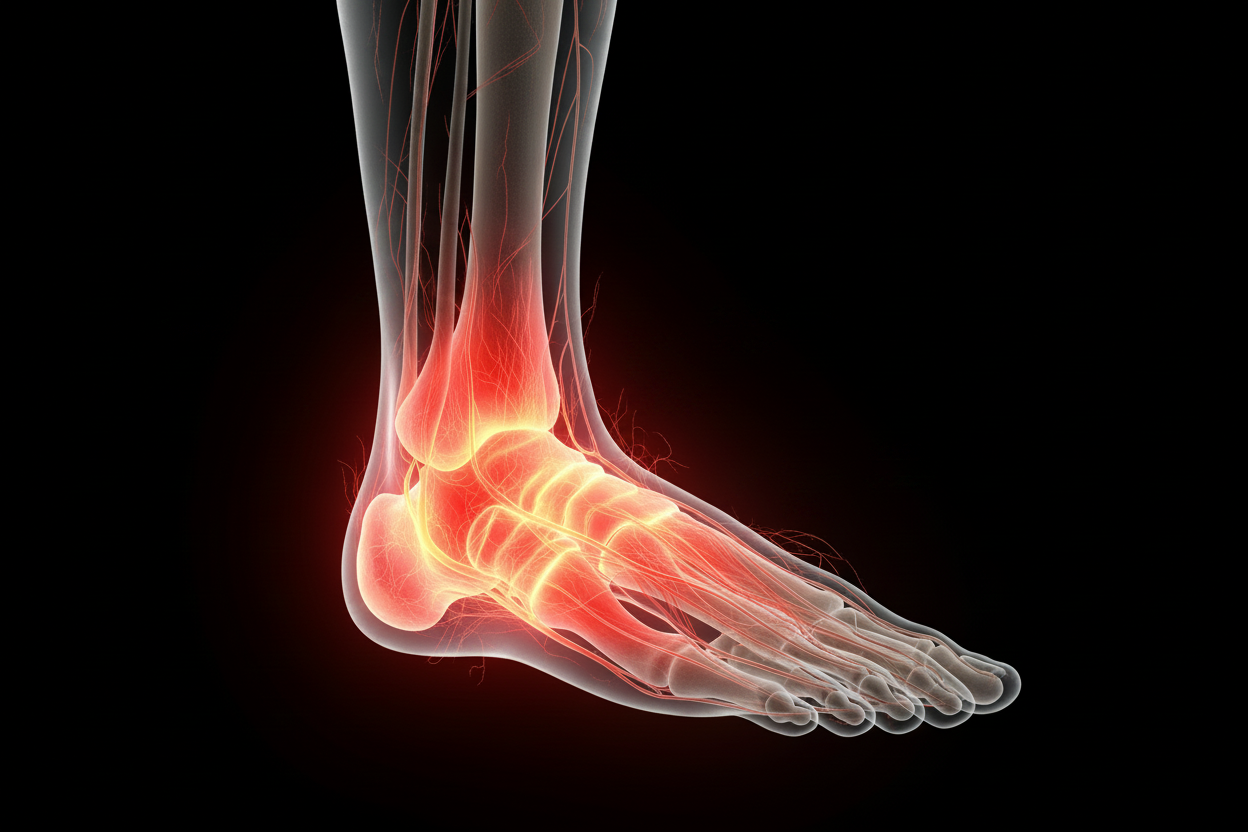
Foot Pain & Its Different Aches
Foot pain can come from many different conditions, and each type of discomfort may have its own causes, symptoms, and treatment approach. Below, we’ll go over some of the most common foot problems people experience and how proper support can help improve comfort and mobility.
Heel spurs are bony growths that can develop on the underside of the heel bone, often after long-term strain where the plantar fascia attaches to the heel. Many people with heel spurs have no symptoms, but others may experience heel pain, inflammation, or discomfort when walking and standing for long periods. Heel spurs are commonly associated with plantar fasciitis, poor foot mechanics, repeated stress, and inadequate footwear support. Reliable medical sources note that the spur itself is not always the direct cause of pain, but the surrounding tissue irritation often is
A neuroma, most commonly Morton’s neuroma, is a thickening of tissue around a nerve that usually develops between the third and fourth toes. It can feel like burning pain, tingling, numbness, or the sensation of standing on a pebble inside the shoe. Neuromas are often linked to repetitive pressure, narrow shoes, high heels, and foot instability that compress the forefoot area. Reducing pressure and improving foot mechanics are common parts of conservative treatment.
Bunions are a bony bump that forms at the base of the big toe when the joint gradually shifts out of alignment. Over time, the big toe may angle toward the second toe, leading to pain, swelling, redness, and difficulty fitting into shoes. Genetics, foot structure, arthritis, and tight footwear can all contribute. Supportive footwear and orthotic devices are often recommended to help reduce stress on the joint and improve comfort.
Hammer toes occur when one or more of the smaller toes bend abnormally at the middle joint, creating a curled or raised appearance. Early stages may remain flexible, but over time the toe can become rigid and painful. Symptoms may include corns, calluses, irritation in shoes, and discomfort while walking. Muscle imbalance, poor footwear fit, trauma, and certain foot structures can increase the risk. Conservative care often includes shoe changes, padding, and supportive devices.
Natural Foot Orthotics help with these common foot pains by supporting the arches, improving alignment, redistributing pressure, and helping stabilize the foot during movement.
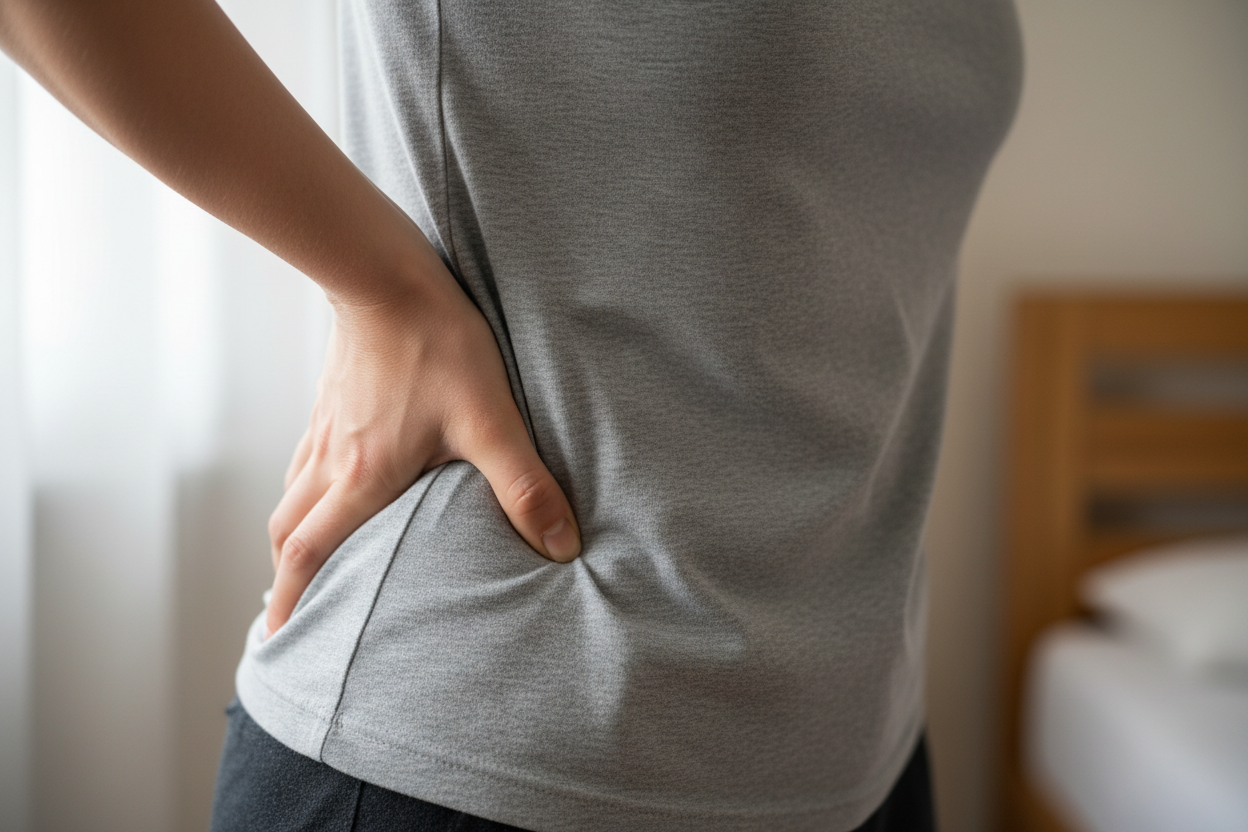
Back Pain Could Come From Your Feet
Learn About Hip Pain
Hip Pain starts with the way the feet interact with the ground. If the feet collapse inward, roll outward, or fail to provide stable support, the legs may rotate abnormally and the pelvis can become less balanced during movement. These changes can alter how force travels through the body, placing added pressure on the hips over time. Poor foot mechanics are a common contributor to movement patterns that may worsen hip discomfort.
When the feet are aligned properly, the body is better able to move in a balanced and efficient way. Stable foot support can help improve leg positioning, reduce unnecessary twisting through the knees and hips, and create smoother motion while walking or standing. With less compensation throughout the lower body, the hips may experience less daily stress, which can help reduce discomfort and fatigue.
Natural Foot Orthotics help provide a more stable base by guiding the feet into healthier positioning during everyday activity. Shop Now
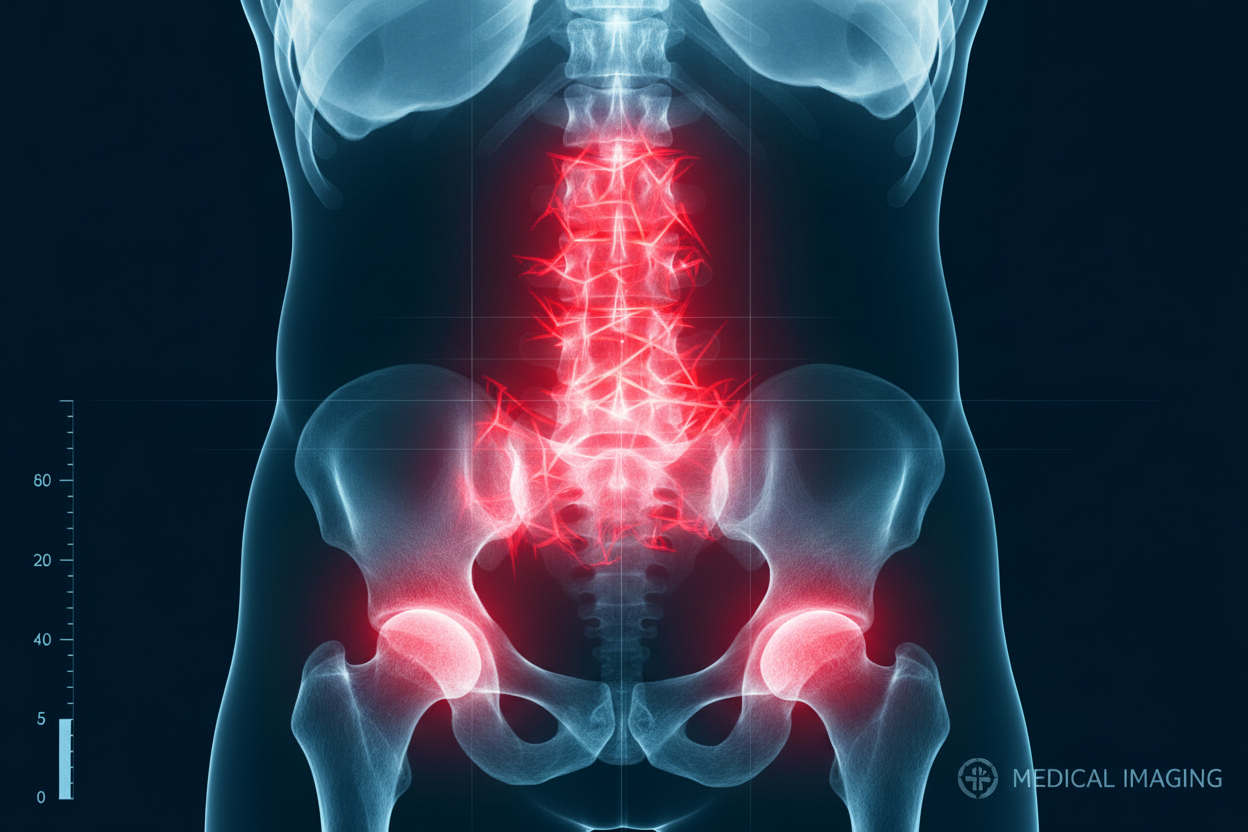
Back Pain Could Come From Your Feet
Back pain is often connected to what happens below the spine, starting with the feet. When the feet are not properly aligned, the ankles may roll inward or outward, the knees can shift off track, and the hips may tilt unevenly. This chain reaction can place extra stress on the lower back, muscles, and joints over time. Many healthcare professionals recognize that poor foot mechanics can contribute to posture issues and movement patterns that aggravate back discomfort.
Proper foot alignment helps create a more stable foundation for the entire body. When the feet are supported correctly, weight can be distributed more evenly, posture may improve, and unnecessary strain on the knees, hips, and lower back can be reduced. Better alignment can also support smoother walking mechanics and more efficient movement, which may help decrease daily tension and fatigue in the back.
Natural Foot Orthotics are designed to help improve alignment from the ground up with a structured, semi-rigid support system that stabilizes the feet during everyday movement. By helping control excess motion and promoting a healthier foundation, they may reduce the stress that travels upward into the knees, hips, and back. For many people, consistent support underfoot can make standing, walking, and daily activity more comfortable.
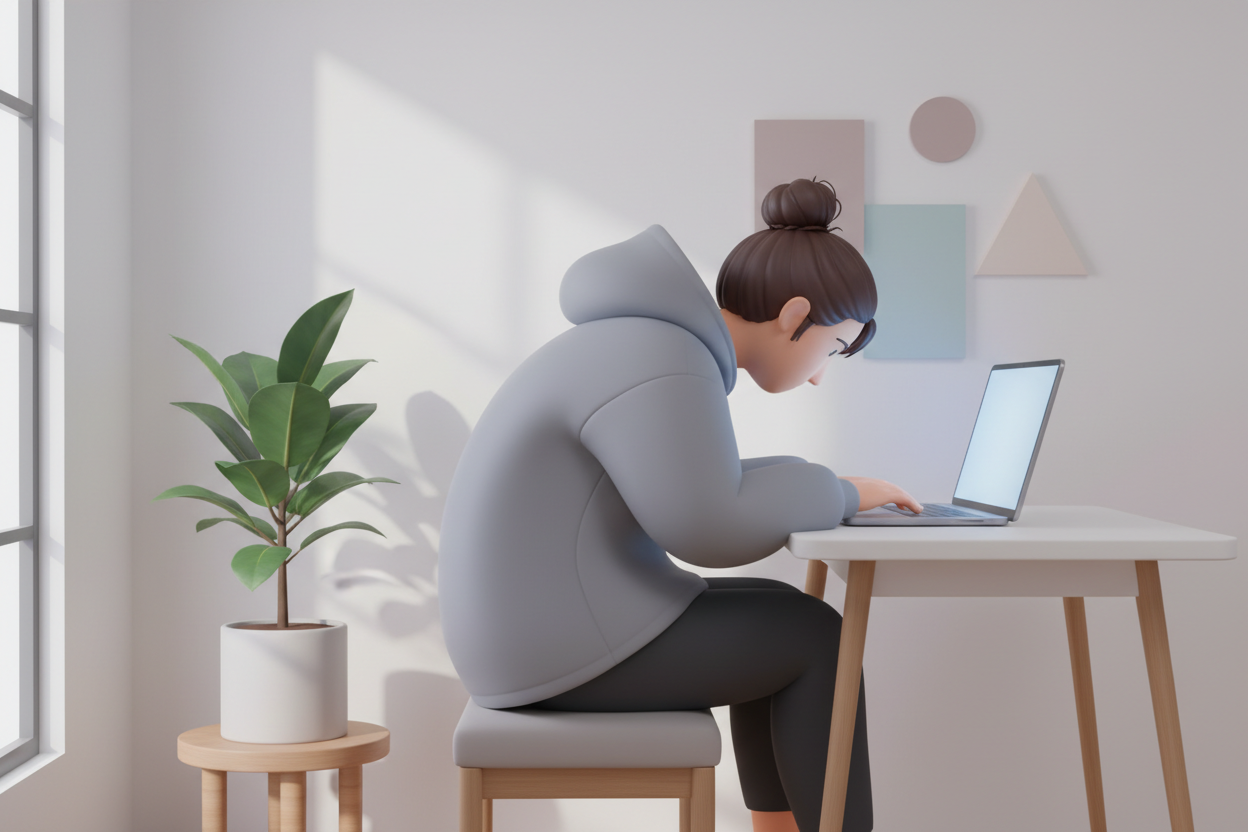
Fix Posture with NFO
Posture is not shaped only by the neck, shoulders, or back; it often begins at the feet. Because the feet are the body’s foundation, poor alignment there can create a chain reaction upward through the ankles, knees, hips, pelvis, and spine. When the foundation is unstable, the body may compensate with uneven weight distribution, tilted hips, rounded shoulders, or forward head positioning. Over time, these patterns can contribute to discomfort, fatigue, and inefficient movement.
The good news is that posture can often be improved throughout life, although results depend on the cause, habits, mobility, strength, and any underlying medical conditions. Trusted medical guidance supports that posture-related problems are commonly addressed with exercise, physical therapy, ergonomic changes, and movement retraining. While long-standing habits may take more time to improve, addressing posture earlier can help prevent additional strain and discomfort.
Many professions can benefit from better posture support, especially those who spend long hours sitting. Office workers, remote employees, designers, accountants, customer service teams, programmers, gamers, and anyone working at a computer for most of the day may develop tension from prolonged sitting and repetitive positioning. At the same time, posture challenges also affect people in physically demanding roles—such as workers who lift, lean forward, stand for long periods, or perform repetitive tasks. When posture breaks down during daily work, stress can build throughout the feet, legs, hips, back, neck, and shoulders.
Natural Foot Orthotics use a structured, semi-rigid design to provide consistent support during everyday movement, helping many people stand, walk, and work with greater comfort and stability. Find your perfect feet companion here
Browse Our Products
All Collections
Stabilizers
- Stabilizers
- Clouds
- Fashions
- Premium Cushions
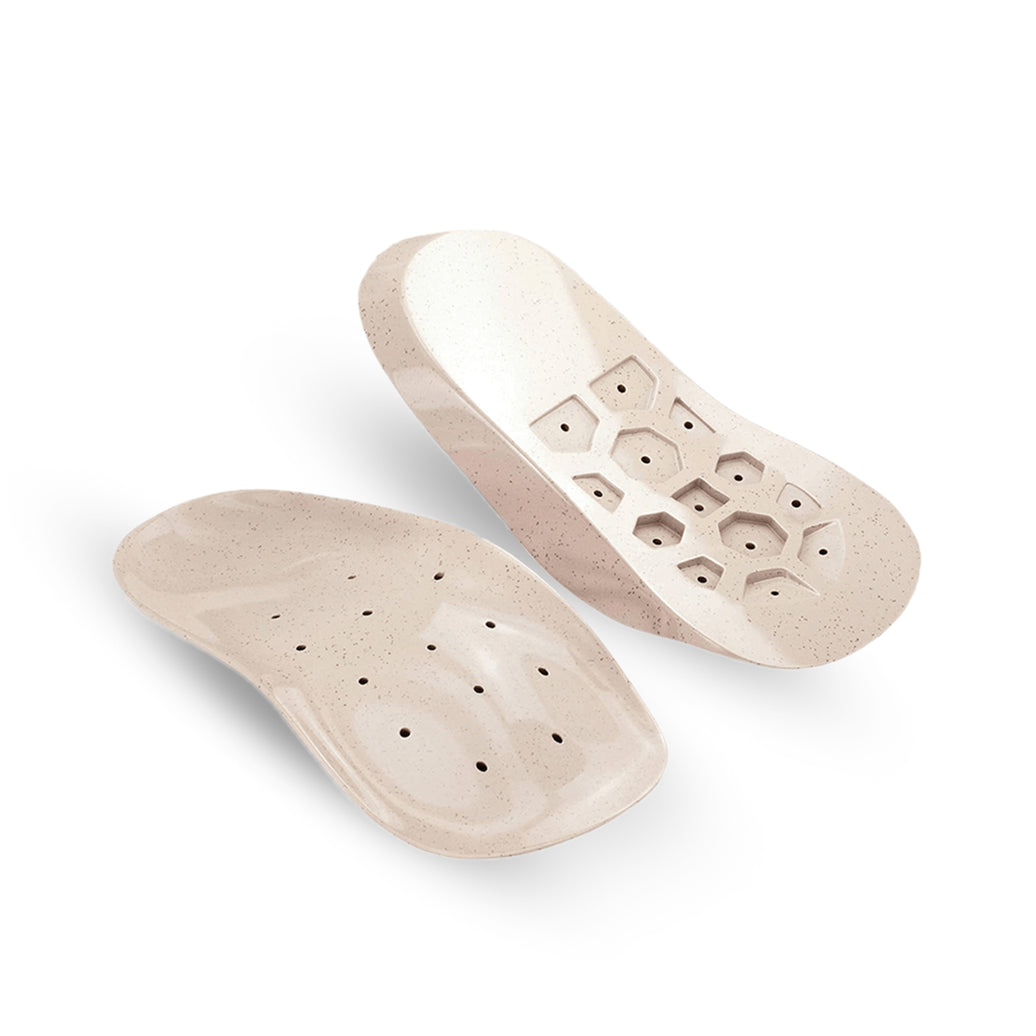
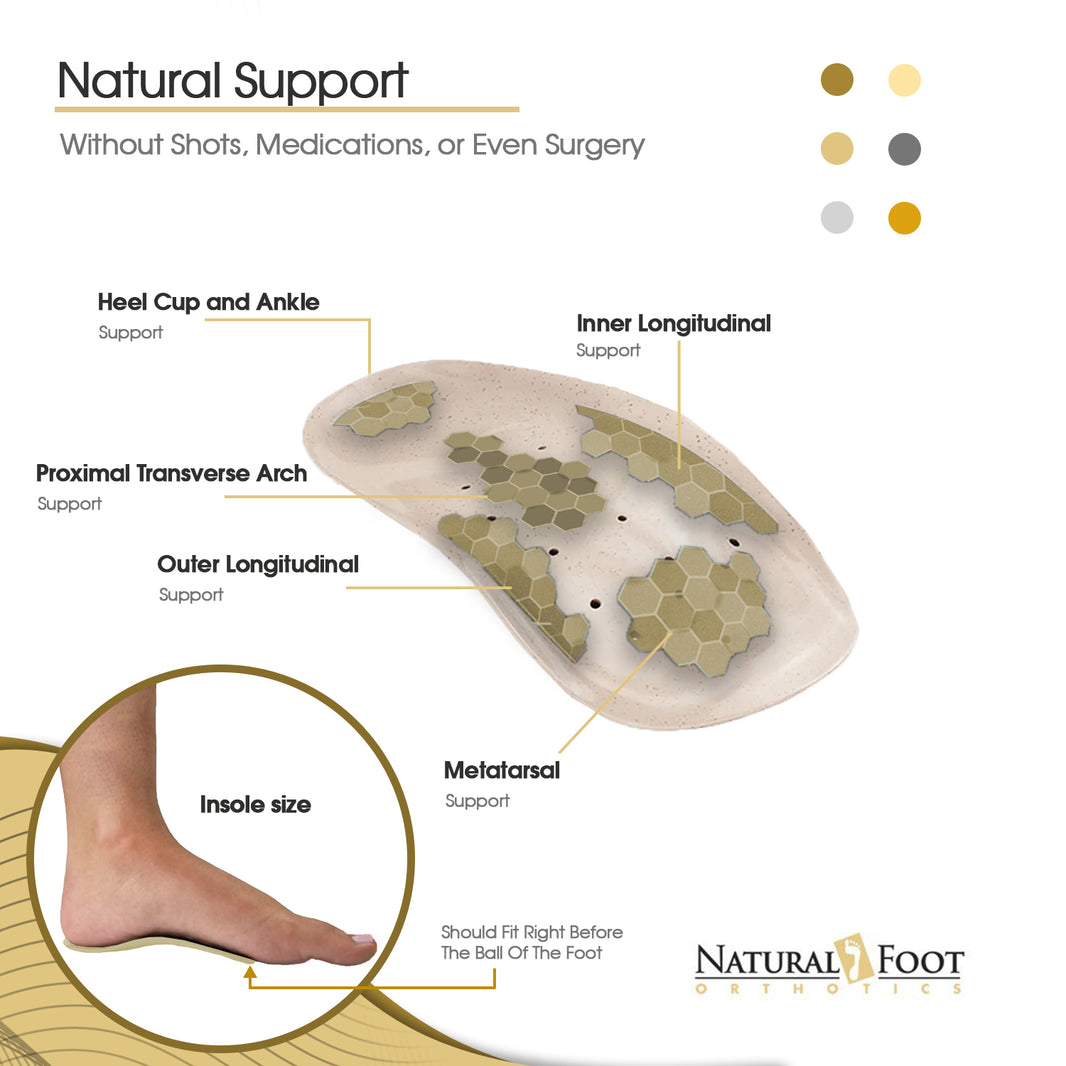
Original Orthotic Stabilizer | Insoles Designed for High Arches
Regular price
$99.95
Sale price:
$99.95
Regular price:
$99.95
Sale:
-0%
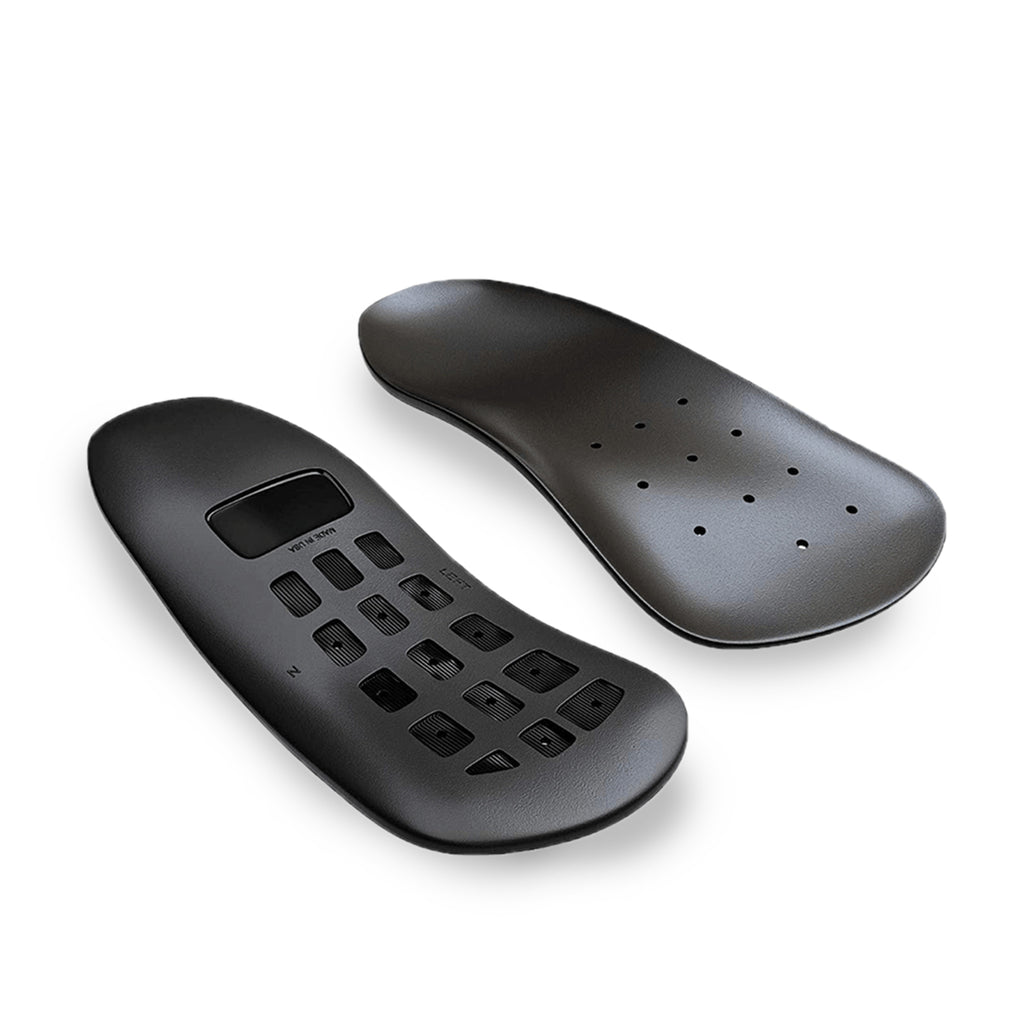
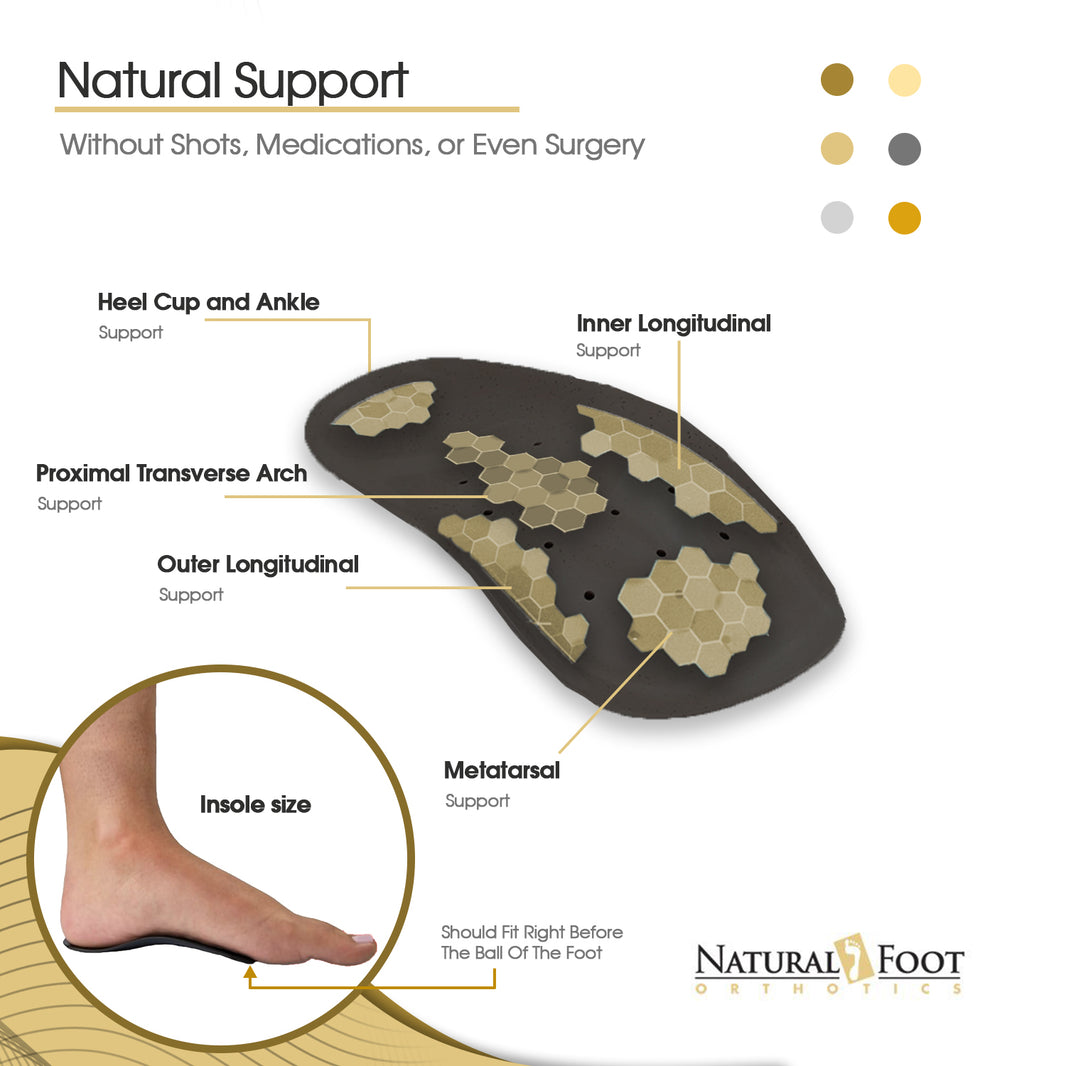
Slim Orthotic Stabilizer | Insoles Designed for Medium to Low, Flat Arches
Regular price
$99.95
Sale price:
$99.95
Regular price:
$99.95
Sale:
-0%
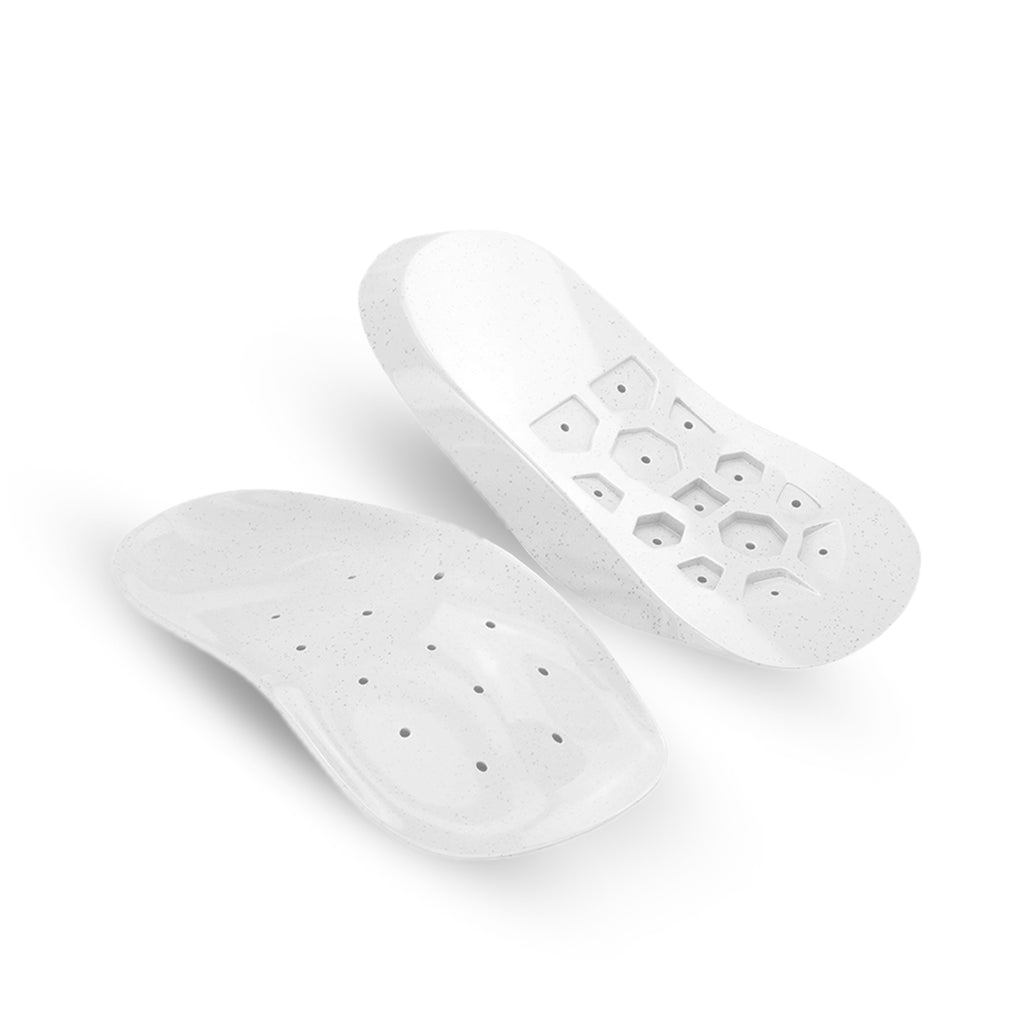
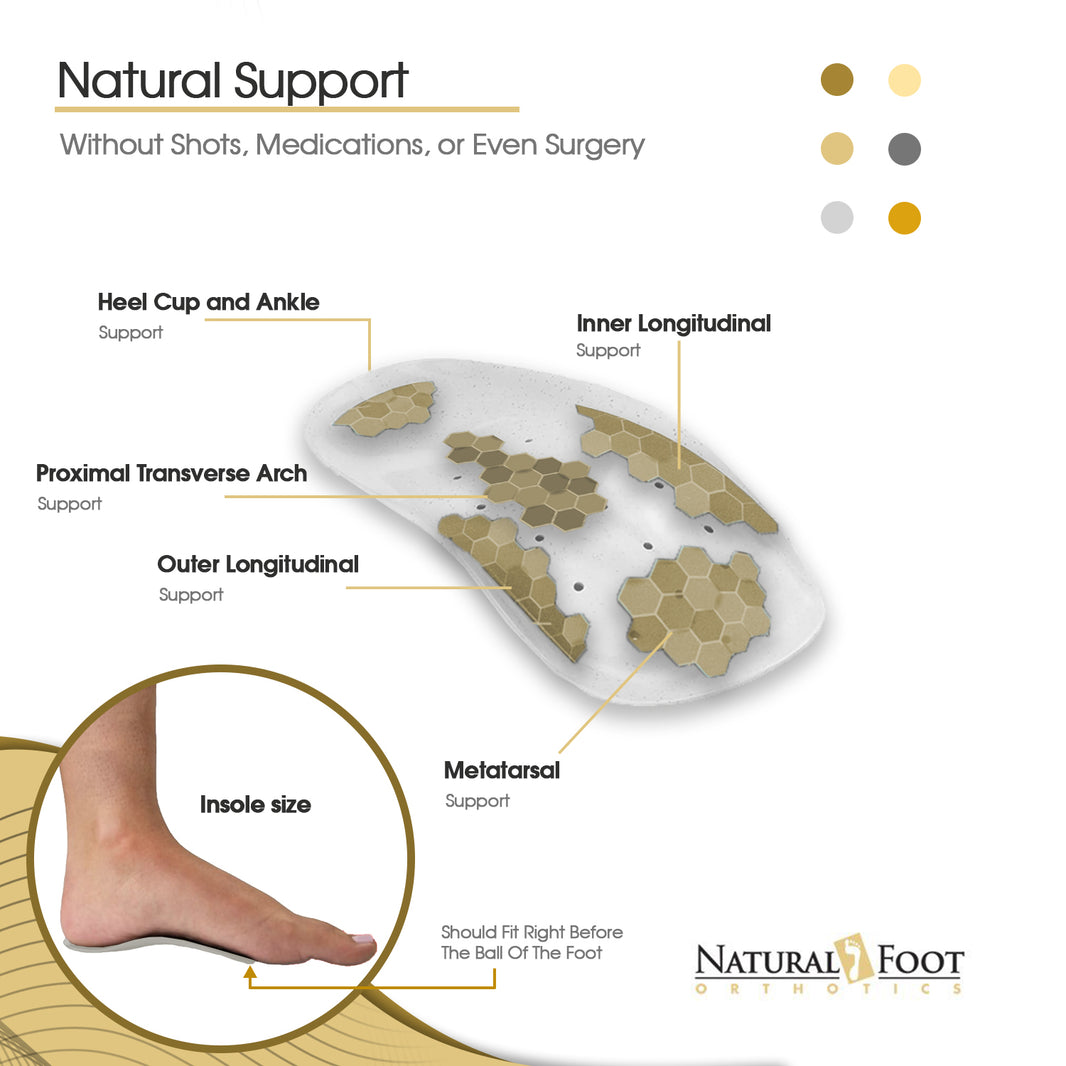
Intermediate Orthotic Stabilizer | Insoles Designed for Medium to High Arches
Regular price
$99.95
Sale price:
$99.95
Regular price:
$99.95
Sale:
-0%
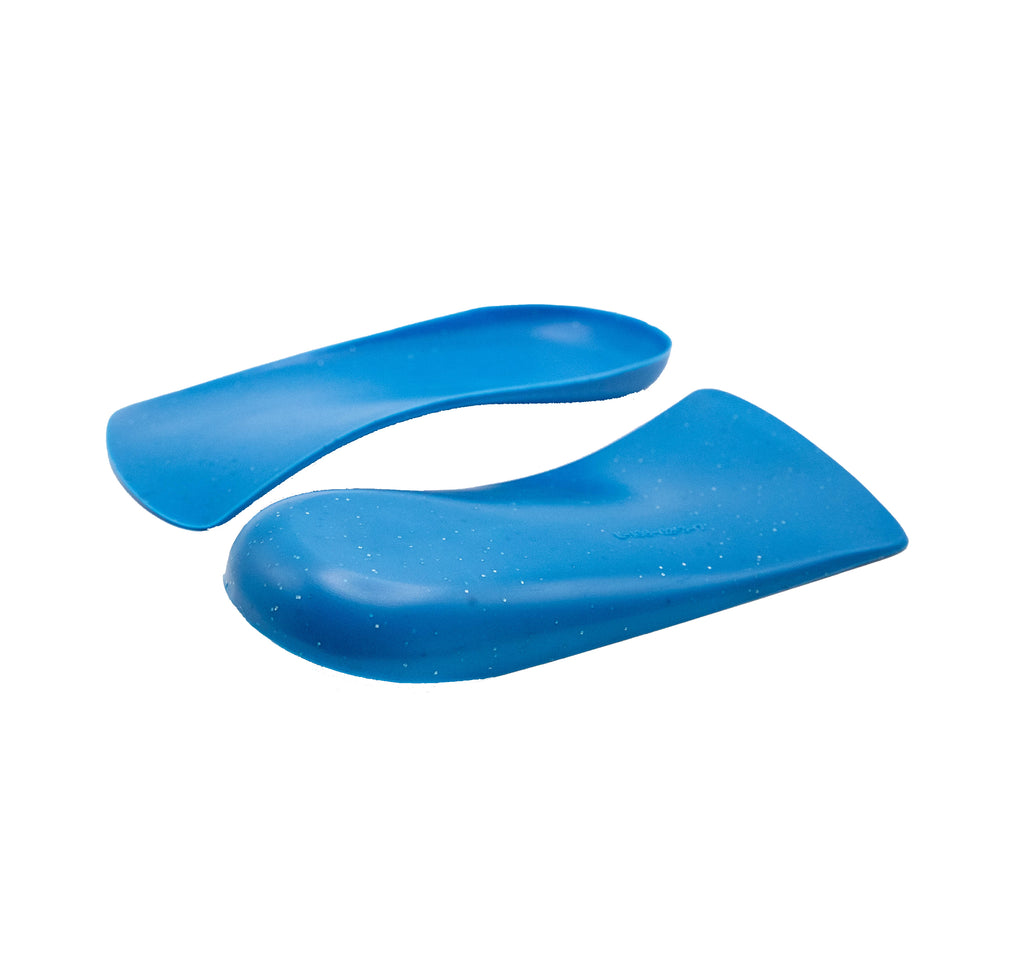
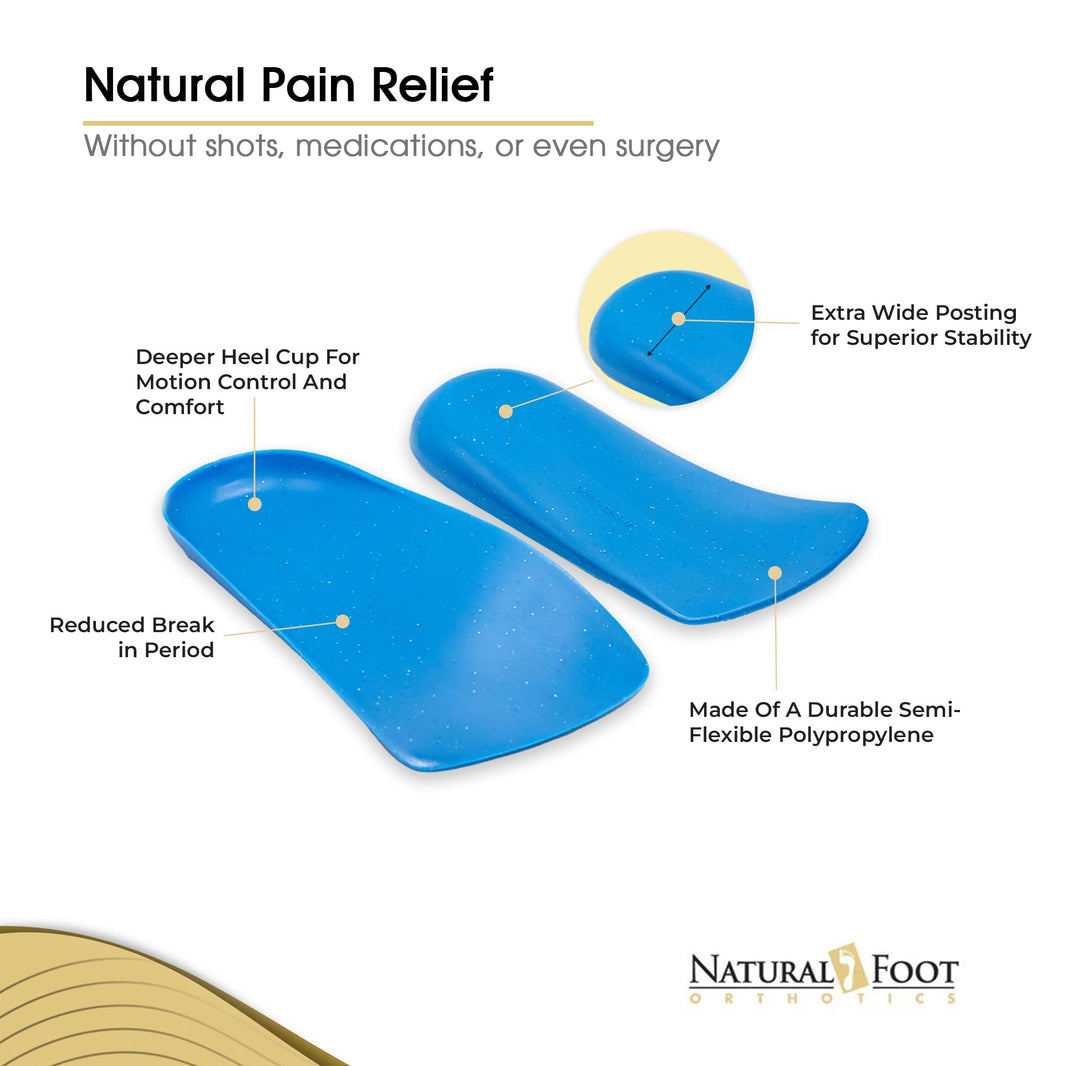
Cloud Rx Firm Orthotic | Insoles Designed for All-Day Comfort
Regular price
$49.95
Sale price:
$49.95
Regular price:
$49.95
Sale:
-0%
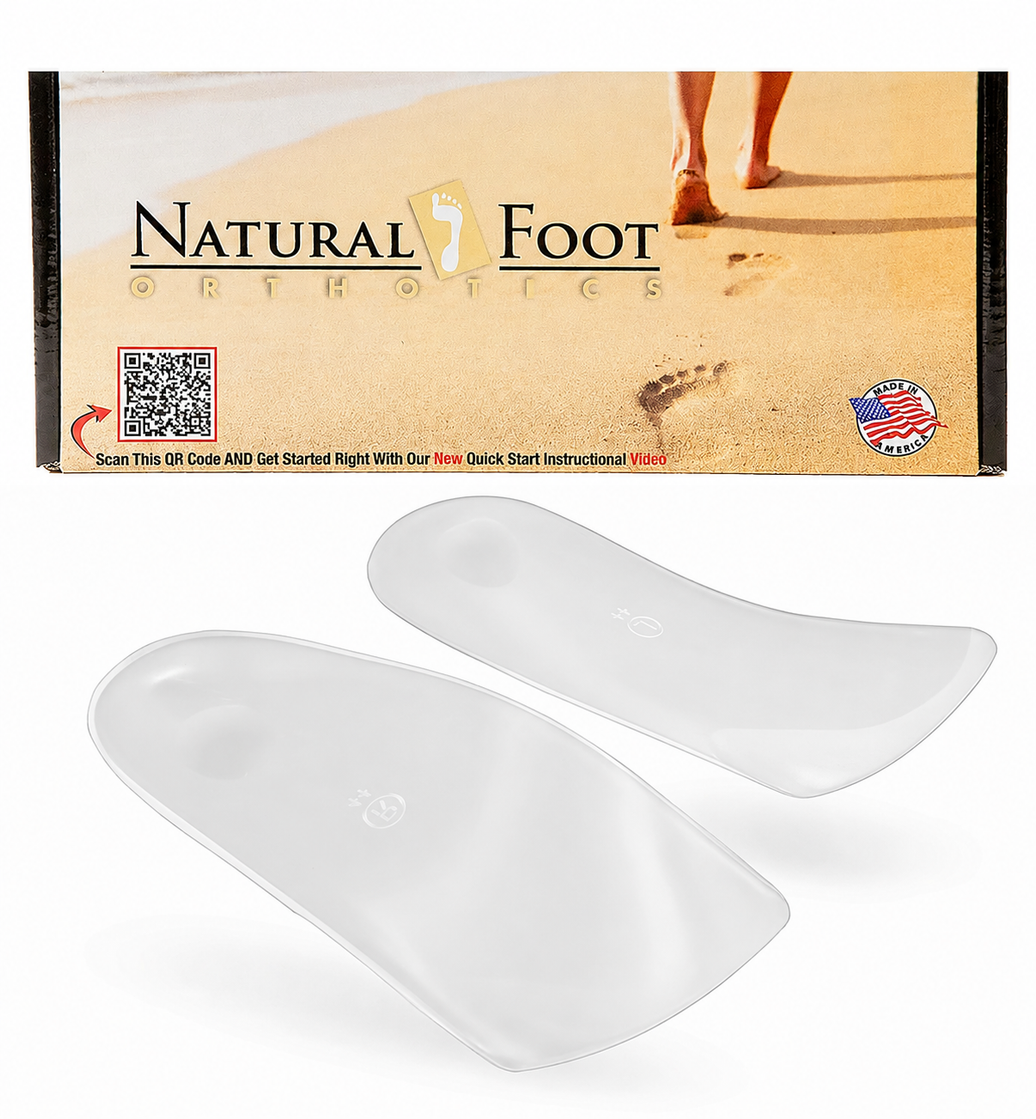

Cloud Comfort - Comfortable & Supportive Foot Relaxing Insoles
Regular price
$39.99
Sale price:
$39.99
Regular price:
$39.99
Sale:
-0%
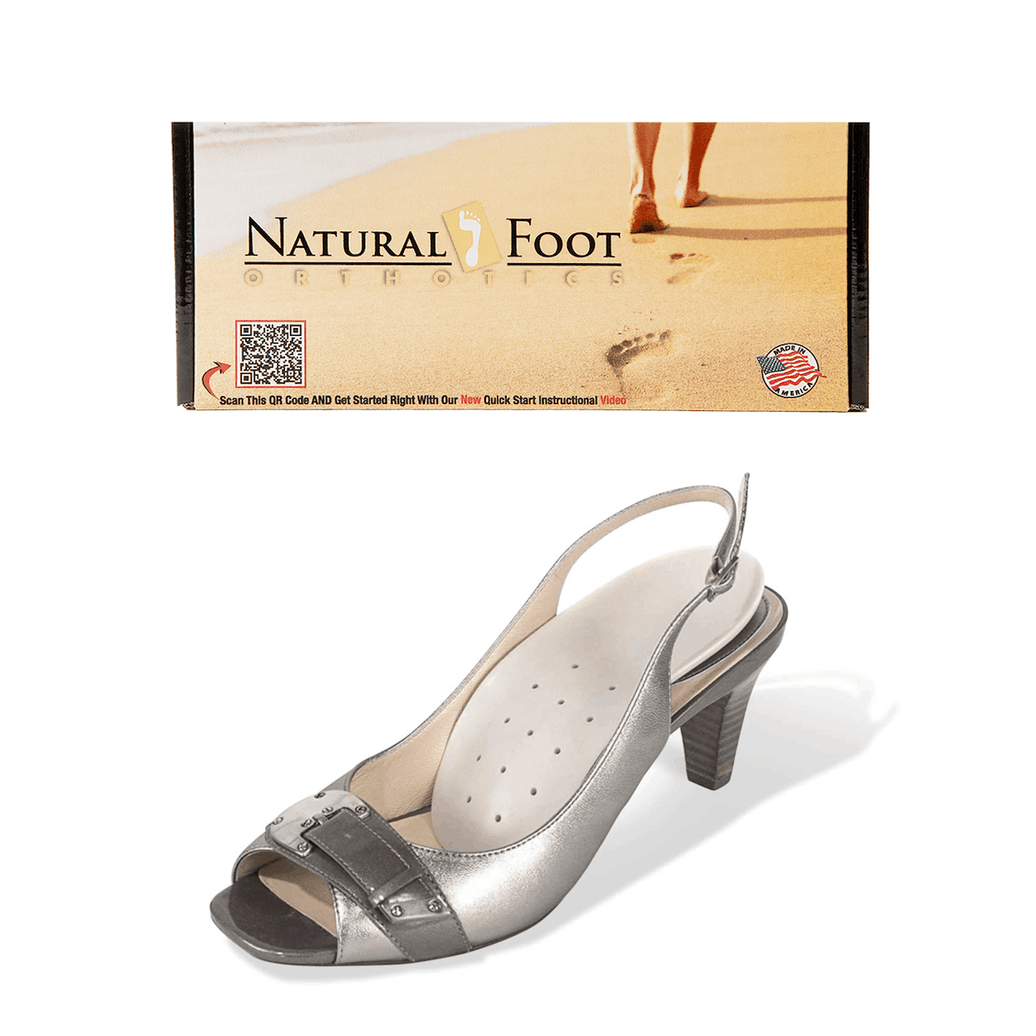
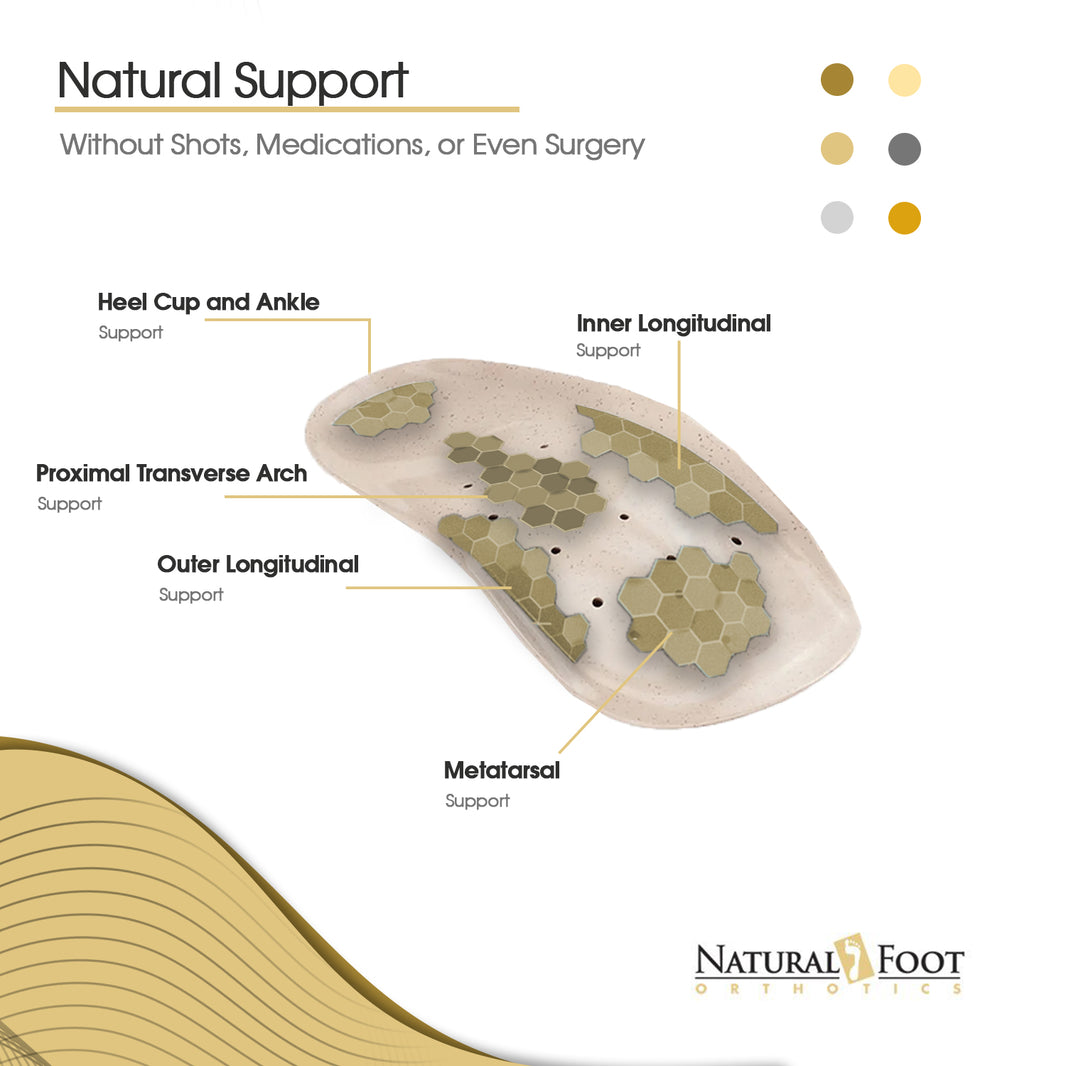
Fashion Orthotic Stabilizers | Designed For Heels and Dress Shoes
Regular price
$44.95
Sale price:
$44.95
Regular price:
$44.95
Sale:
-0%
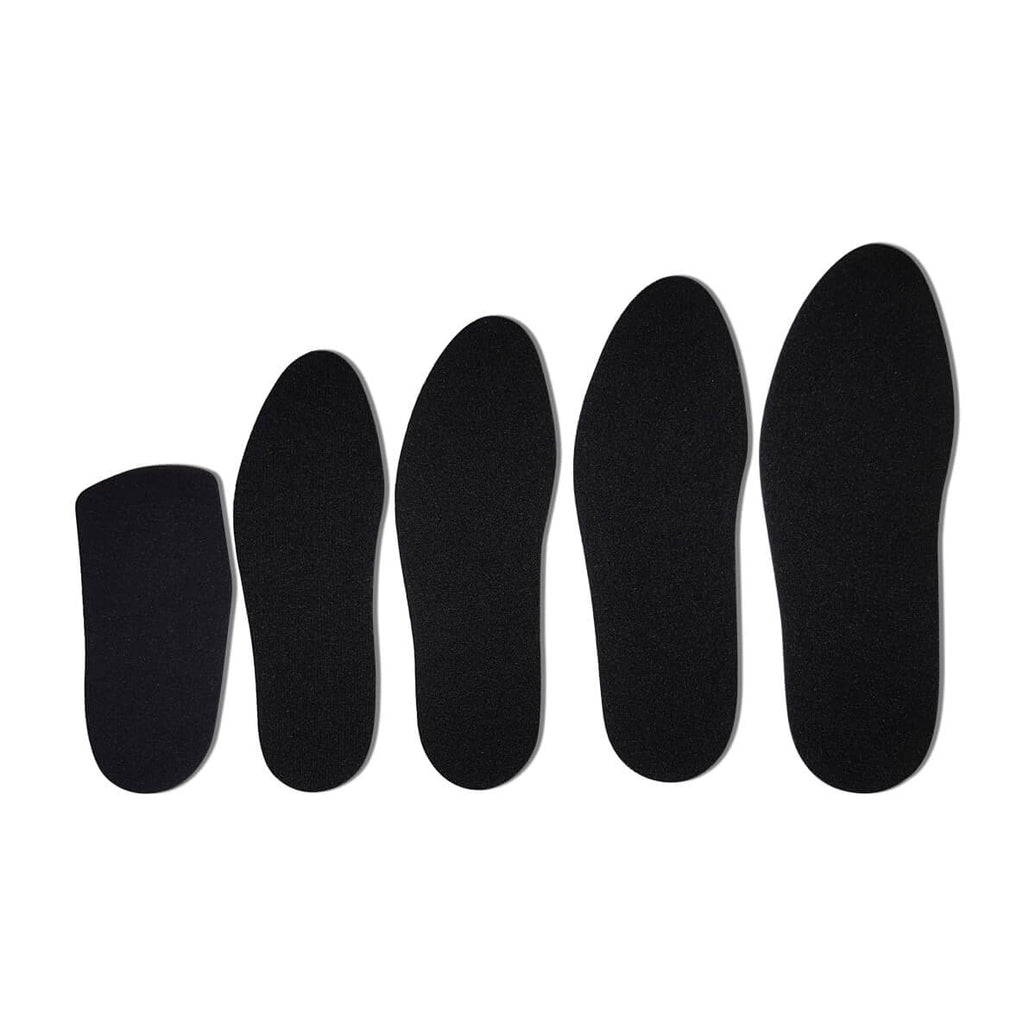
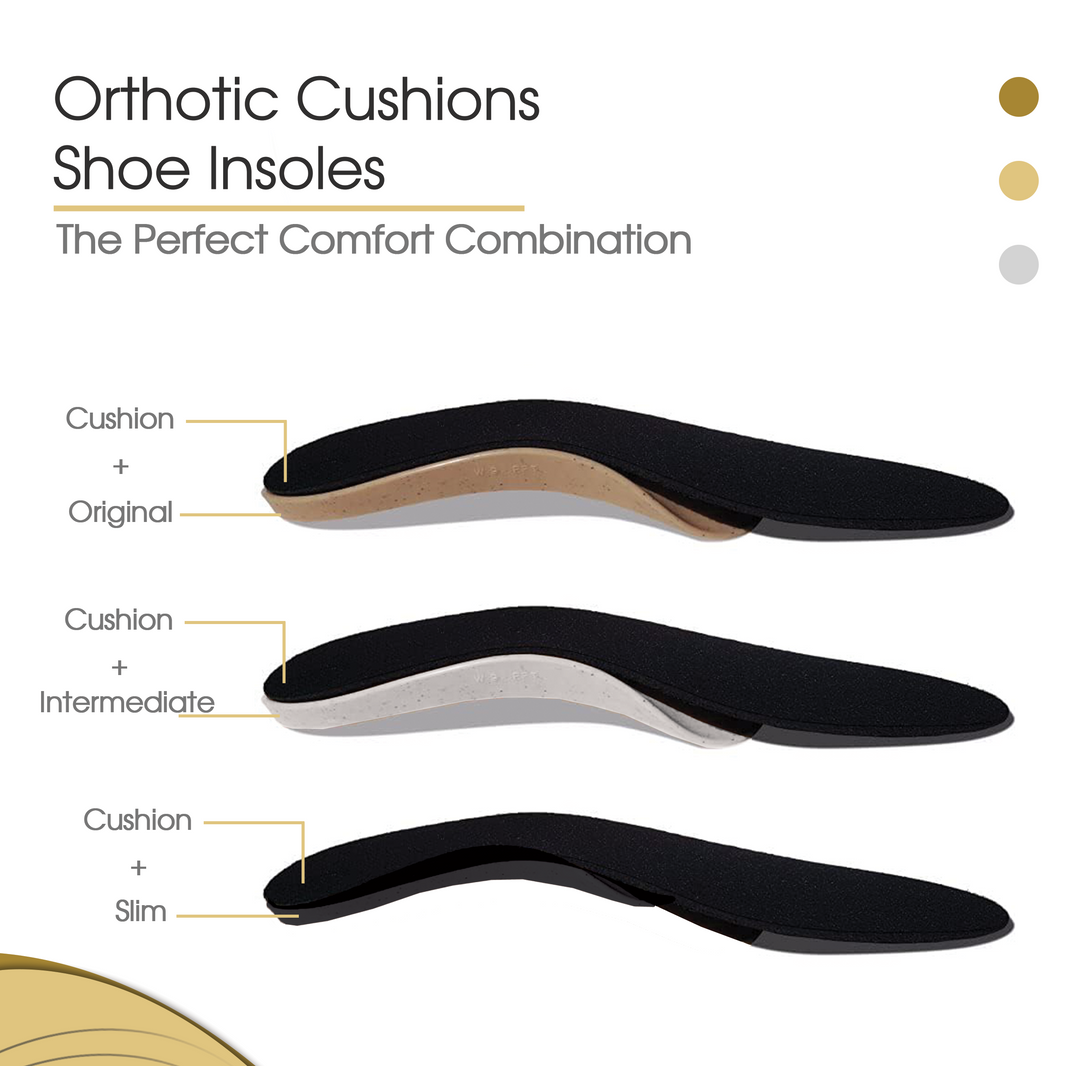
Natural Foot Orthotic Cushions | A Great Compliment to Our Orthotics
Regular price
$34.99
Sale price:
$34.99
Regular price:
$34.99
Sale:
-0%