
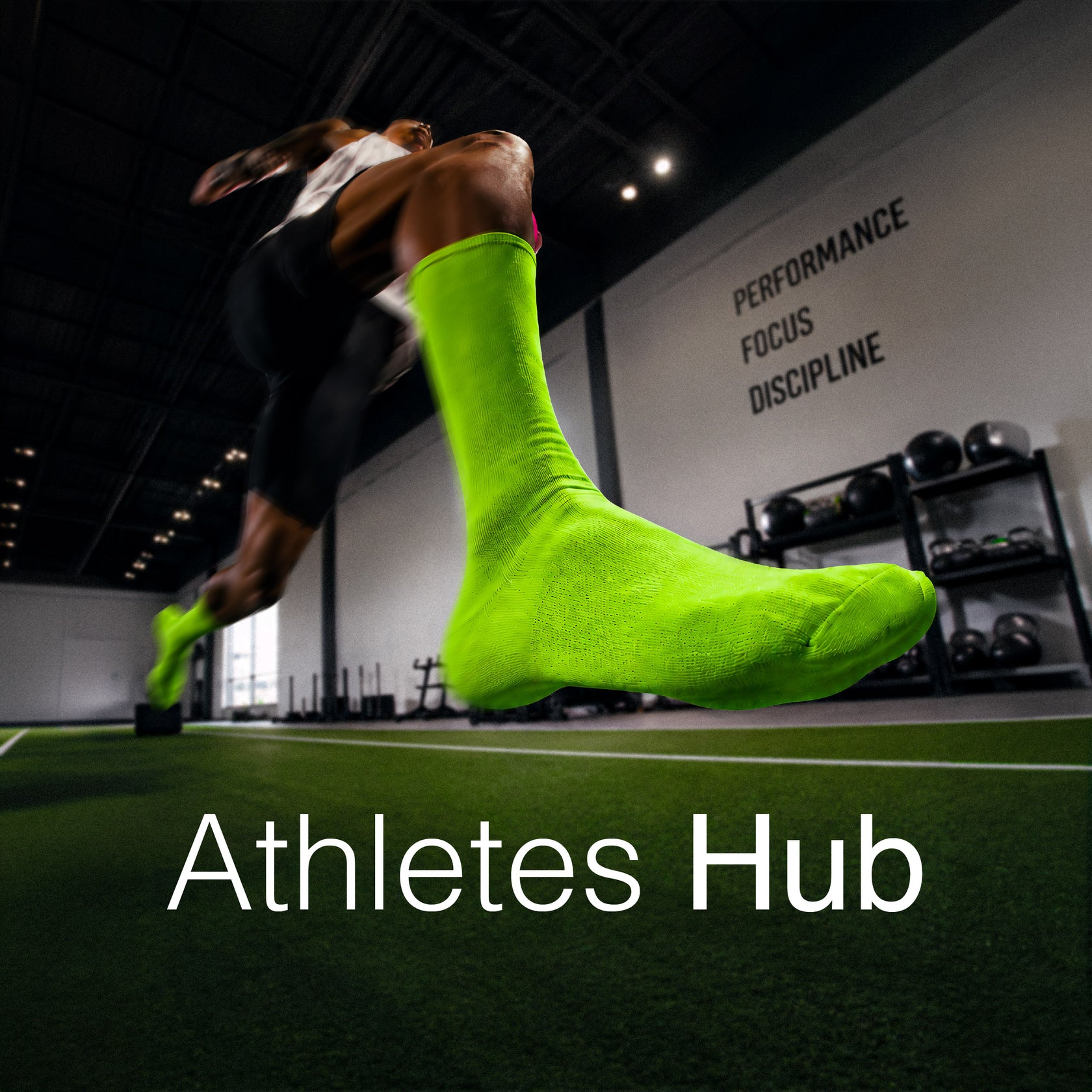
Your Arches Are Your Launch System
Your arches absorb impact, guide movement, and help keep your body aligned through every stride, jump, and landing. Give them the support they need to keep up with the way you train.
Say Hello to Your New Performance Equipment
Your shoes help you move, but your arches help power every step, sprint, jump, and landing. Our orthotics are designed to fit inside your athletic shoes and give your feet the targeted arch support they need to stay comfortable, stable, and ready for the demands of training, competition, and recovery.
Athletes put constant pressure on their feet during running, lifting, walking, cutting, and high-impact movement. With proper foot support, you can help reduce everyday strain, support natural alignment, and protect the foundation that keeps your body moving. Whether you are a runner, gym athlete, weekend warrior, or simply active every day, athletic orthotics can help your feet feel supported from the ground up.
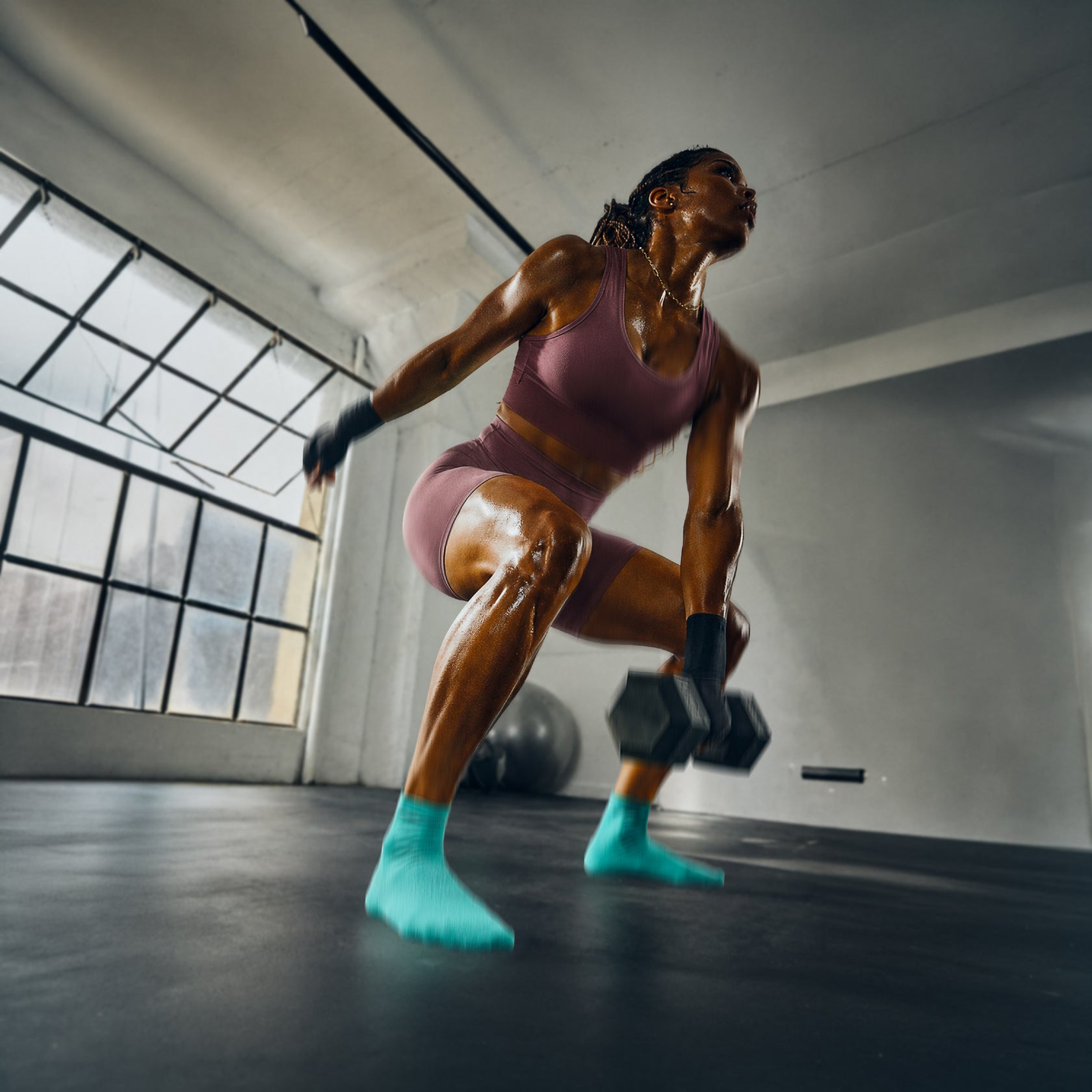
Train Hard. Support Harder.
Athletes put constant pressure on their feet. Proper arch support can help reduce strain, improve comfort, and support better alignment during training, practice, and everyday movement.
What Your Arches Do During Movement
Absorb Impact
Your arches help manage the force created when your foot hits the ground.
Support Alignment
Proper support can help guide the foot, ankle, knees, hips, and back into better positioning.
Improve Comfort
Supported arches may help reduce fatigue during long practices, workouts, or active days.
Stabilize Movement
Better foot support can help during quick cuts, pivots, jumps, and landings.
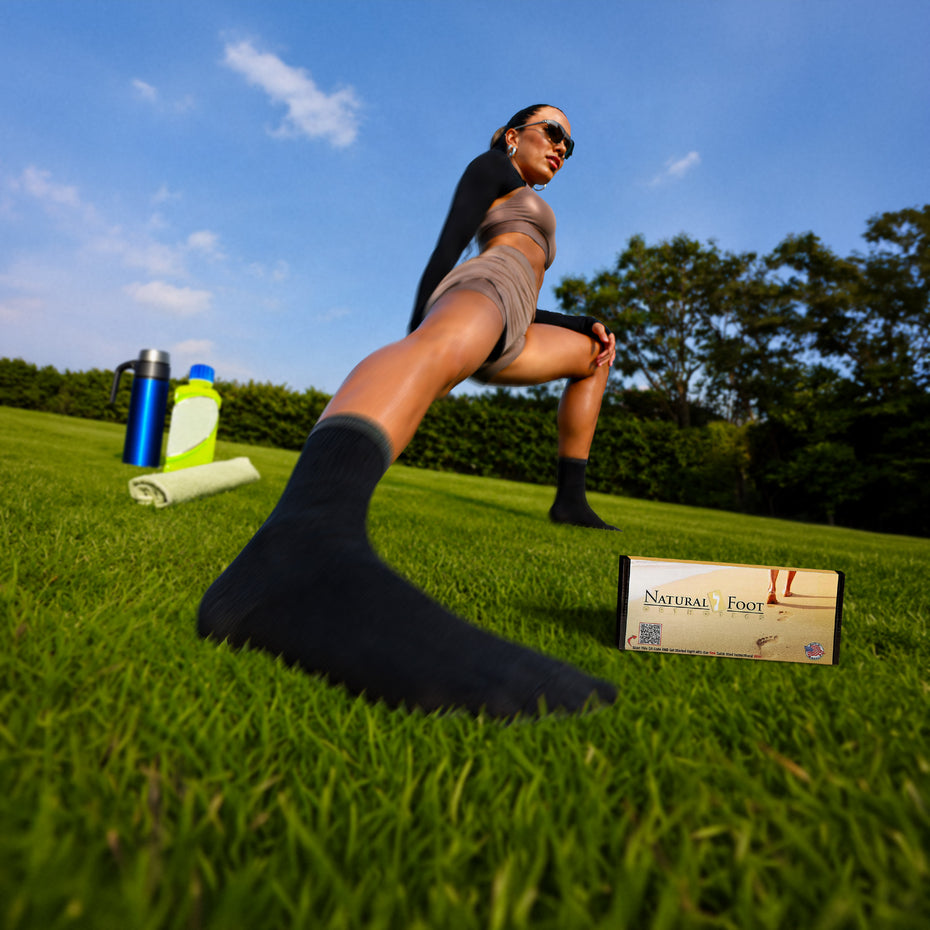
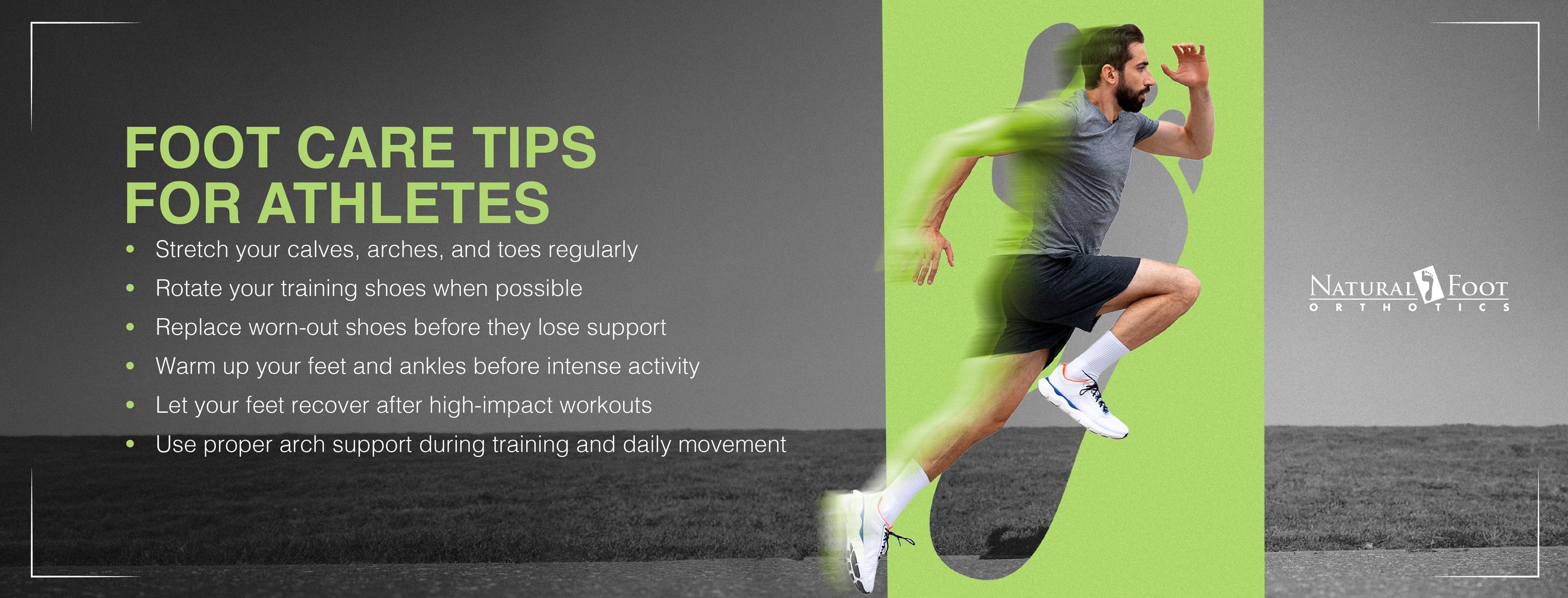
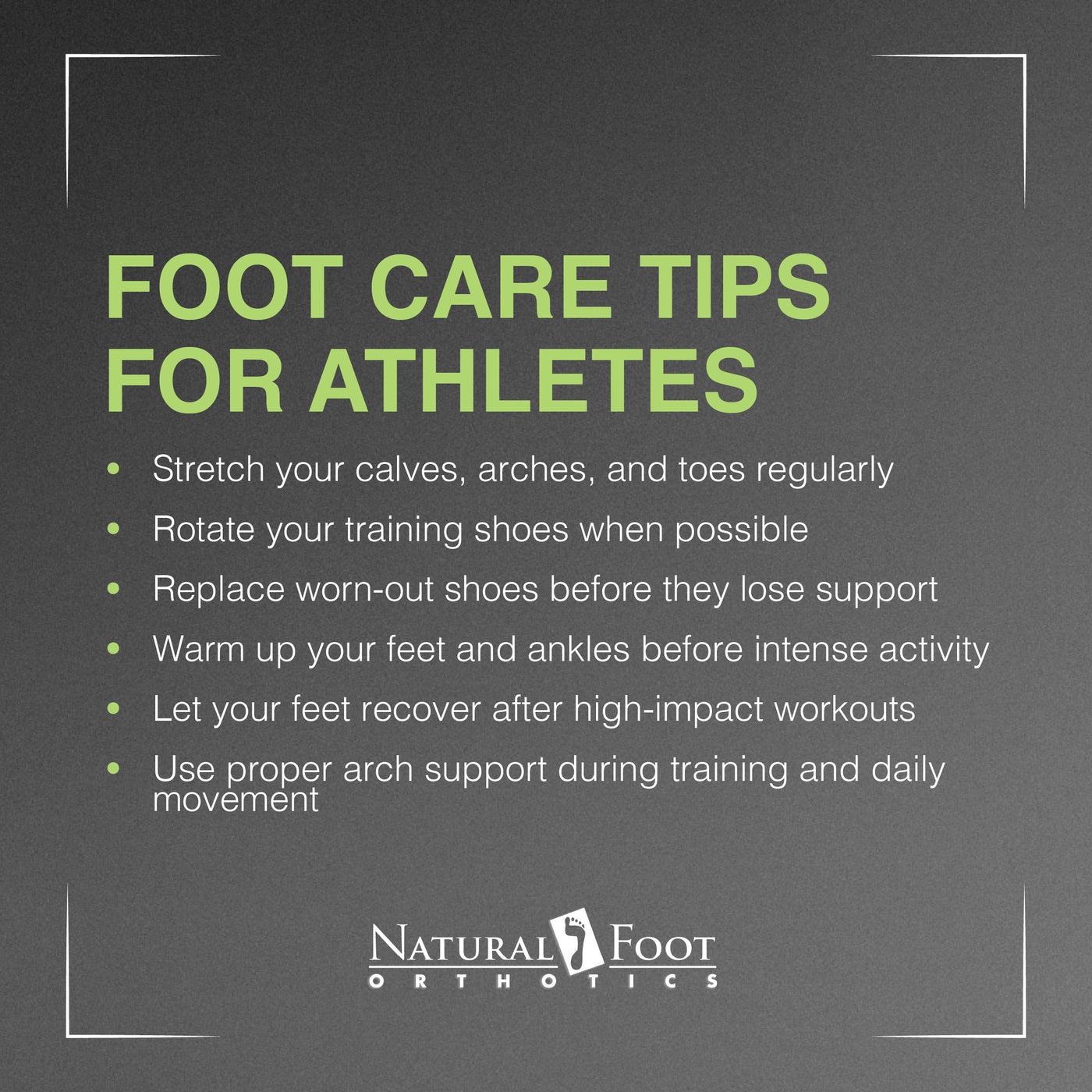
Foot care is part of performance. Whether you’re running, lifting, walking, or recovering, your arches need support that works as hard as you do.
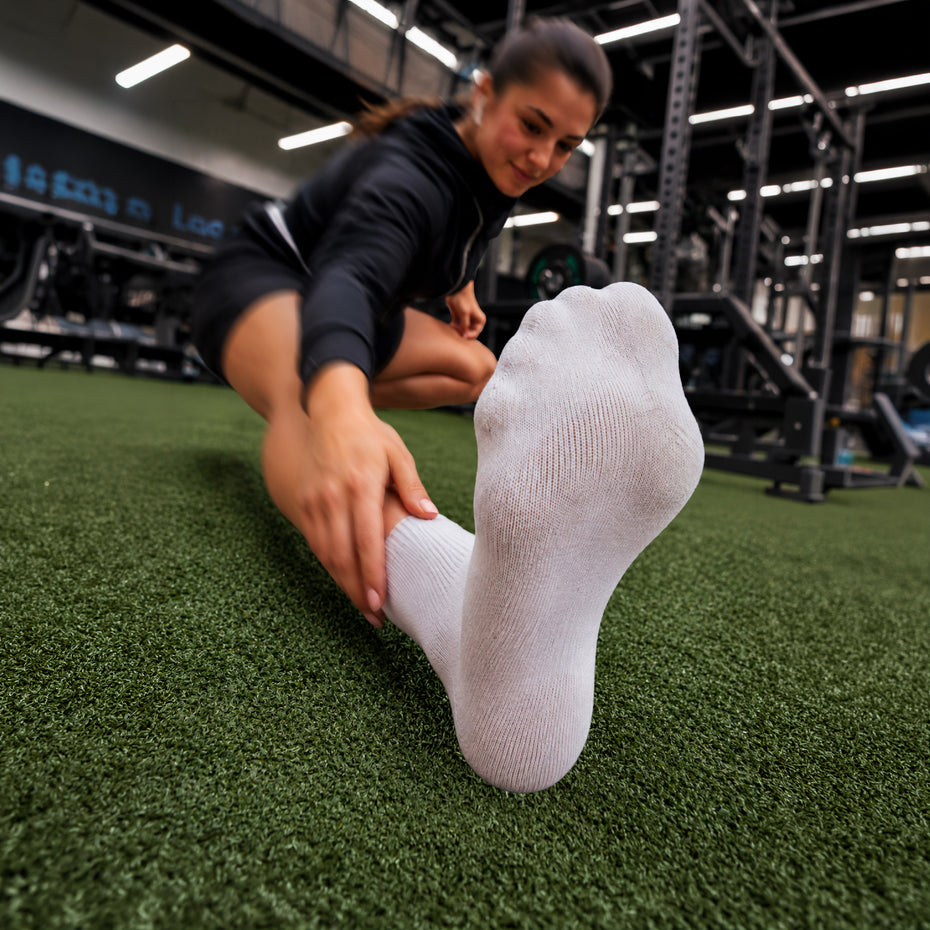
Training does not end when the workout does. After runs, games, lifts, or long active days, your feet still need support as they recover from repeated impact and pressure. Wearing orthotics after training helps keep your arches supported during everyday movement, giving your feet a more stable foundation even after the hardest part of your workout is over.
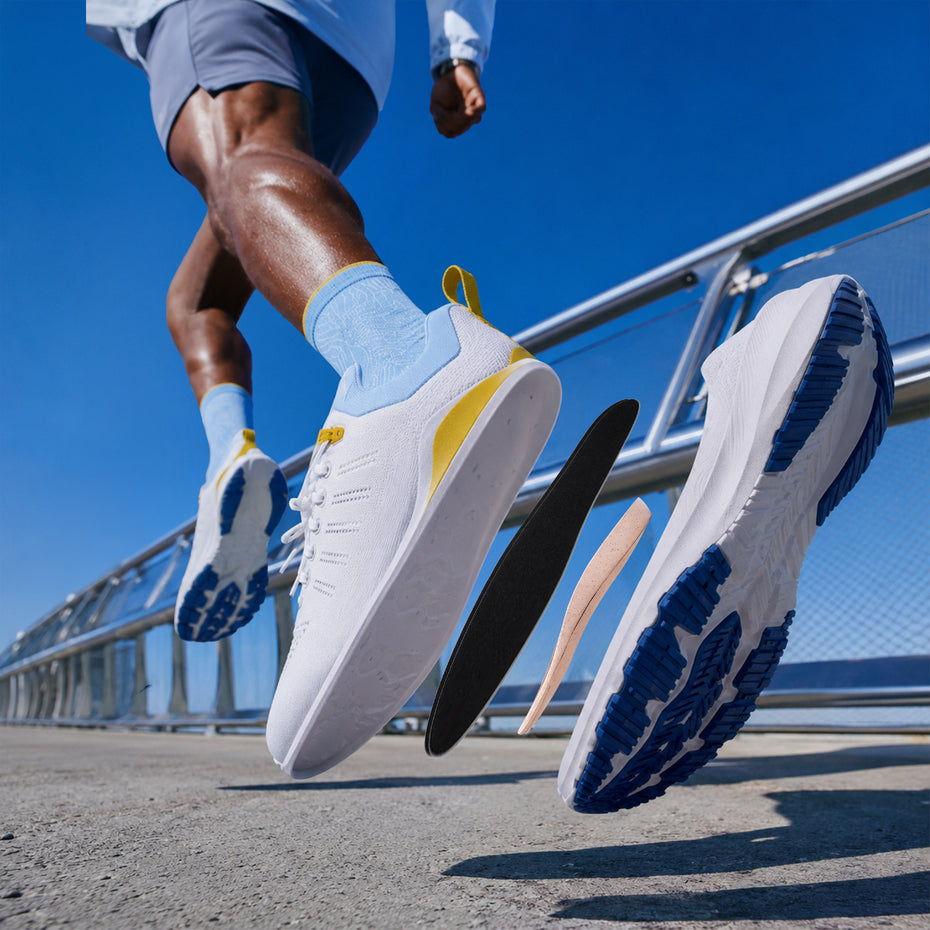
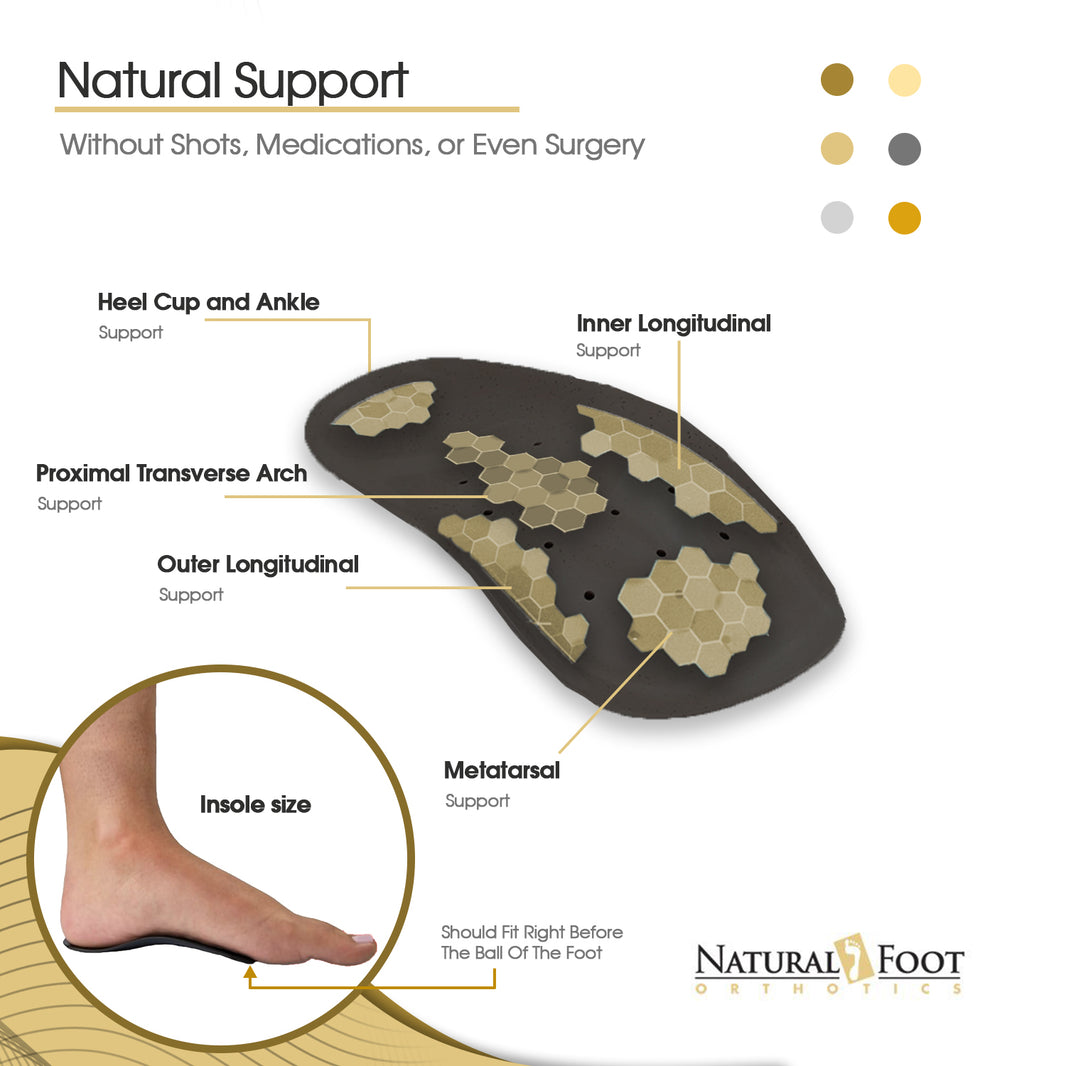
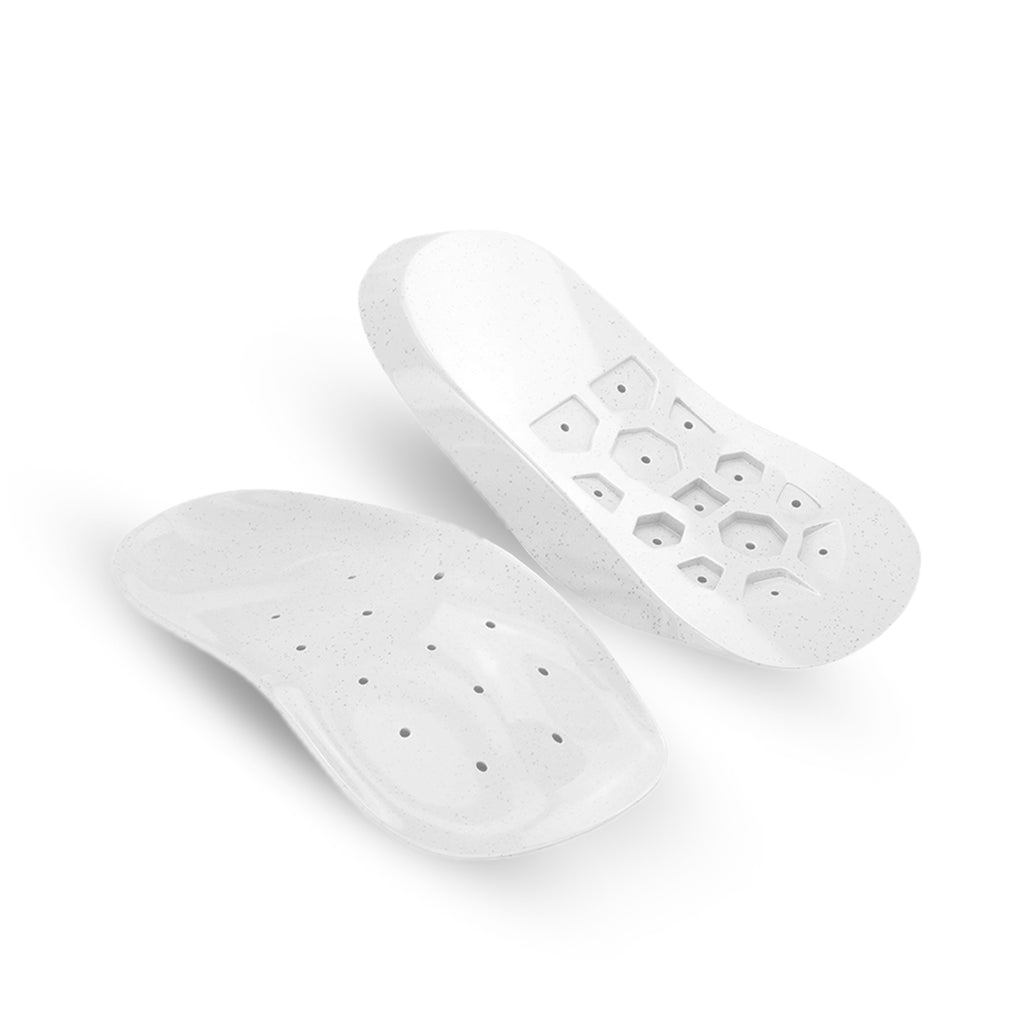
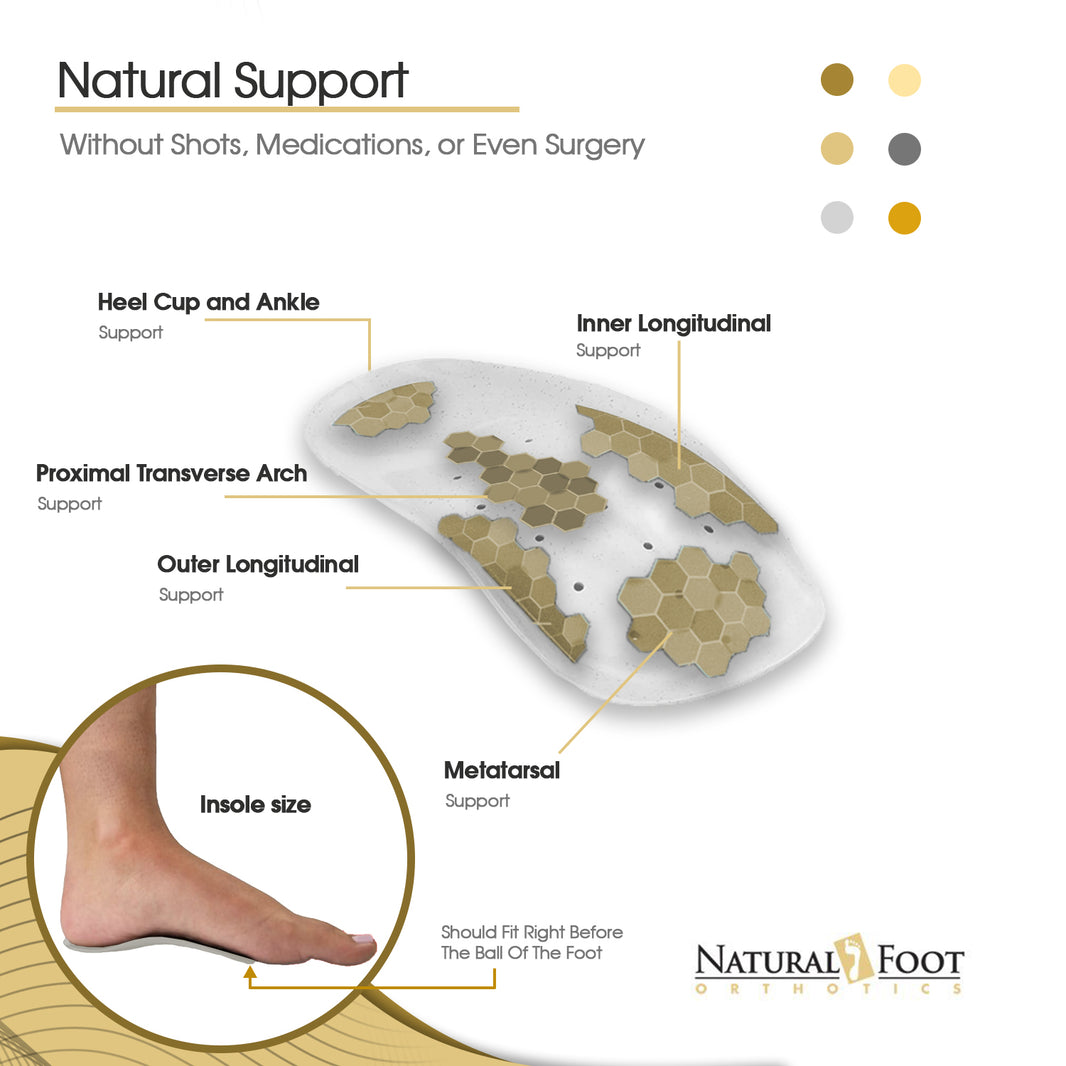
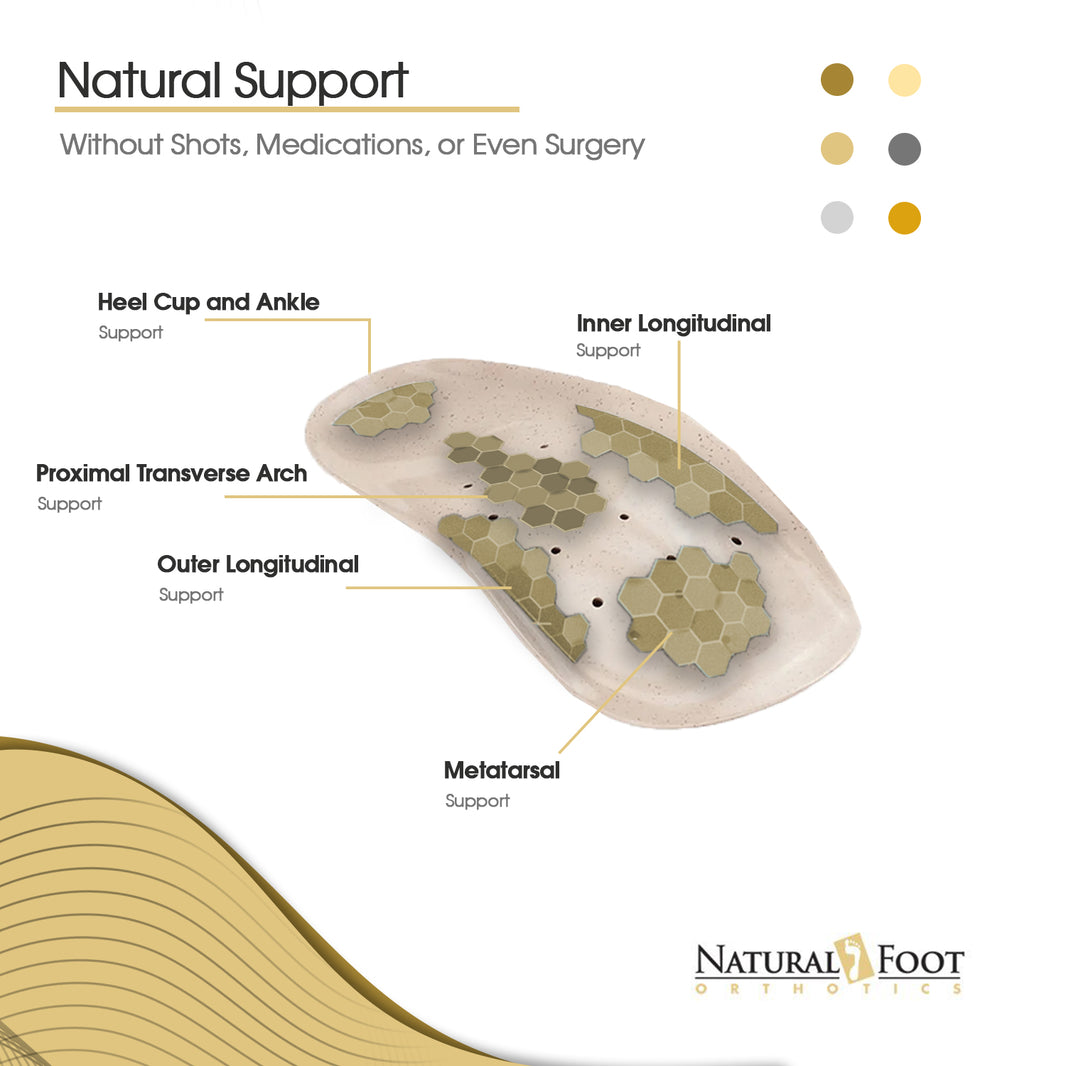
Natural Foot Orthotics are more than soft inserts. Their 3/4-length, semi-rigid design is made to support the arches, stabilize the heel, and help guide the foot into a more natural position without crowding the front of the shoe. This matters for athletes because every sprint, jump, lift, and landing starts at the feet. When the arches are not properly supported, pressure can shift unevenly through the heel, ball of the foot, ankles, knees, hips, and lower back.
- Stabilizers
- Cloud
- Premium Cushions
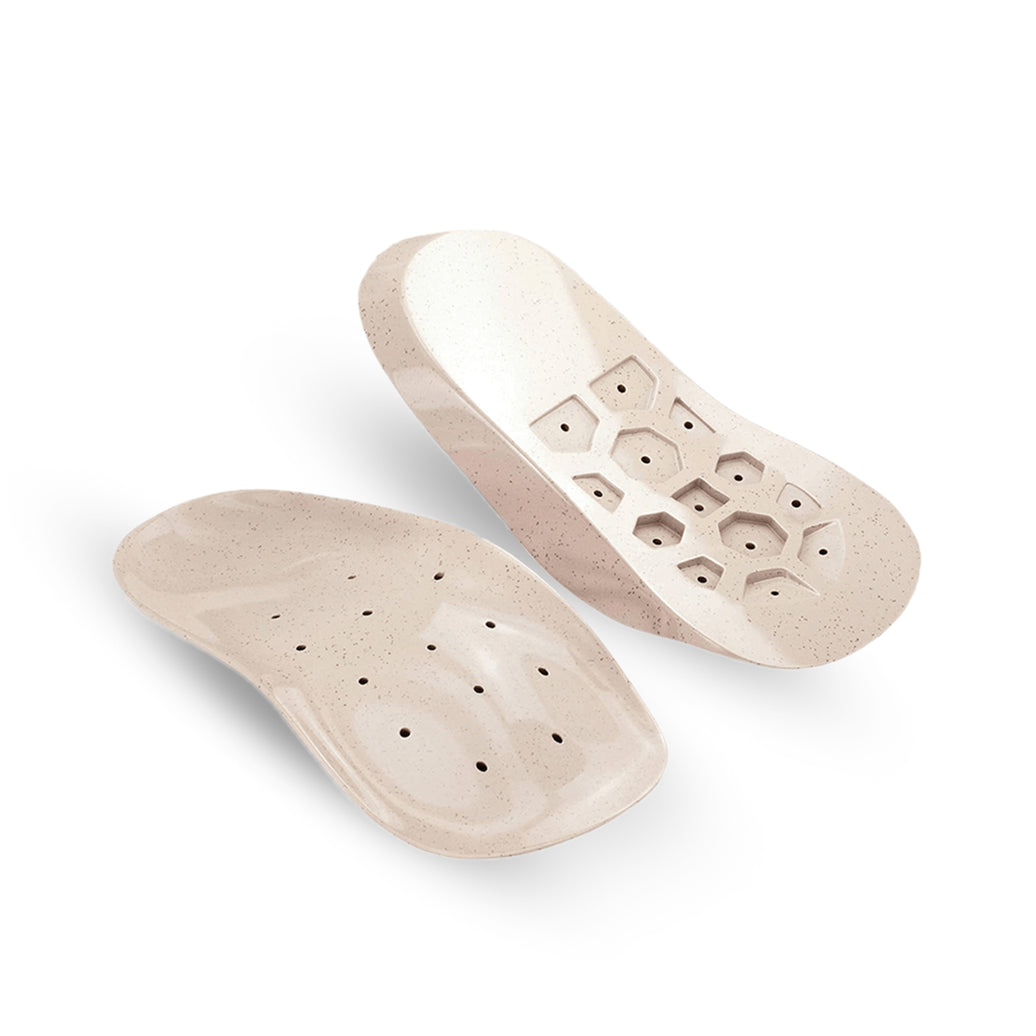
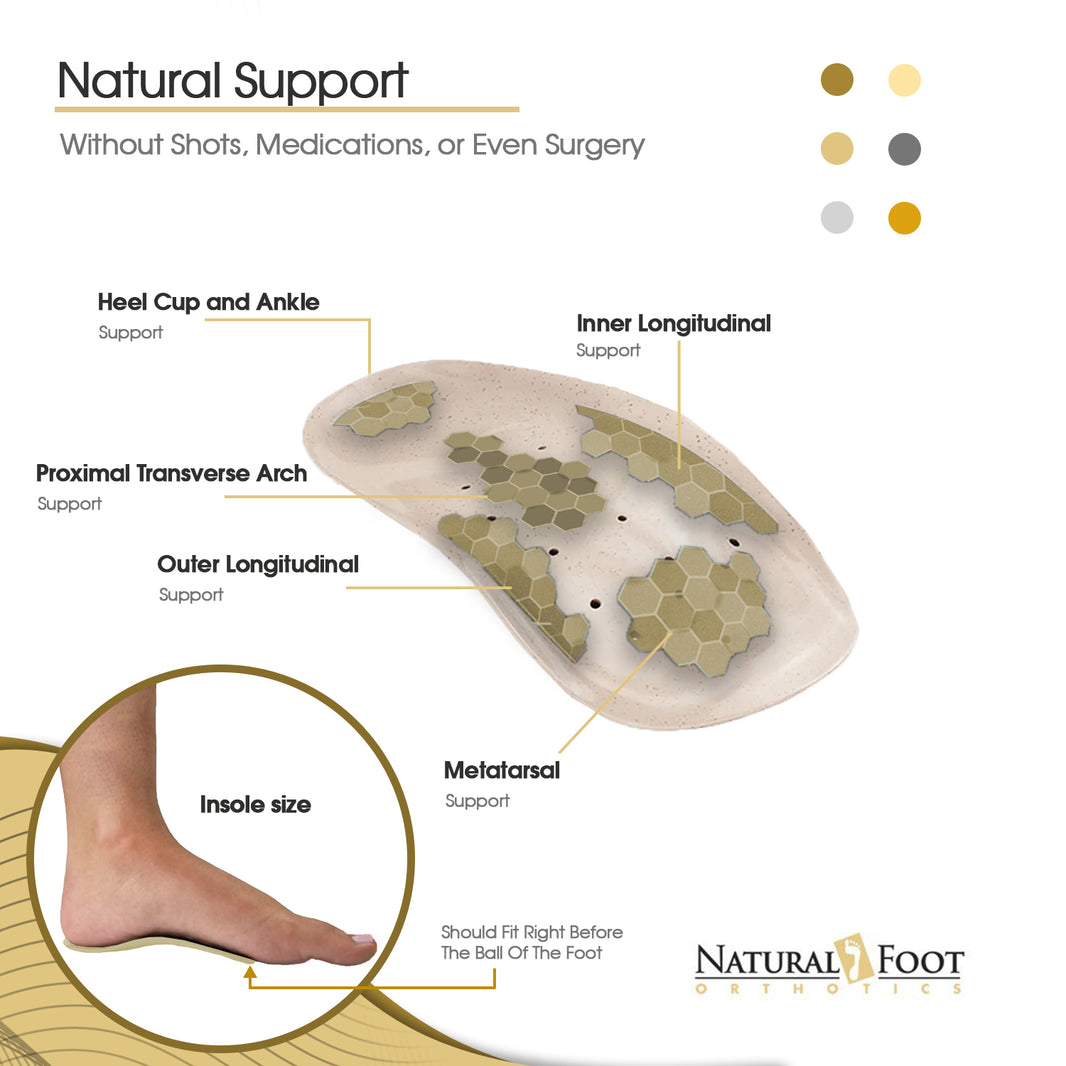
Original Orthotic Stabilizer | Insoles Designed for High Arches
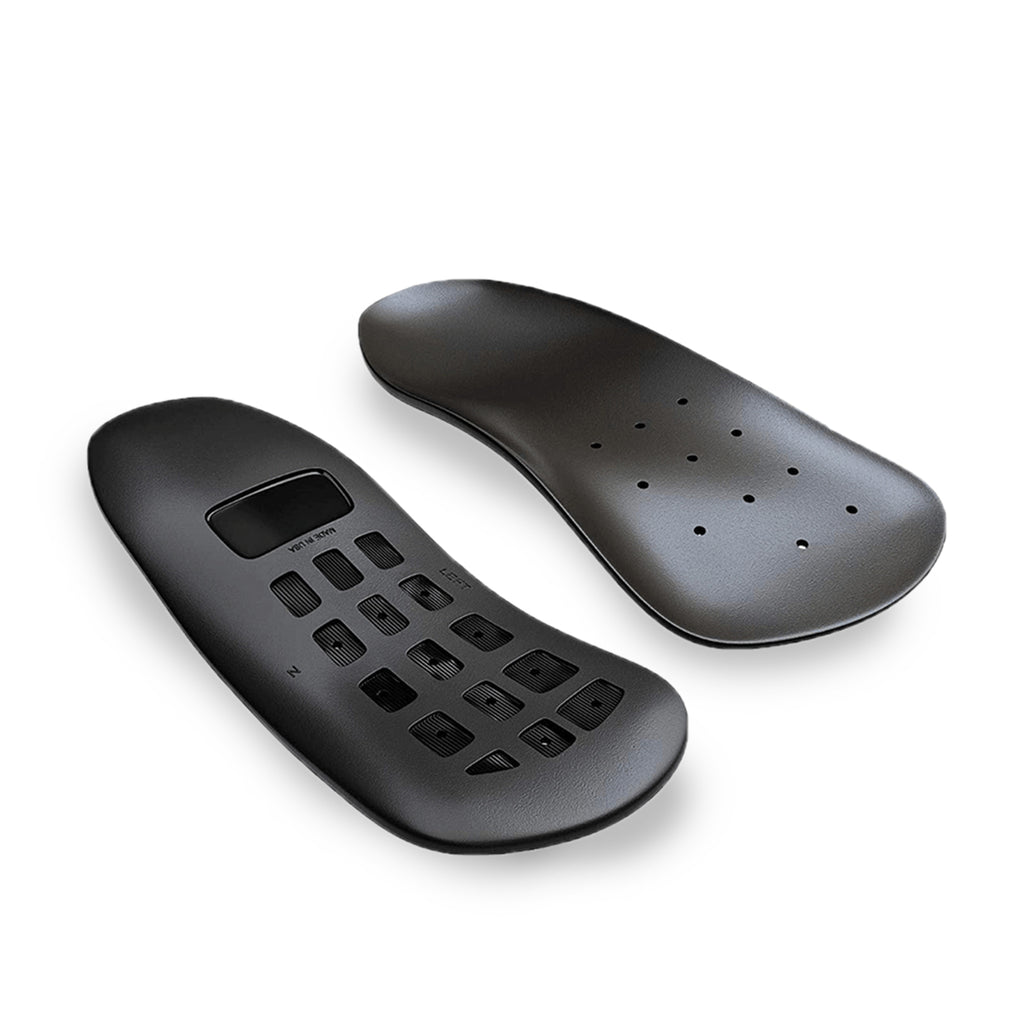
Slim Orthotic Stabilizer | Insoles Designed for Medium to Low, Flat Arches
Intermediate Orthotic Stabilizer | Insoles Designed for Medium to High Arches
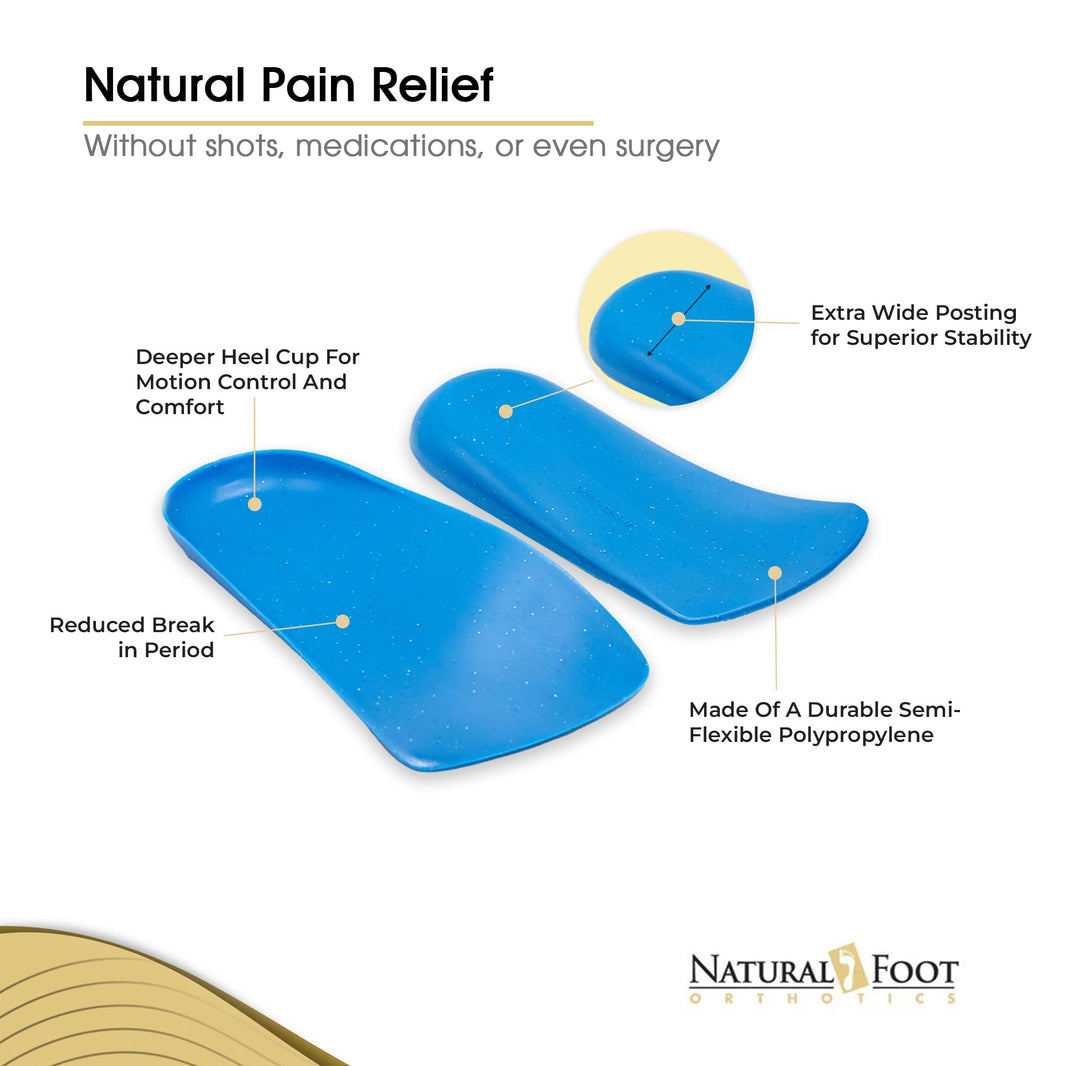
Cloud Rx Firm Orthotic | Insoles Designed for All-Day Comfort
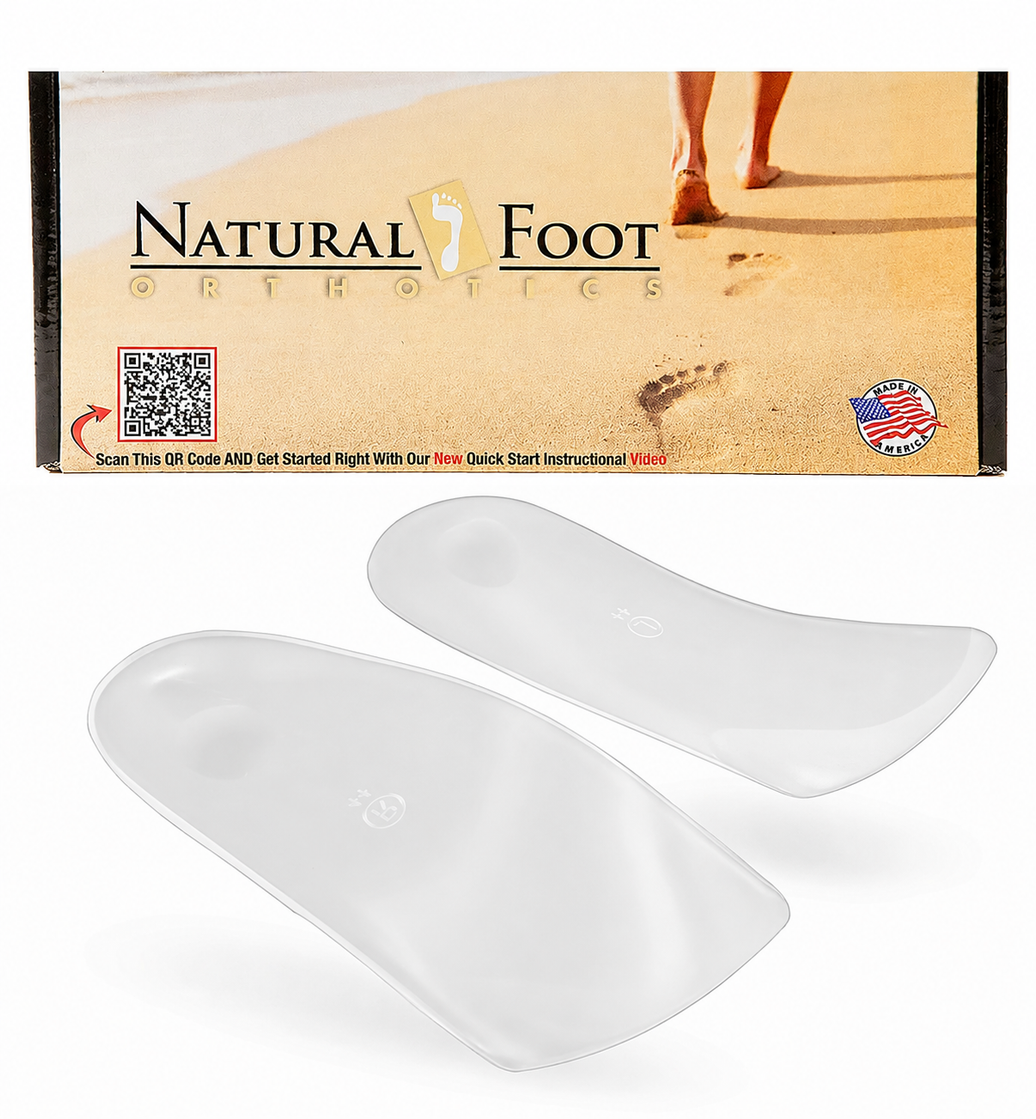

Cloud Comfort - Comfortable & Supportive Foot Relaxing Insoles
Original Orthotic Stabilizer | Insoles Designed for High Arches
Cloud Rx Firm Orthotic | Insoles Designed for All-Day Comfort
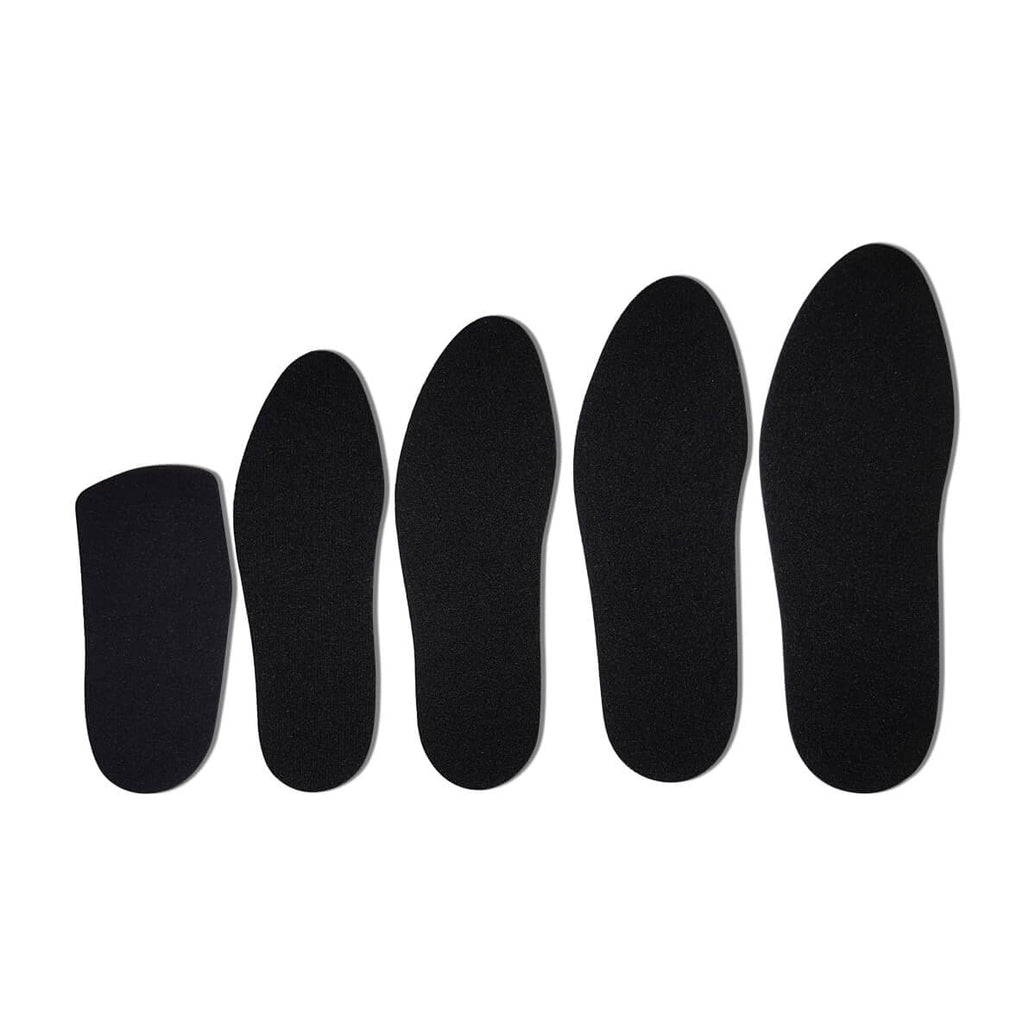
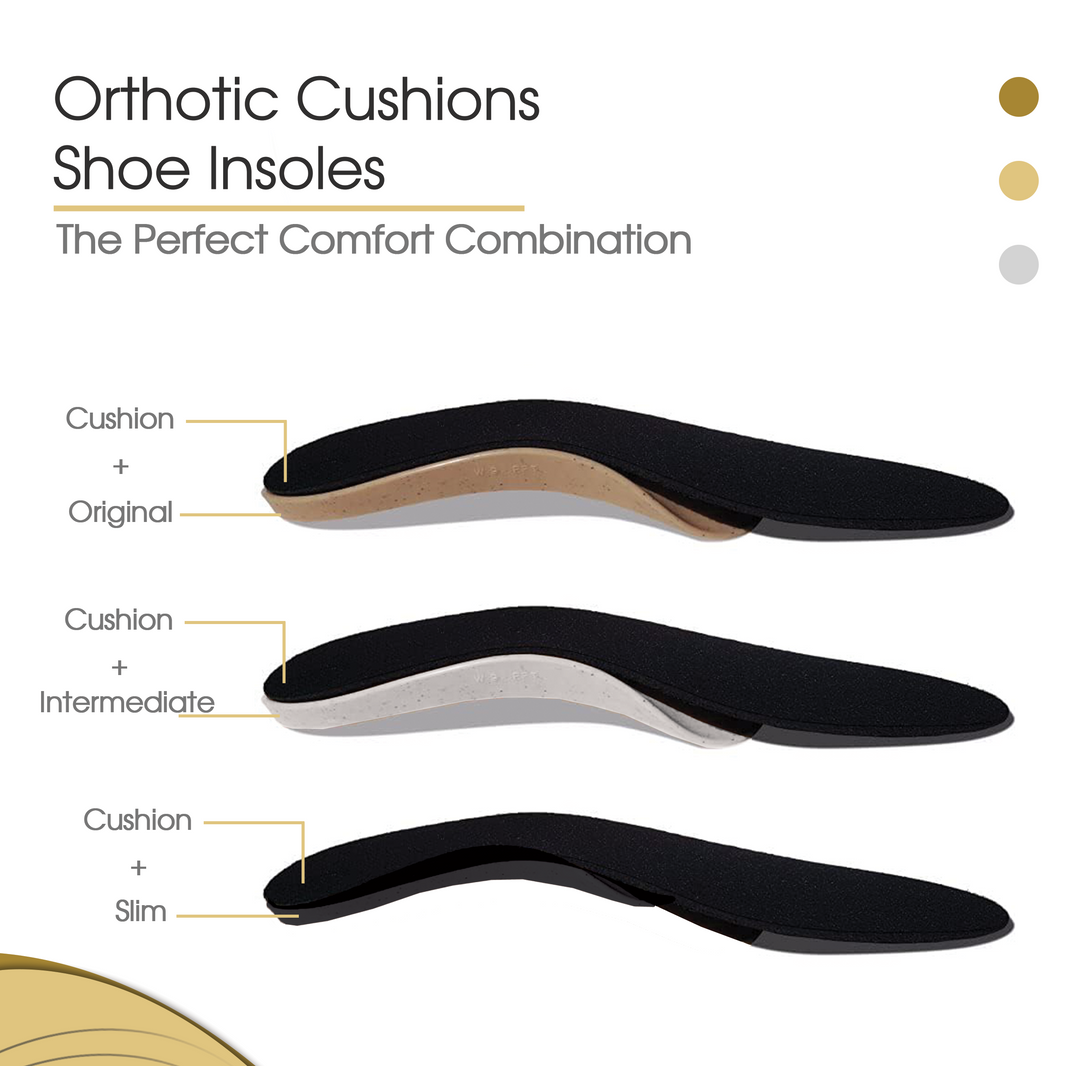
Natural Foot Orthotic Cushions | A Great Compliment to Our Orthotics
Intermediate Orthotic Stabilizer | Insoles Designed for Medium to High Arches
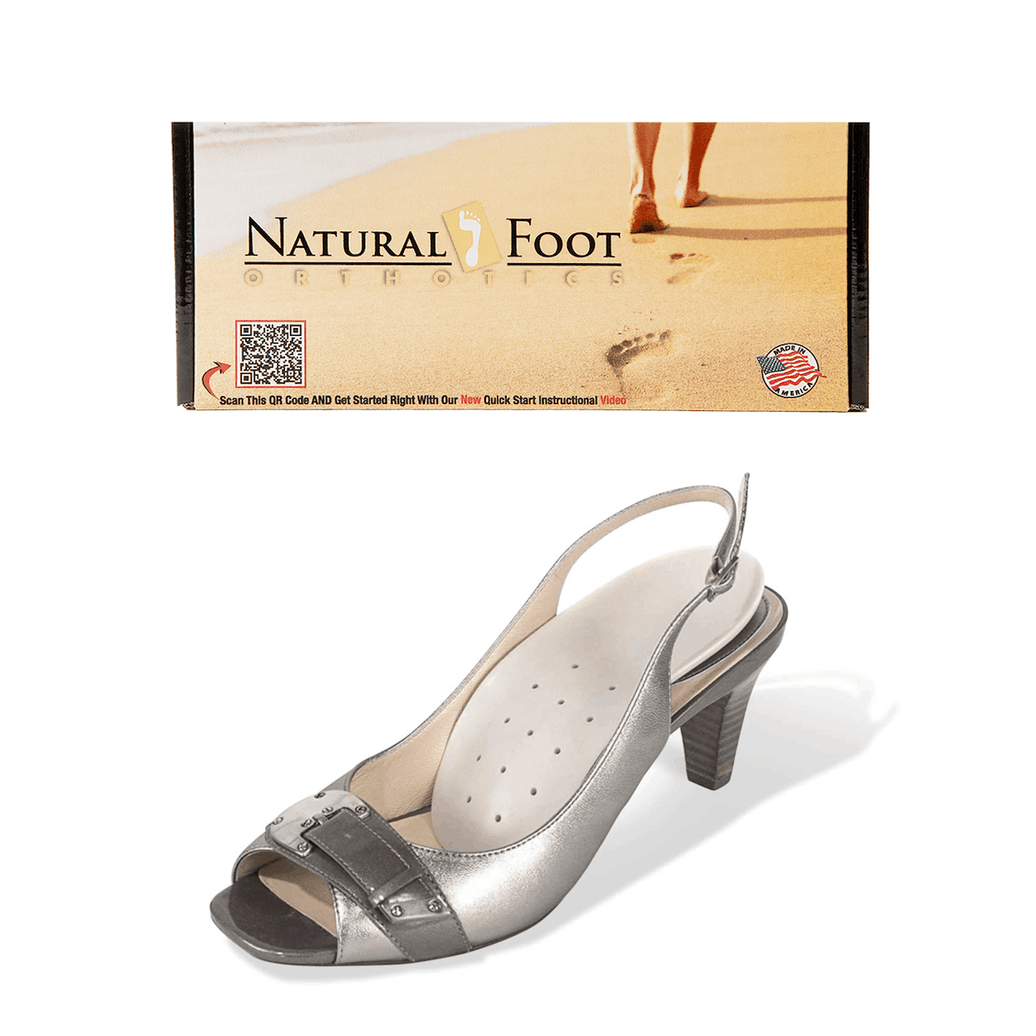
Fashion Orthotic Stabilizers | Designed For Heels and Dress Shoes
Slim Orthotic Stabilizer | Insoles Designed for Medium to Low, Flat Arches
Cloud Comfort - Comfortable & Supportive Foot Relaxing Insoles

FAQ
Most frequent questions by athletes.
Do athletes really need orthotics?
Yes, many athletes can benefit from orthotics because sports place repeated stress on the feet, arches, heels, ankles, knees, hips, and lower back. Natural Foot Orthotics help support the arches and stabilize the foot, giving athletes a stronger foundation for running, jumping, lifting, cutting, walking, and recovering after training.
How do orthotics help with athletic performance?
Orthotics do not make you faster or stronger by themselves, but they can help support the foundation your body relies on for movement. By helping improve arch support, foot stability, and natural alignment, athletic orthotics may help reduce everyday strain and make movement feel more comfortable during training, sports, and active routines.
Can I wear Natural Foot Orthotics in running shoes or training shoes?
Yes. Natural Foot Orthotics are designed with a 3/4-length fit, making them easier to place inside many athletic shoes without crowding the toes. They can be worn in running shoes, gym shoes, walking shoes, court shoes, and many everyday sneakers.
Should I wear orthotics only during workouts?
Not necessarily. Wearing orthotics after training can also help keep your arches supported during recovery and everyday movement. Many athletes use orthotics during workouts, practices, long active days, and post-training routines to help their feet stay comfortable and supported.
What foot problems can athletic orthotics help support?
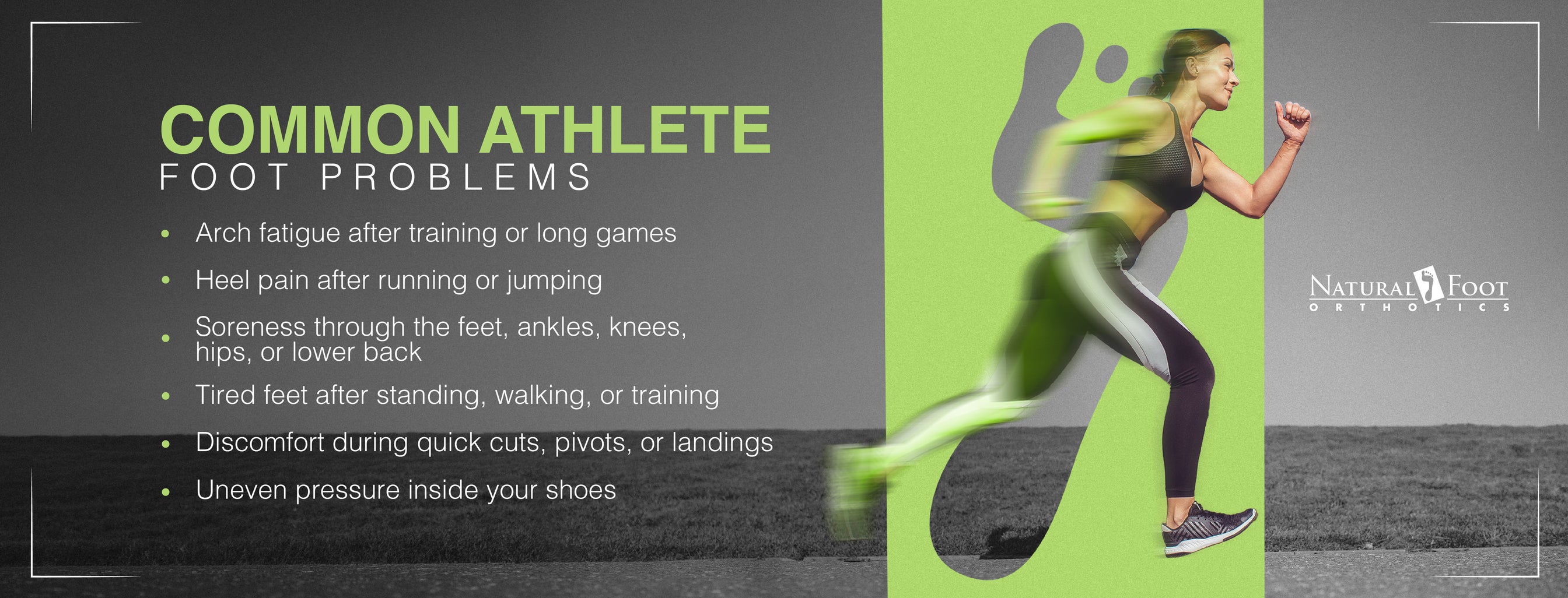
Athletic orthotics may help support feet dealing with arch fatigue, heel discomfort, flat feet, high arches, overpronation, foot tiredness, and everyday strain from high-impact activity. They may also help reduce stress that can travel up through the ankles, knees, hips, and lower back by supporting better foot alignment from the ground up.