

Support Your Feet Through Every Shift
The longer you stand or walk at work, the more stress builds up in your feet. With every step, your arches, heels, joints, and muscles absorb pressure from your body weight and the hard surfaces beneath you. Over time, that repeated impact can lead to fatigue, soreness, inflammation, and discomfort that may travel into your knees, hips, or back. Proper foot support helps reduce strain, improve alignment, and keep you more comfortable through long shifts.
What Changes
After hours of standing or walking, your feet absorb repeated pressure that can leave your heels, arches, and joints feeling sore.
The small muscles in your feet work all day to keep you balanced, and over time they can become tired, tight, and less supportive.
As your feet get tired, your posture and walking pattern can change, which may add extra strain to your knees, hips, and lower back.
- Stabilizers
- Cloud Collection
- Fashion
- Premium Orthotic Cushions
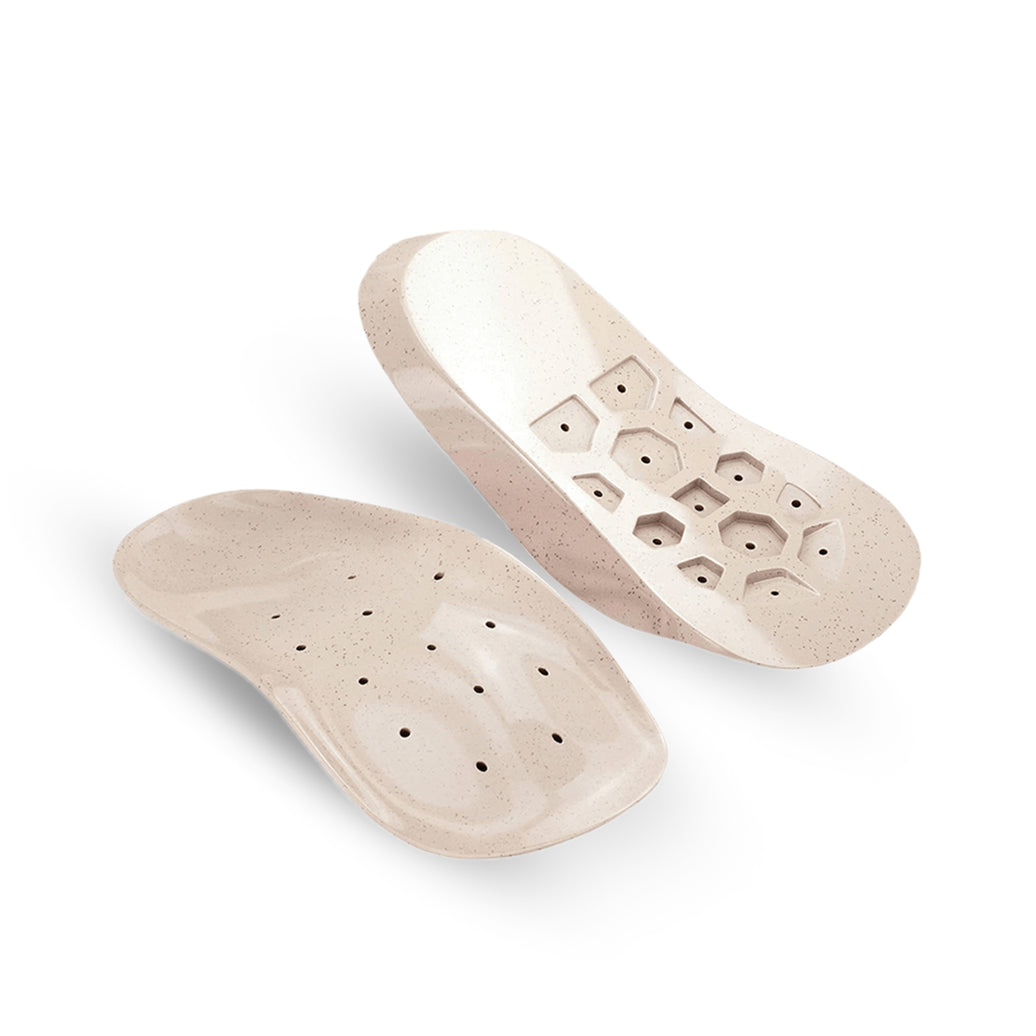
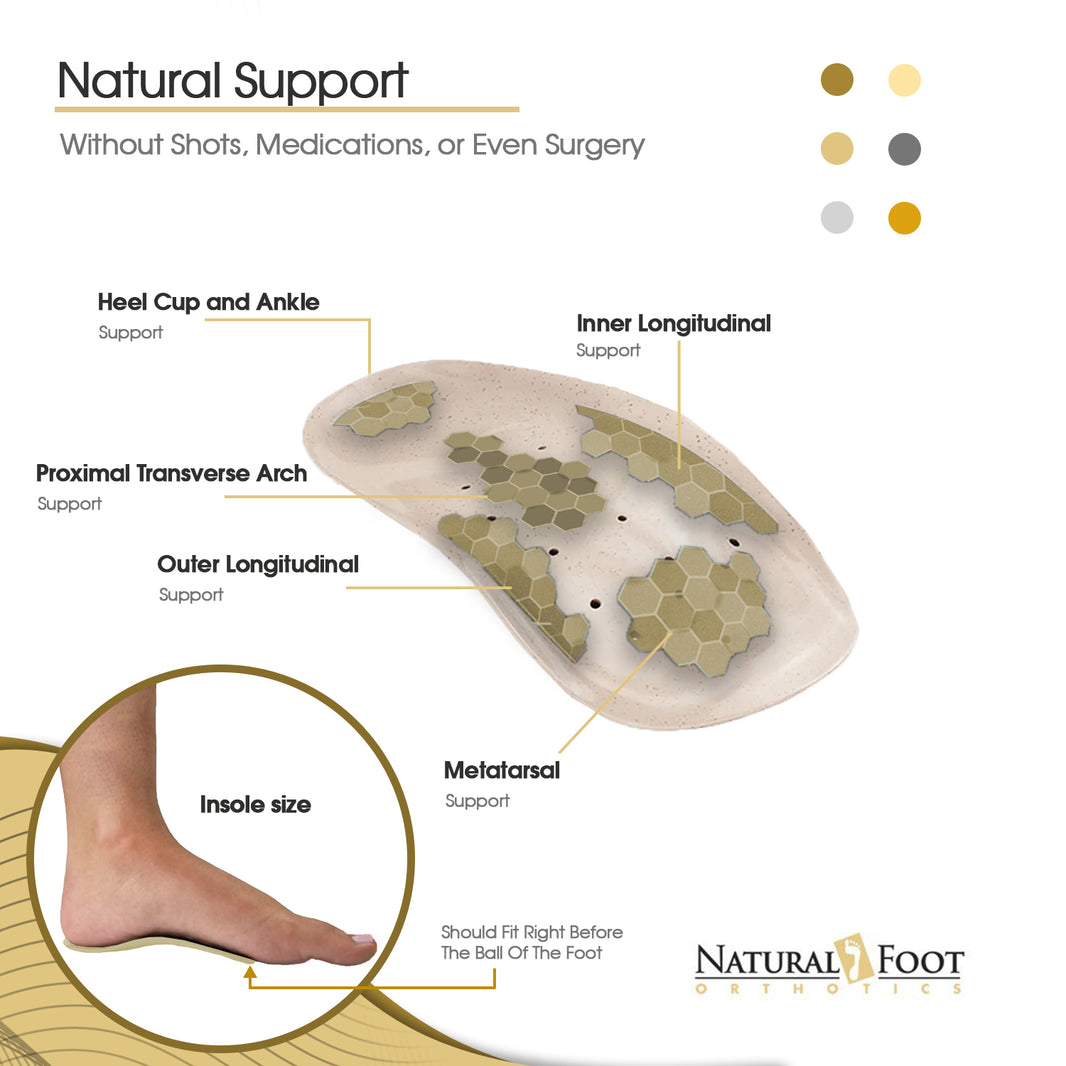
Original Orthotic Stabilizer | Insoles Designed for High Arches
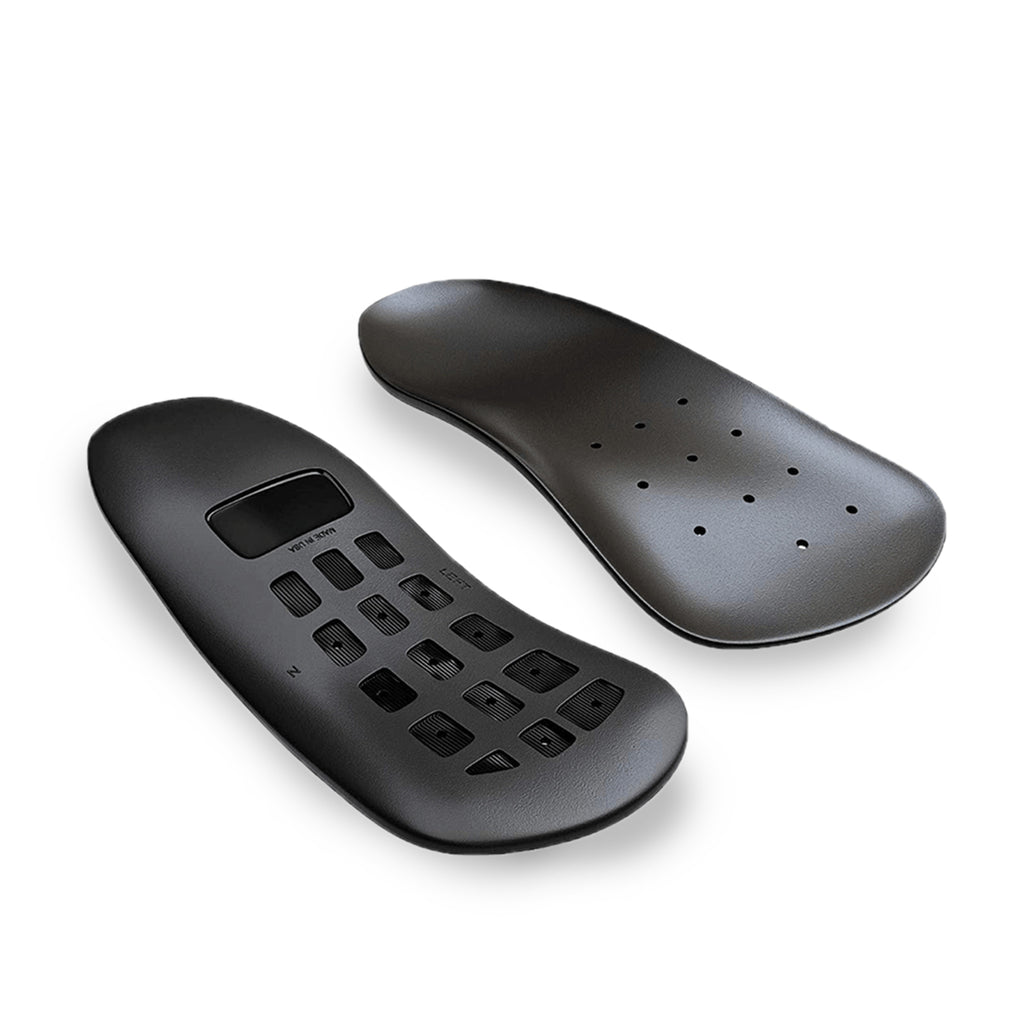
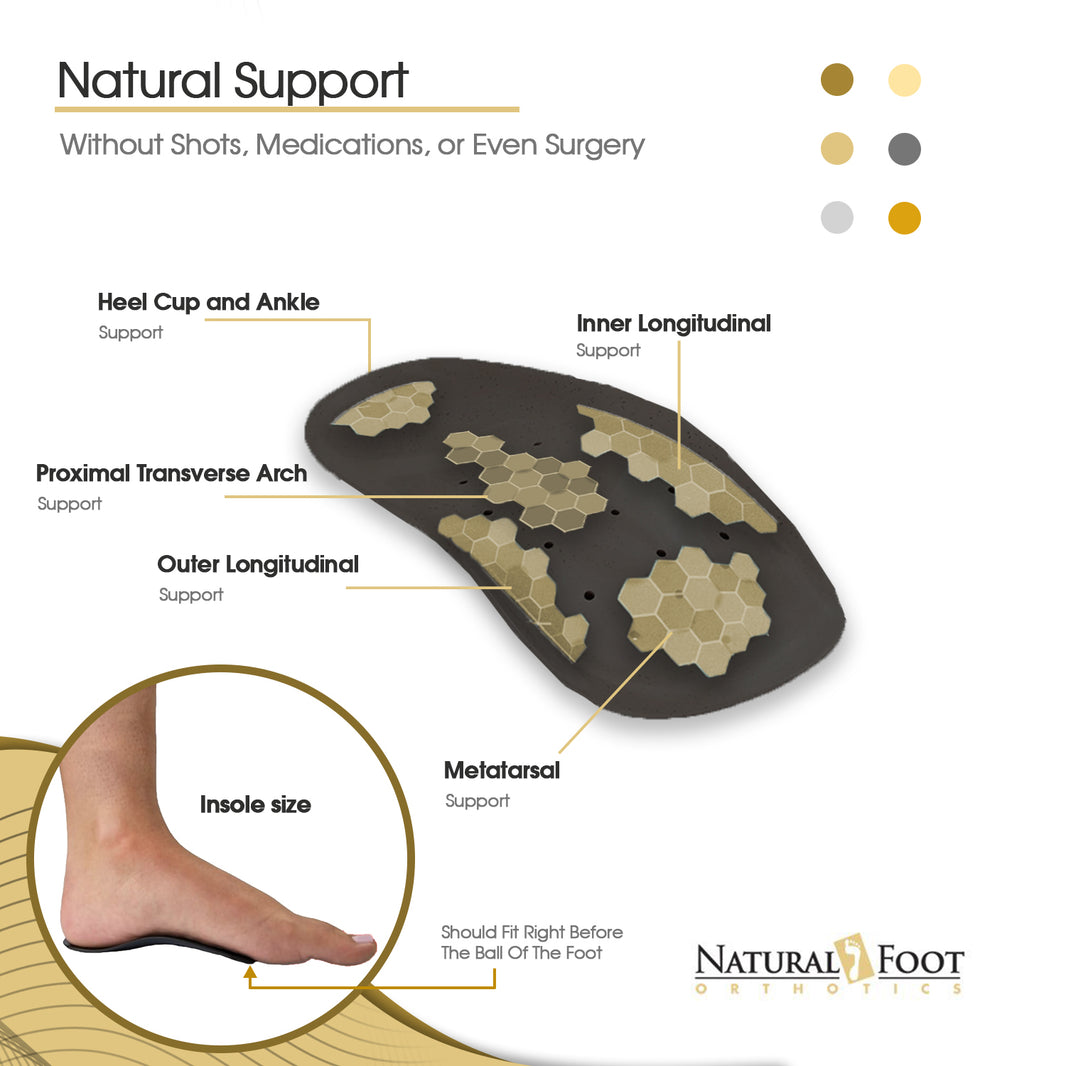
Slim Orthotic Stabilizer | Insoles Designed for Medium to Low, Flat Arches
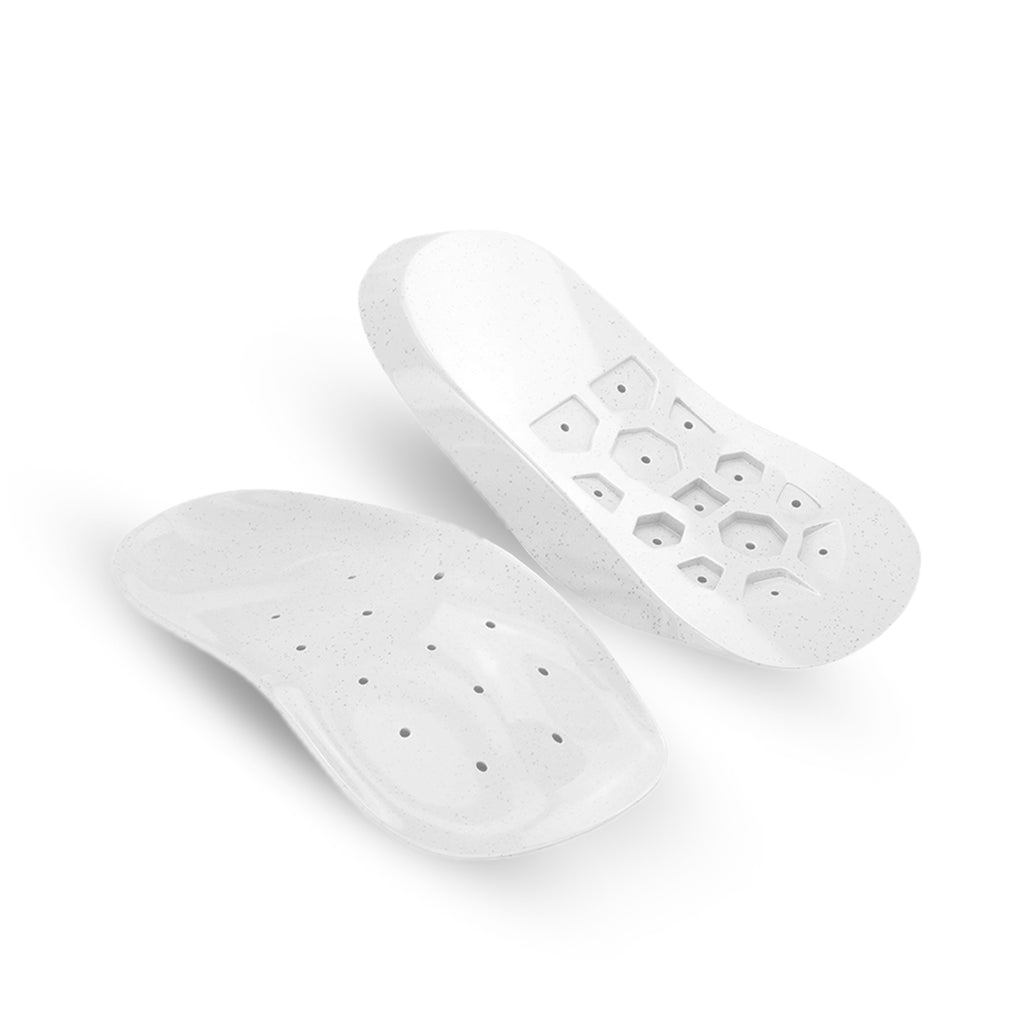
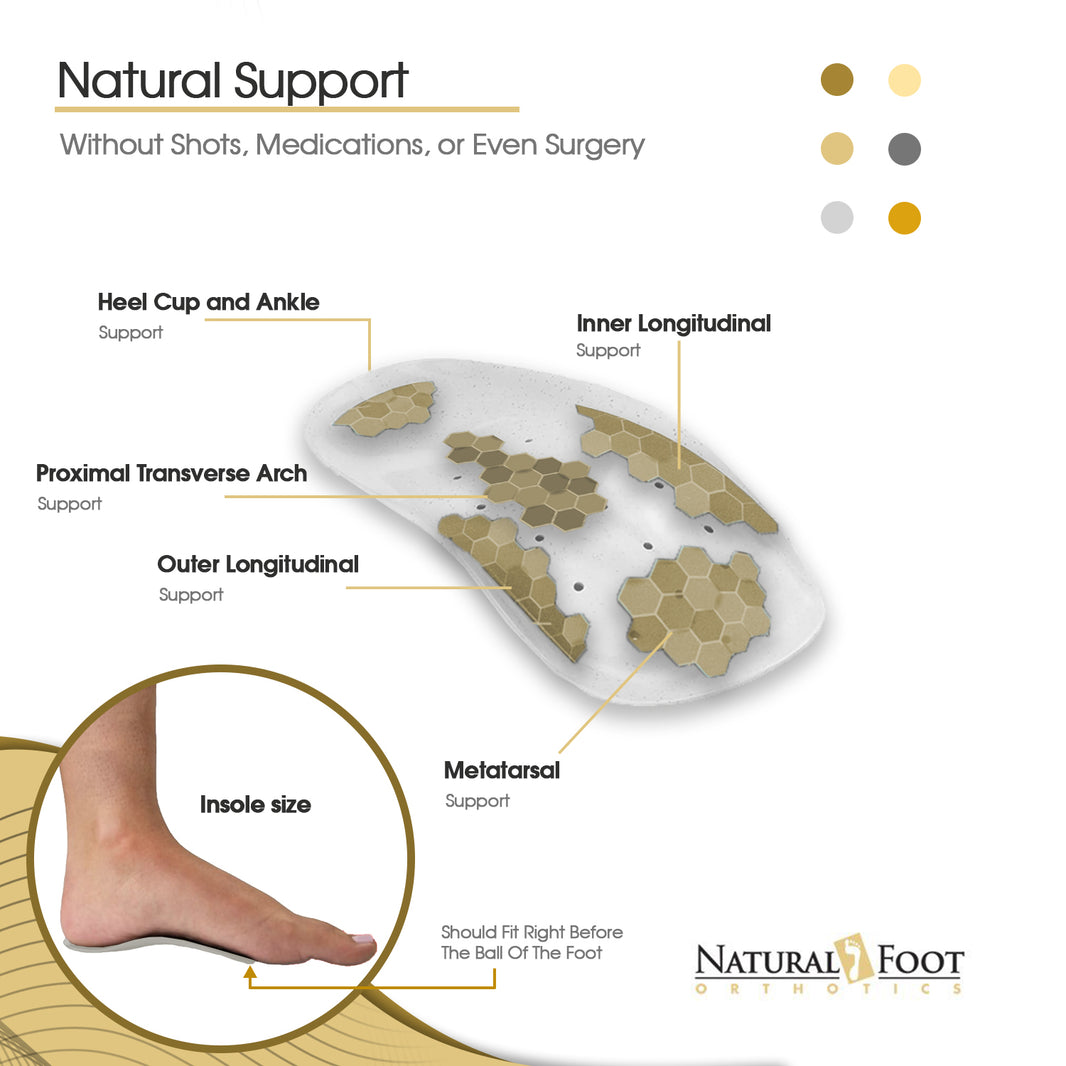
Intermediate Orthotic Stabilizer | Insoles Designed for Medium to High Arches
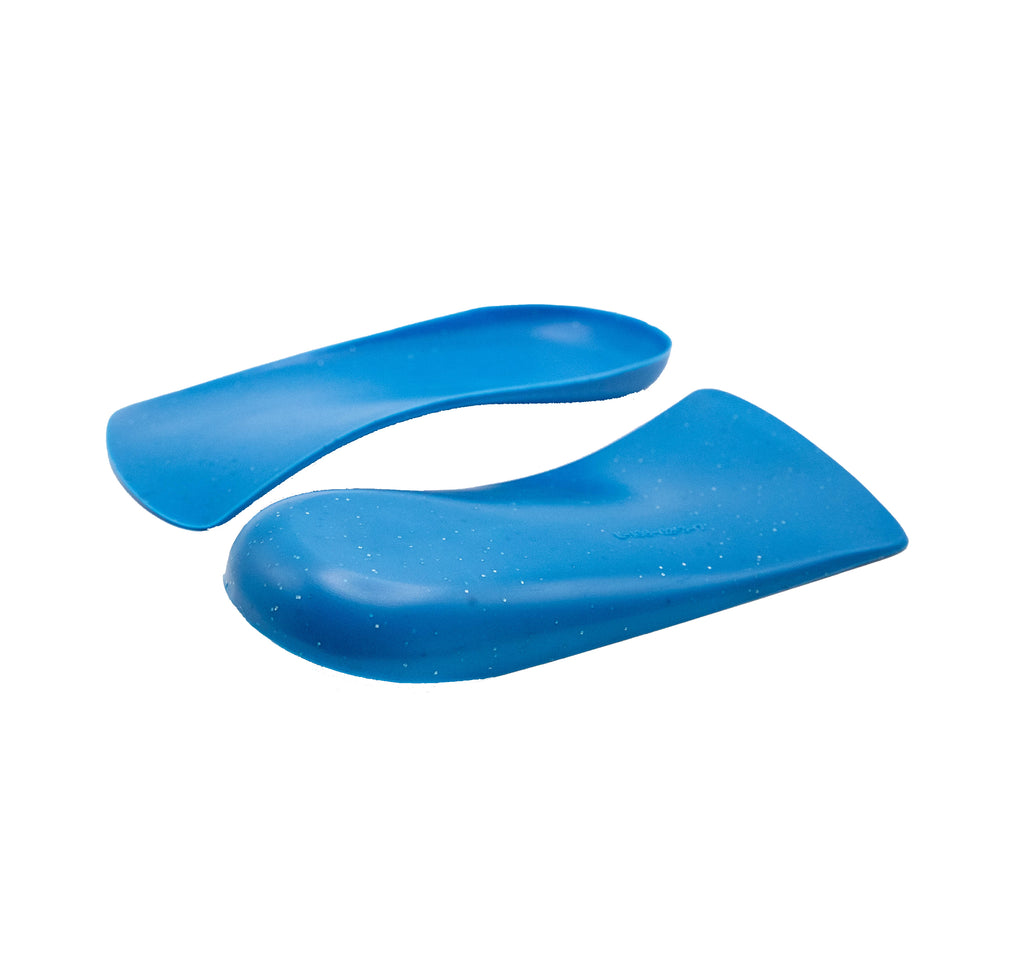
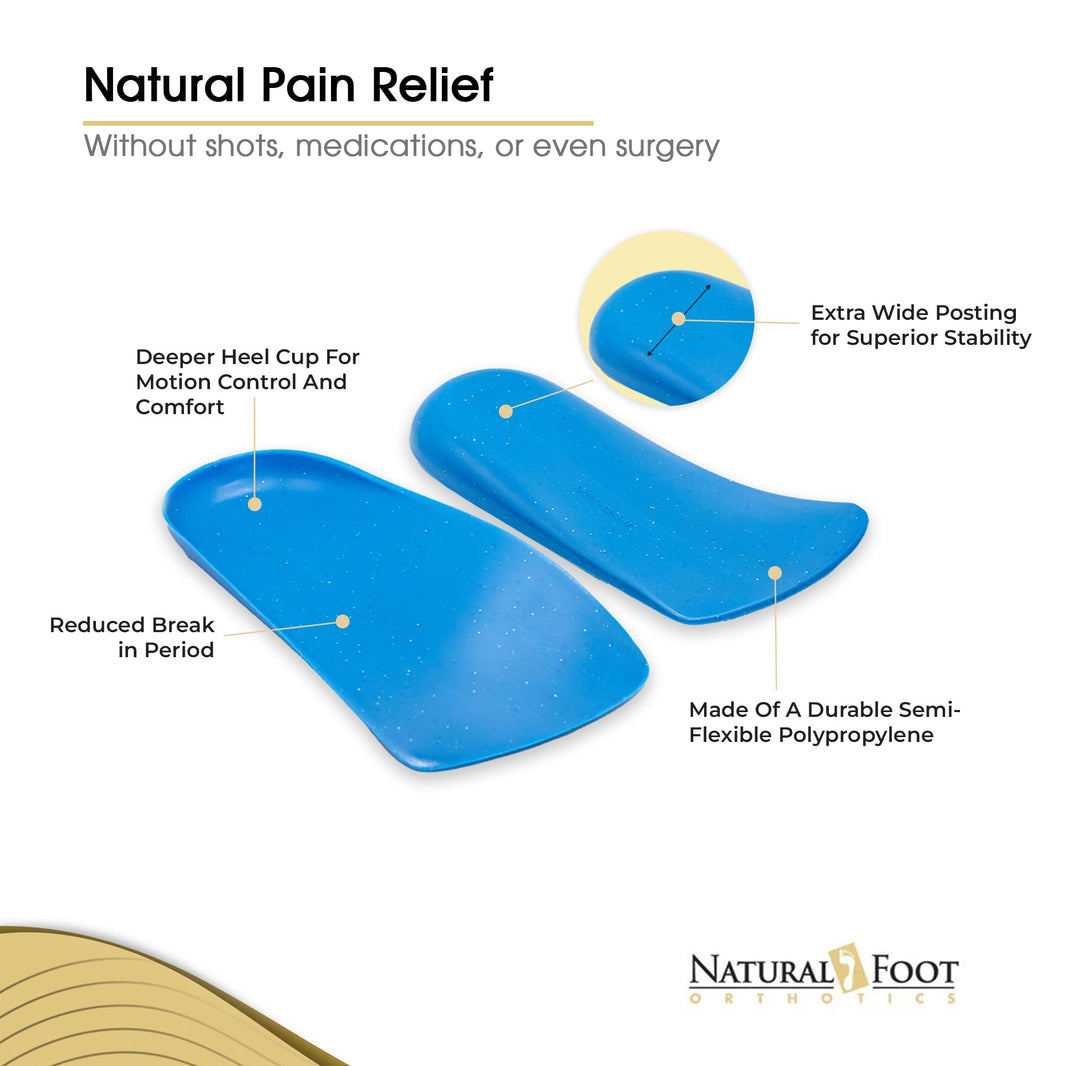
Cloud Rx Firm Orthotic | Insoles Designed for All-Day Comfort

Cloud Comfort - Comfortable & Supportive Foot Relaxing Insoles
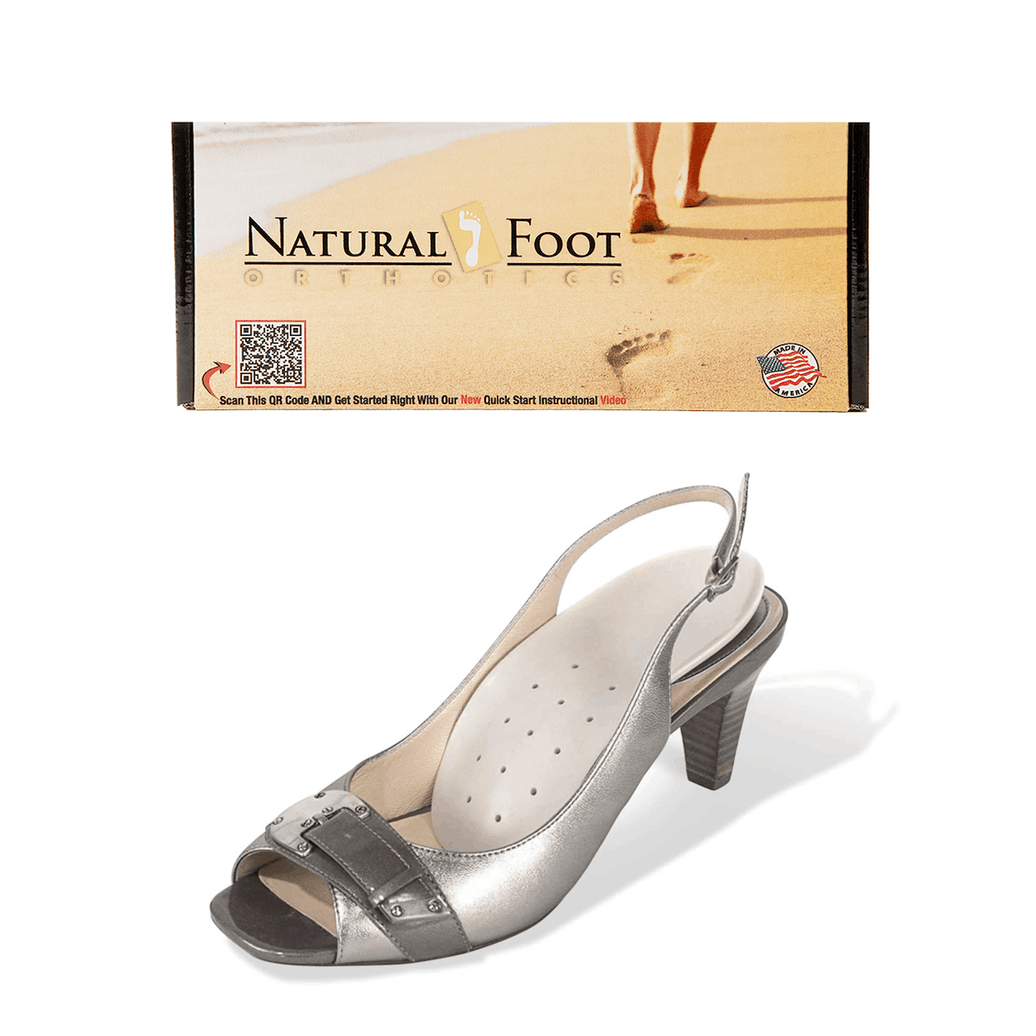
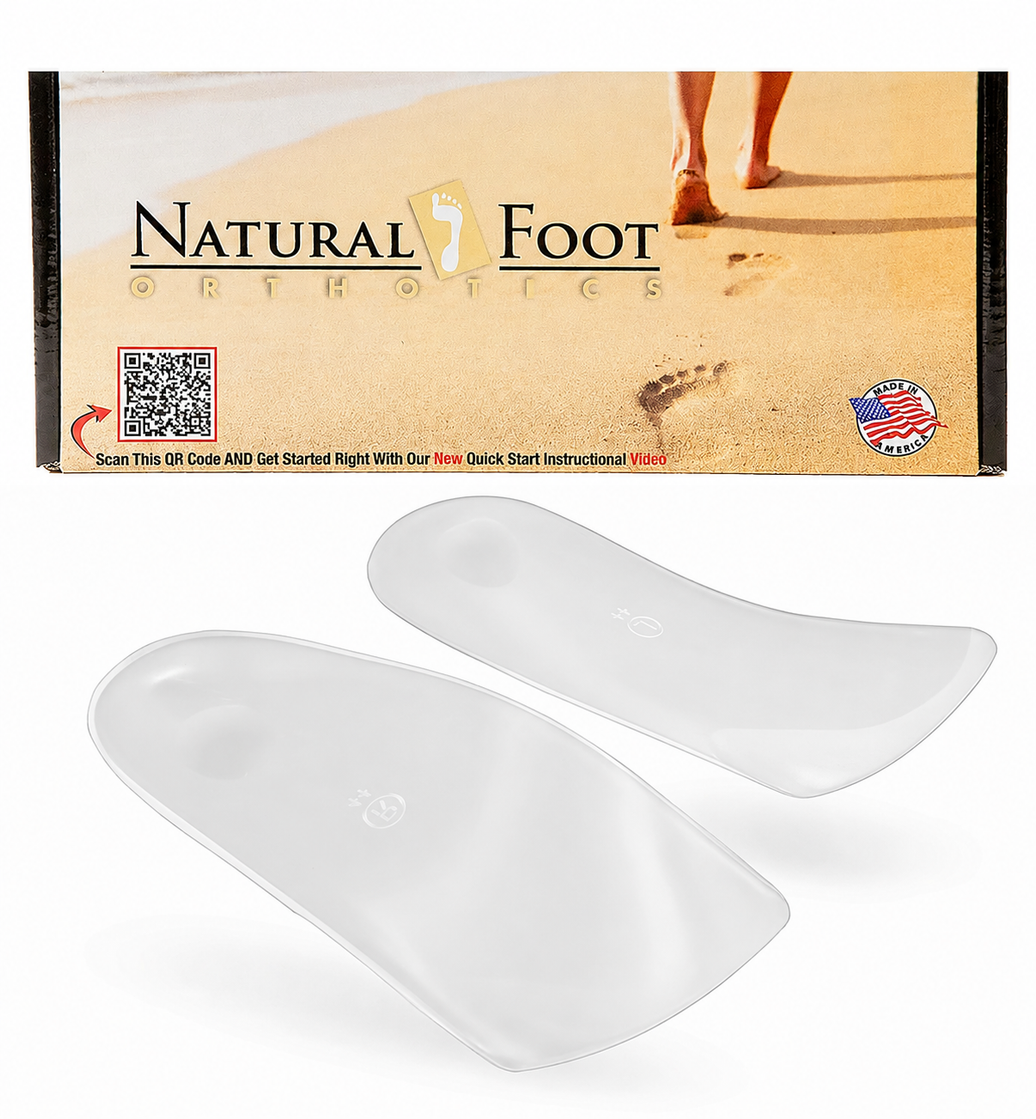
Fashion Orthotic Stabilizers | Designed For Heels and Dress Shoes
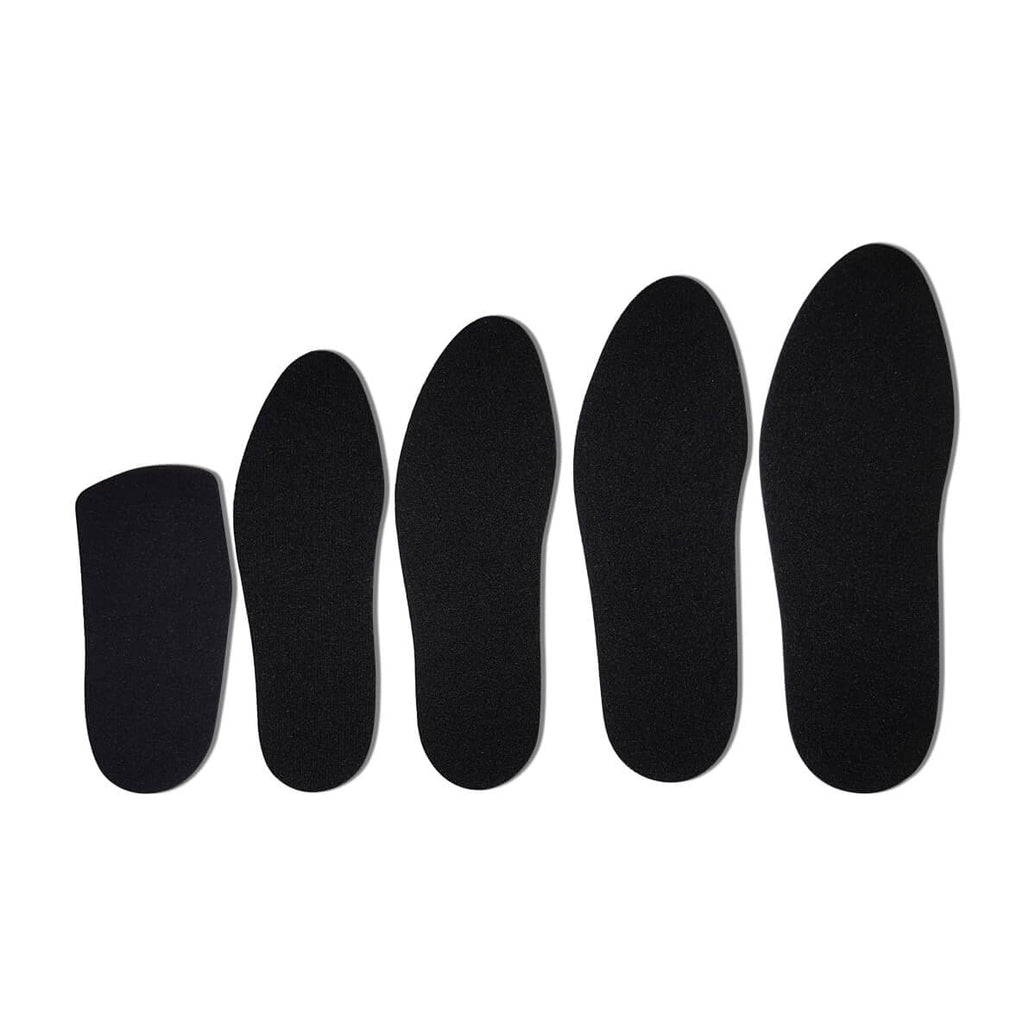
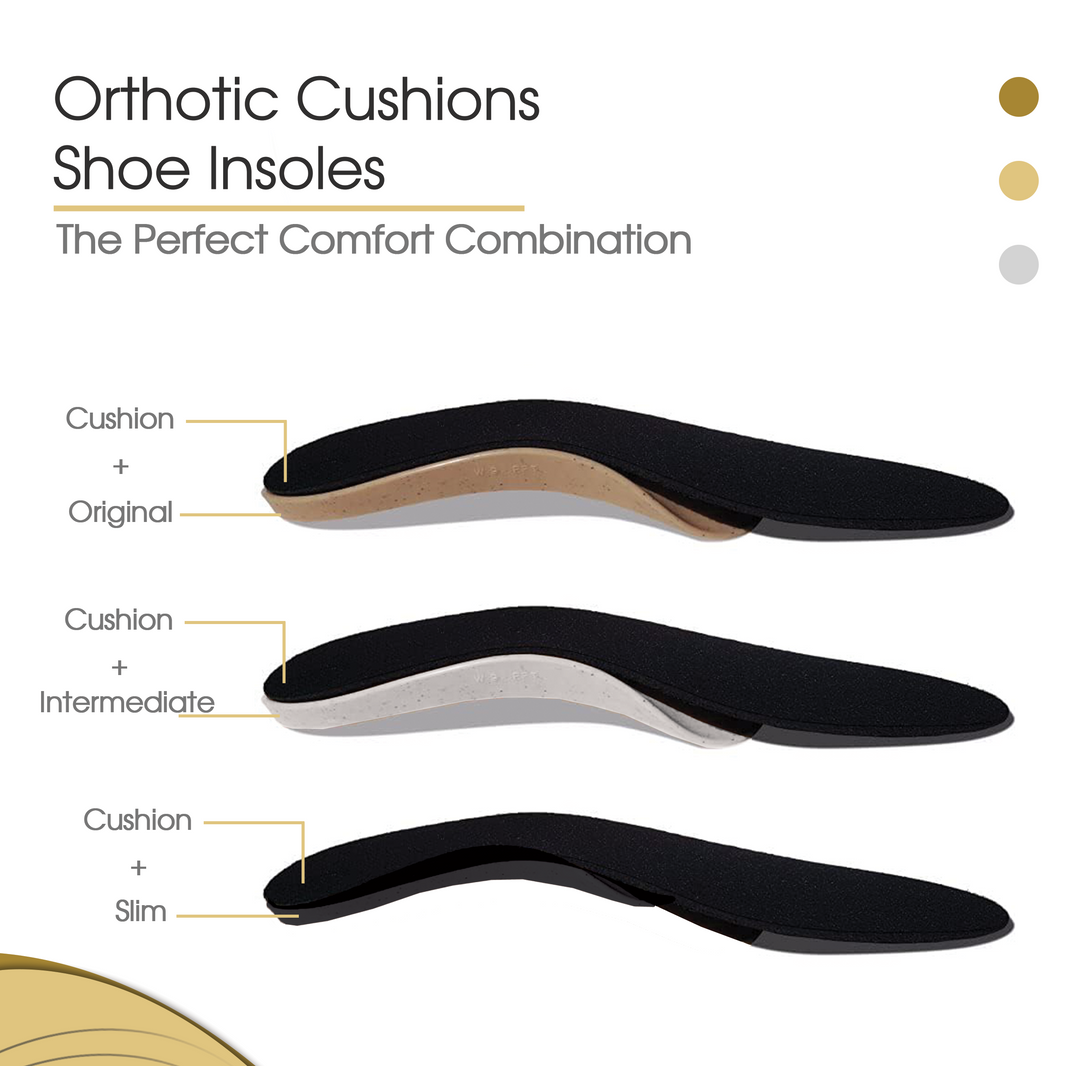
Natural Foot Orthotic Cushions | A Great Compliment to Our Orthotics
Common Foot Problems Workers Who Stand All Day May Notice
- Heel pain or soreness after long shifts
- Tired, aching arches from repeated pressure
- Swelling in the feet or ankles
- Burning or throbbing discomfort by the end of the day
- Pain that travels into the knees, hips, or lower back
- Tender spots, calluses, or pressure points from standing and walking all day

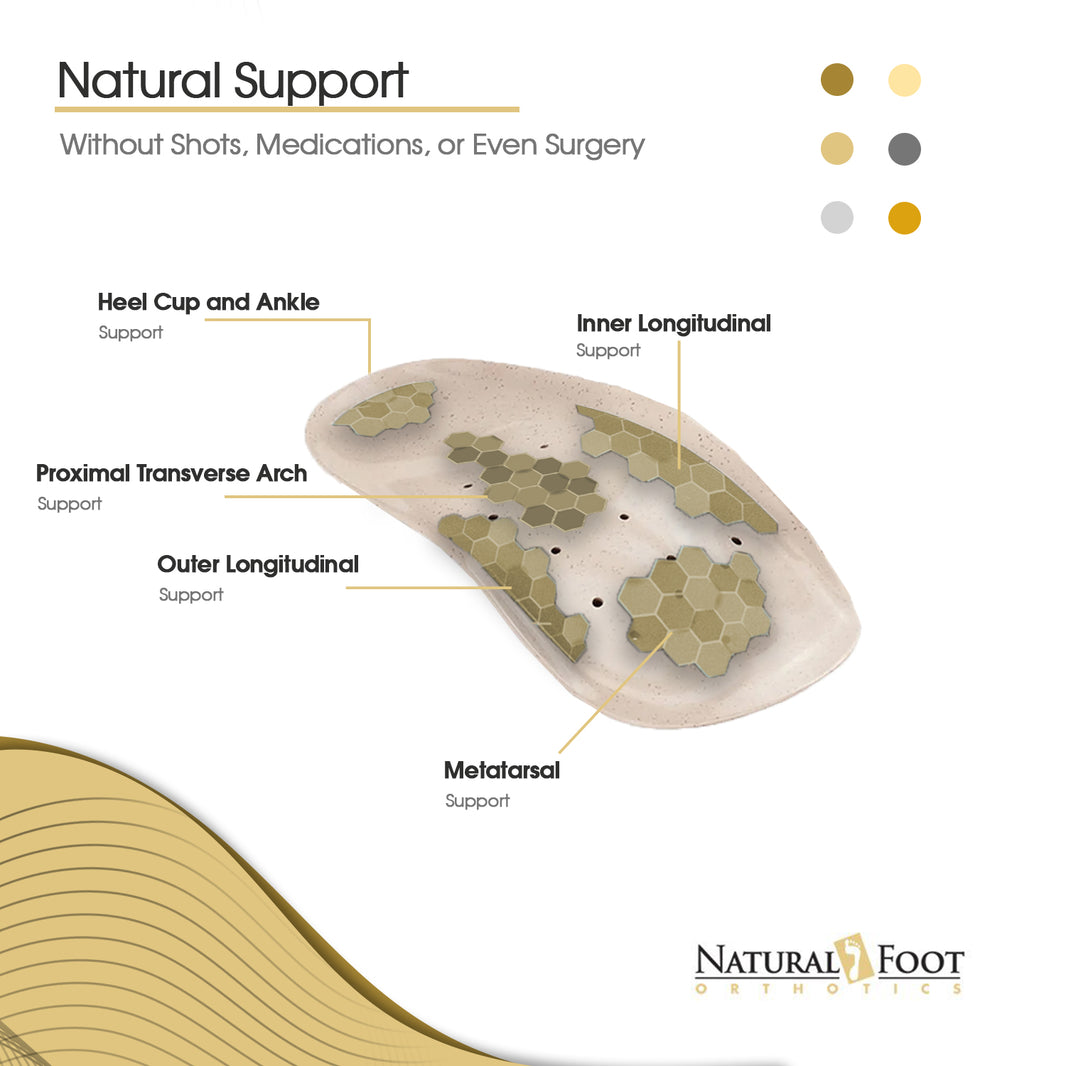
How Natural Foot Orthotics Support You
Learn how our orthotics help you throughout your shift.
You May Need More Foot Support If…
- Your feet feel sore or tired before your shift is over
- You notice heel, arch, or ball-of-foot pain after standing all day
- Your knees, hips, or lower back ache after long hours on your feet
- Your shoes feel comfortable at first but stop supporting you later in the day
- You feel more pressure on one side of your foot than the other
- Your feet, ankles, or legs feel fatigued by the end of your workday
- You stand or walk on hard surfaces like concrete, tile, or warehouse floors
- You find yourself shifting your weight often to relieve discomfort
How To Start Safely
Step 1: Wear Them For Short Periods
Start with a few hours per day.
Step 2: Let Your Feet Adapt
Your feet may need time to get used to new support.
Step 3: Increase Wear Time Gradually
Use them more as they begin to feel natural.
Step 4: Contact Us If You Need Help
We can help guide you toward the right fit.
Break-In Period Page
Visit the site where we breakdown each break-in for each Stabilizers HERE
Simple Foot Care Tips For Long Shifts
- Check your feet regularly
- Wear supportive shoes
- Avoid walking barefoot on hard floors
- Keep toenails trimmed safely
- Stretch feet and ankles gently
- Replace worn-out shoes
- Talk to a doctor if pain persists
- Be extra careful if you have diabetes or circulation issues
- Stay hydrated, since dehydration can contribute to muscle tightness and fatigue
- Take short sitting breaks when possible to reduce pressure on your feet and legs
- Stretch your calves, arches, and ankles before, during, or after your shift
FAQs
FAQs tailored for workers on their feet all day.
Why do my feet hurt after standing all day?
Your feet absorb pressure with every step and every hour you stand. Over time, that repeated stress can lead to soreness, fatigue, swelling, and discomfort in your heels, arches, or the balls of your feet.
Is it normal for my legs or back to hurt after a long shift?
Yes, it can happen. When your feet get tired, your posture and walking pattern may change, which can place extra strain on your knees, hips, and lower back.
What can I do during work to reduce foot pain?
Take short sitting breaks when possible, stretch your calves and arches, shift your weight throughout the day, wear supportive shoes, and use anti-fatigue mats if you stand in one place for long periods.
When should I replace my work shoes?
You may need new work shoes if the cushioning feels flat, the soles are worn unevenly, your feet feel tired earlier than usual, or your shoes no longer feel supportive by the end of the day.
What shoes should I wear with orthotics?
Use supportive shoes with enough room, stable soles, and a secure fit. For best result use high-quality shoes.