


Cheap foam inserts flatten within months and need replacing several times a year. A structural orthotic that holds its shape for years usually costs less over the same period — and delivers support the cheap version stopped providing long ago.
Most budget inserts are soft foam, gel, or fabric built for cushioning rather than support. They feel good in the store, and that feeling is temporary.
It's a material problem, not a manufacturing defect. The air cells inside EVA foam lose air under repeated load and compress permanently, which is why foam cushioning fades after months of regular wear. Softer foam devices also tend to collapse under the arch over time, losing whatever pronation control or arch support they started with.
The replacement cycle is where the money goes.
What Do Orthotics Actually Cost Per Year?
Run the arithmetic on a five-year window:
-
Budget inserts: three pairs a year at $40 = $120 annually, or roughly $600 over five years —and support quality drops between each replacement.
-
Premium structural orthotics: one pair, possibly two if you're hard on them, across the same five years.
-
Even at a higher upfront price, the annual cost lands lower. And the support stays consistent instead of degrading on a rolling basis.
Two things worth factoring in:
-
FSA and HSA eligibility. Natural Foot Orthotics insoles qualify, which reduces the effective cost using pre-tax dollars.
-
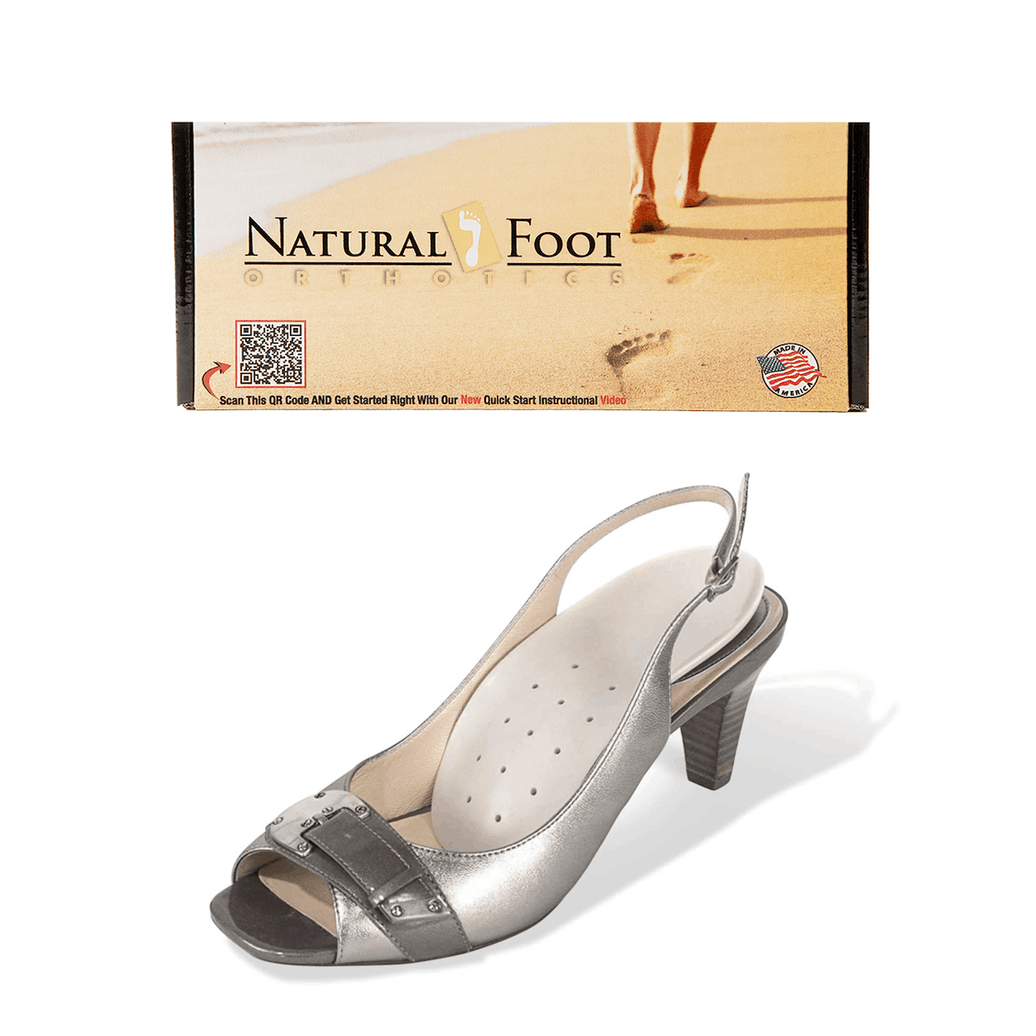
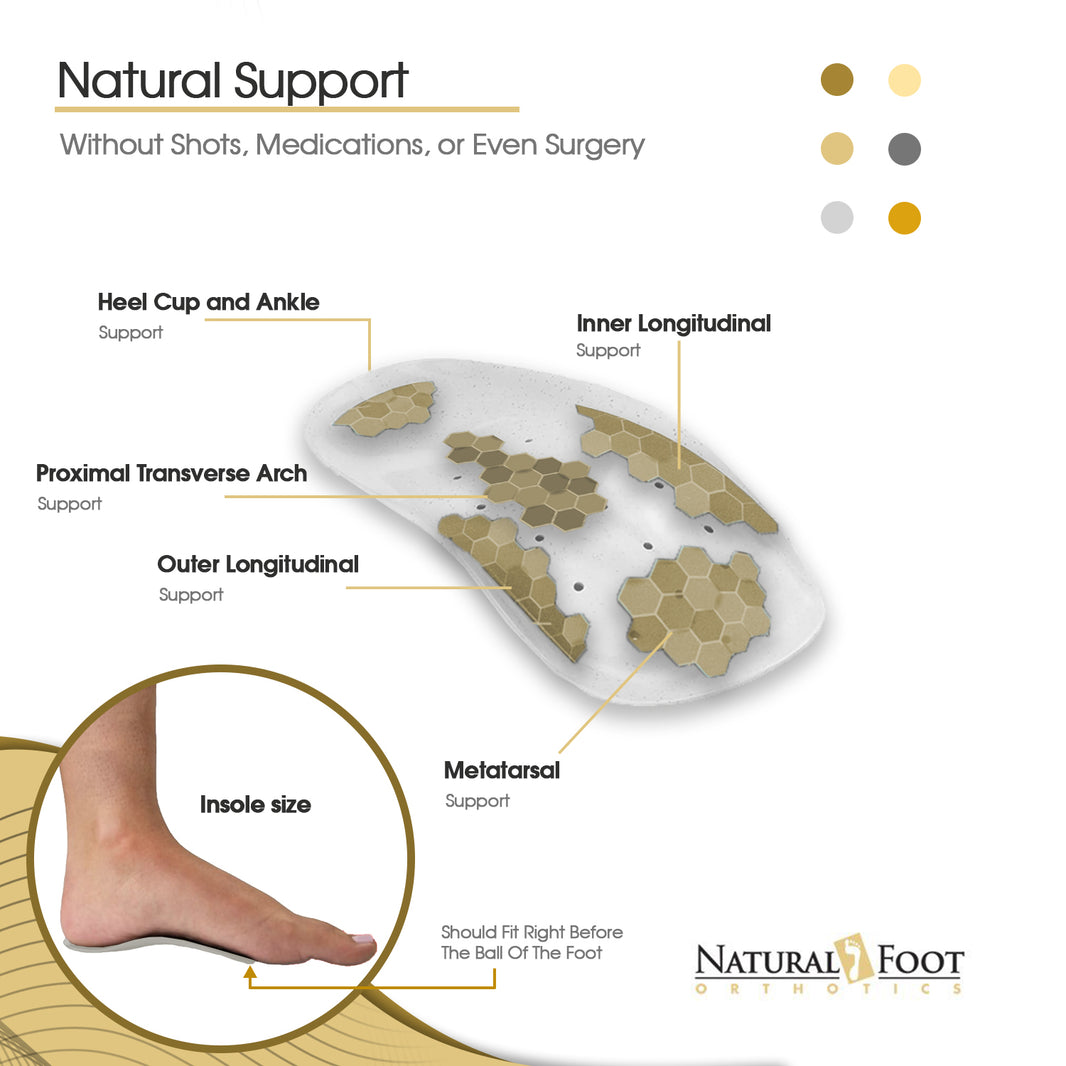
Versatility. A 3/4-length orthotic transfers between athletic shoes, work boots, and dress shoes. Full-length inserts often need a pair per shoe, multiplying the cost.
Does Quality Mean Buying Once and Never Again?
No — and any brand promising that is overselling. Supportive materials compress gradually, and a device can look intact while its structure has degraded. Research on prefabricated orthoses worn a year or more found small but measurable losses in pressure redistribution versus new pairs.
Plan to reassess every two to five years, and replace sooner if pain returns or the arch no longer holds its contour. The value argument isn't "buy once, forever." It's a replacement cycle measured in years instead of months.
What Else Counts as Value?
-
Consistent support instead of gradual decline
-
Fewer replacement purchases to track
-
One pair that works across most of your footwear
-
Materials that hold their shape under daily load
Why Natural Foot Orthotics?
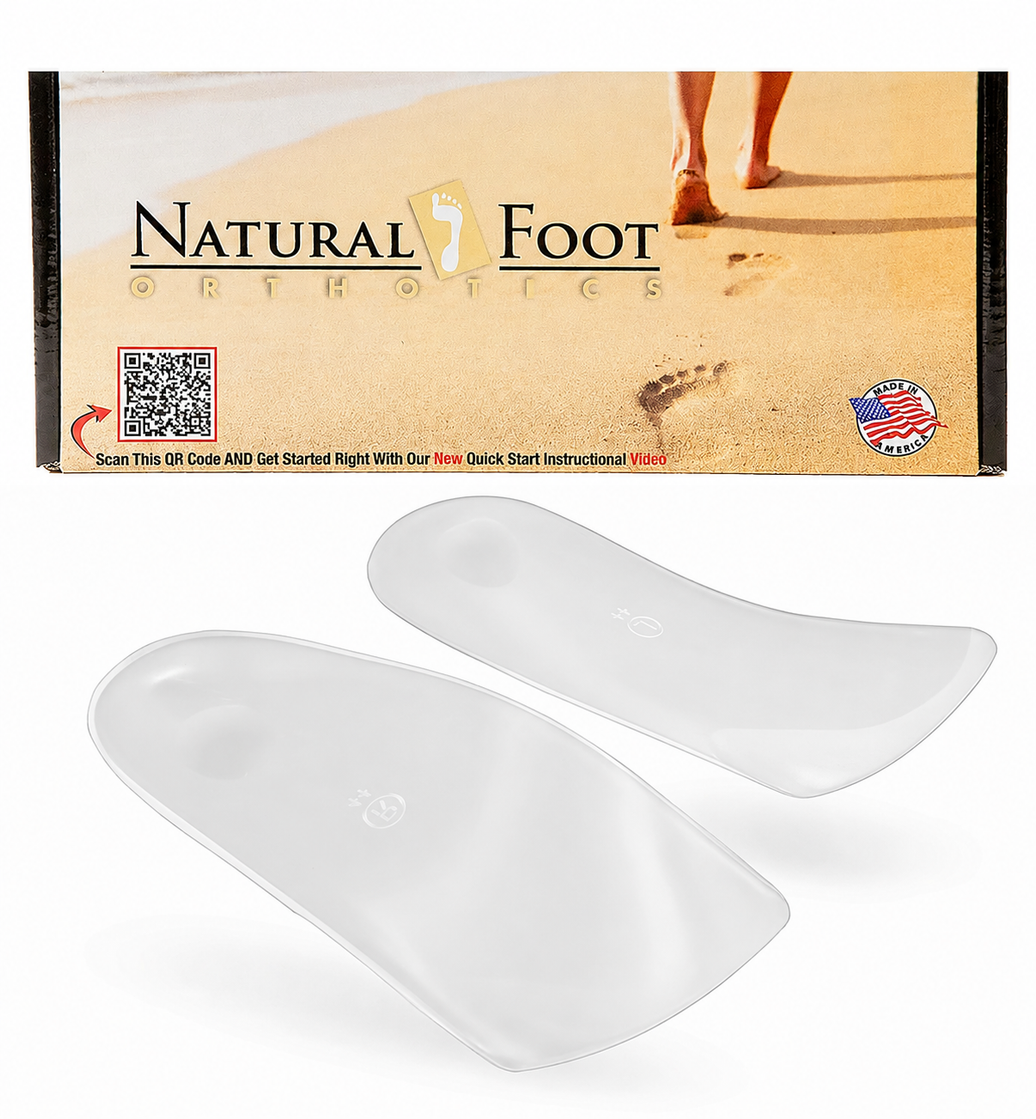
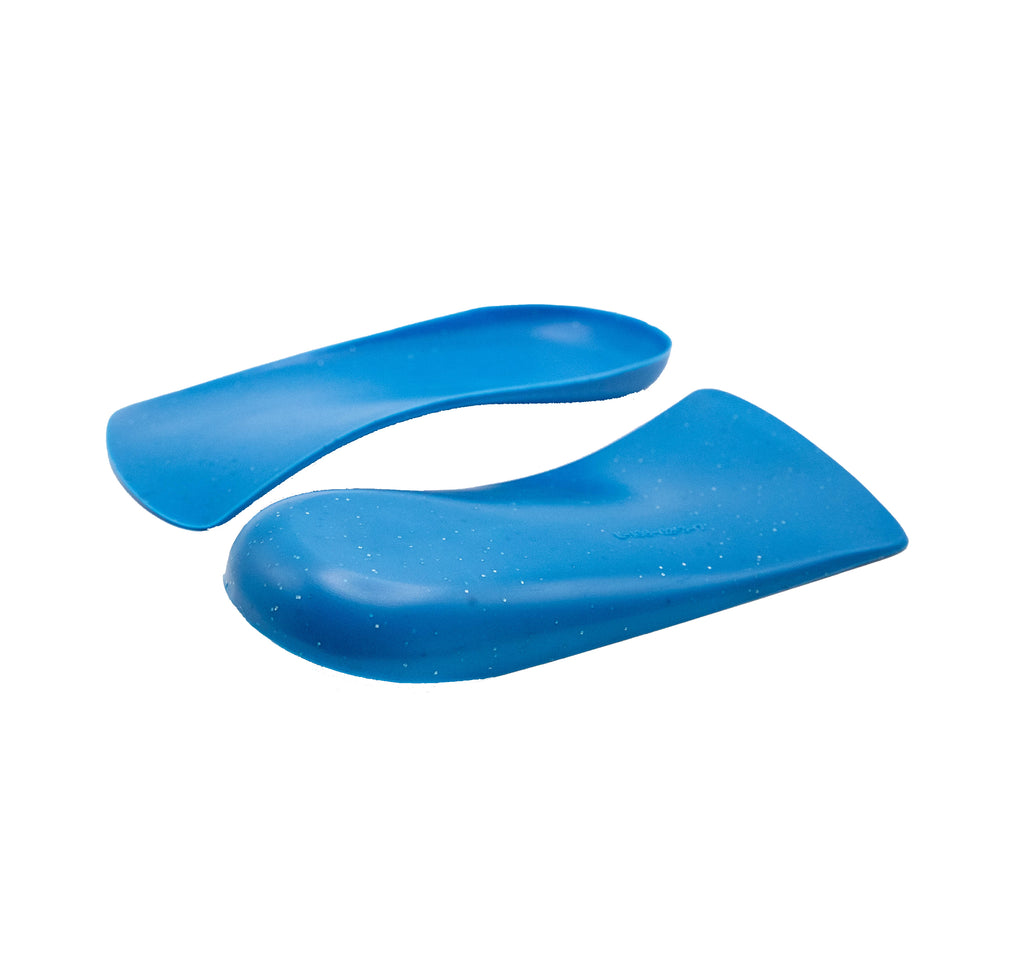
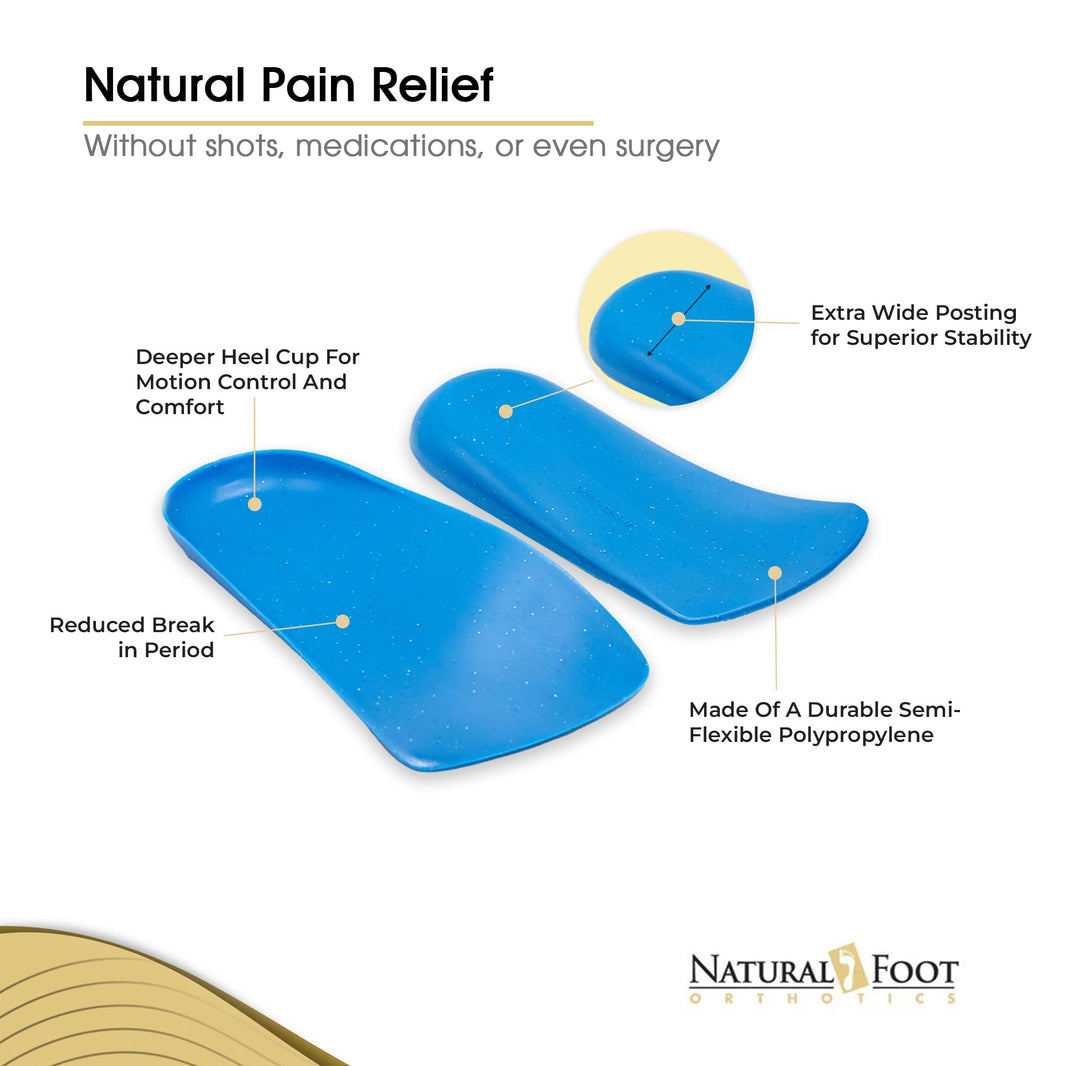
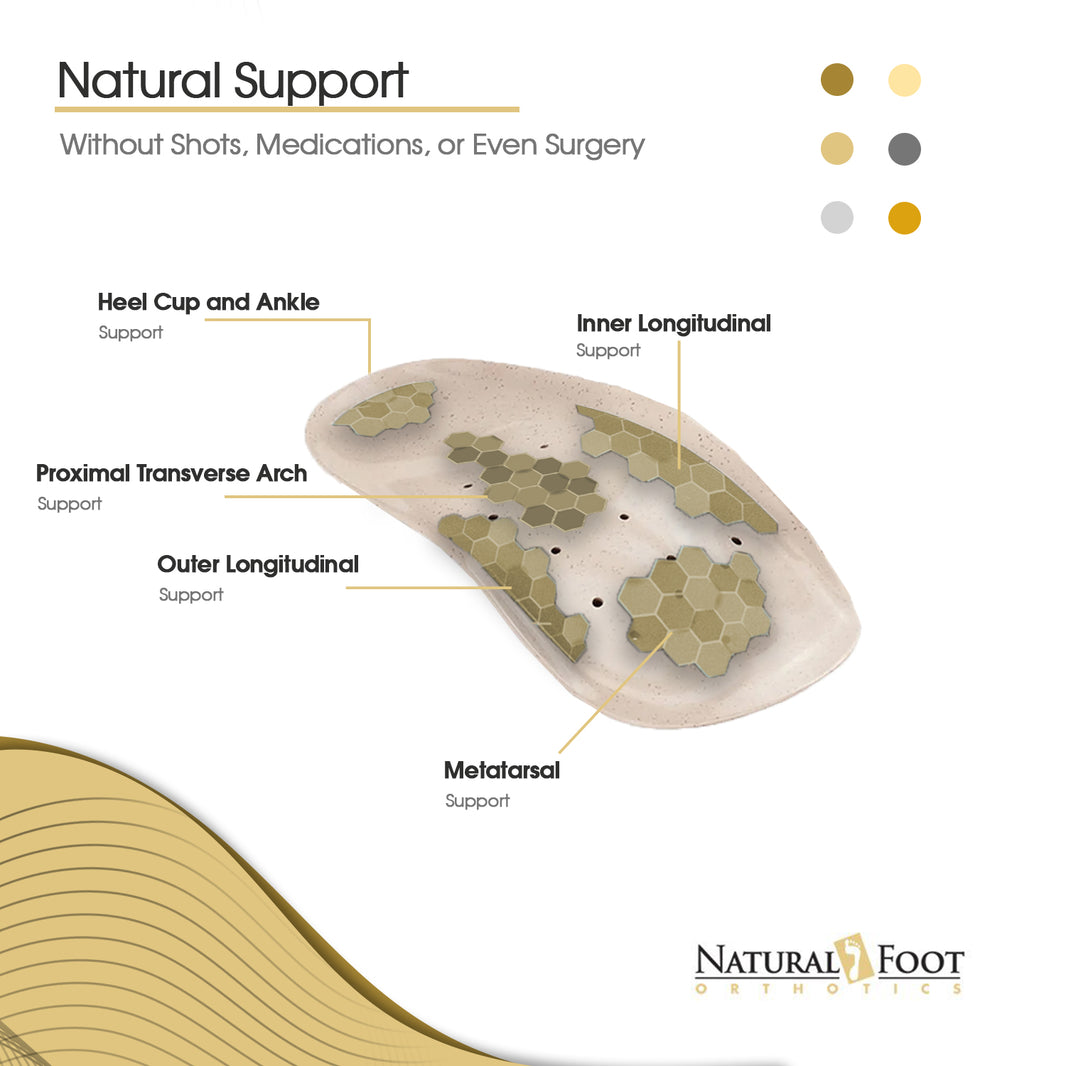
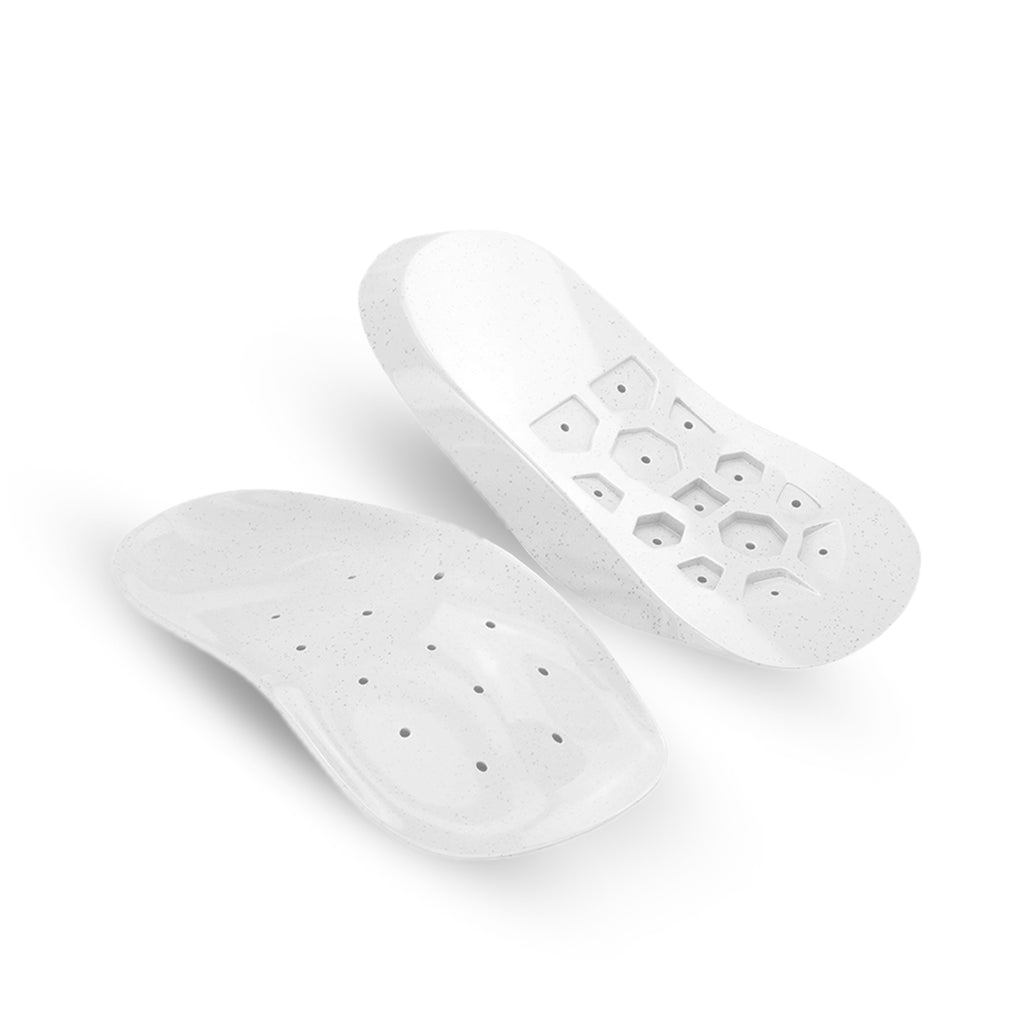
Natural Foot Orthotics has been designing arch supports since 1997 — nearly three decades. The stabilizers are podiatrist-designed, manufactured in the USA from semi-rigid polypropylene, and backed by a lifetime warranty covering breakage and cracking.
In Conclusion
Your feet carry you through every day of your life. The right question isn't what an orthotic costs today — it's what it costs per year of dependable support. Measured that way, quality is usually the cheaper option.
---------------------------------------------------
Sources
Ideastep. What Is EVA Midsole? — on air-cell compression and loss of cushioning in EVA foam over months of use.
Forward Motion Medical. Orthotic Shell Materials. — on EVA collapse over time versus thermoplastic shells. fdmotion.com
KevinRoot Medical. Materials: Polypropylene. — on polypropylene's strength, shape retention, and typical service life. kevinrootmedical.com
Nester CJ, et al. Evaluation of the pressure-redistributing properties of prefabricated foot orthoses in older people after at least 12 months of wear. Gait & Posture. 2011. PubMed
Natural Foot Orthotics. About Us — company founded 1997. naturalfootorthotics.com
Leave a comment